
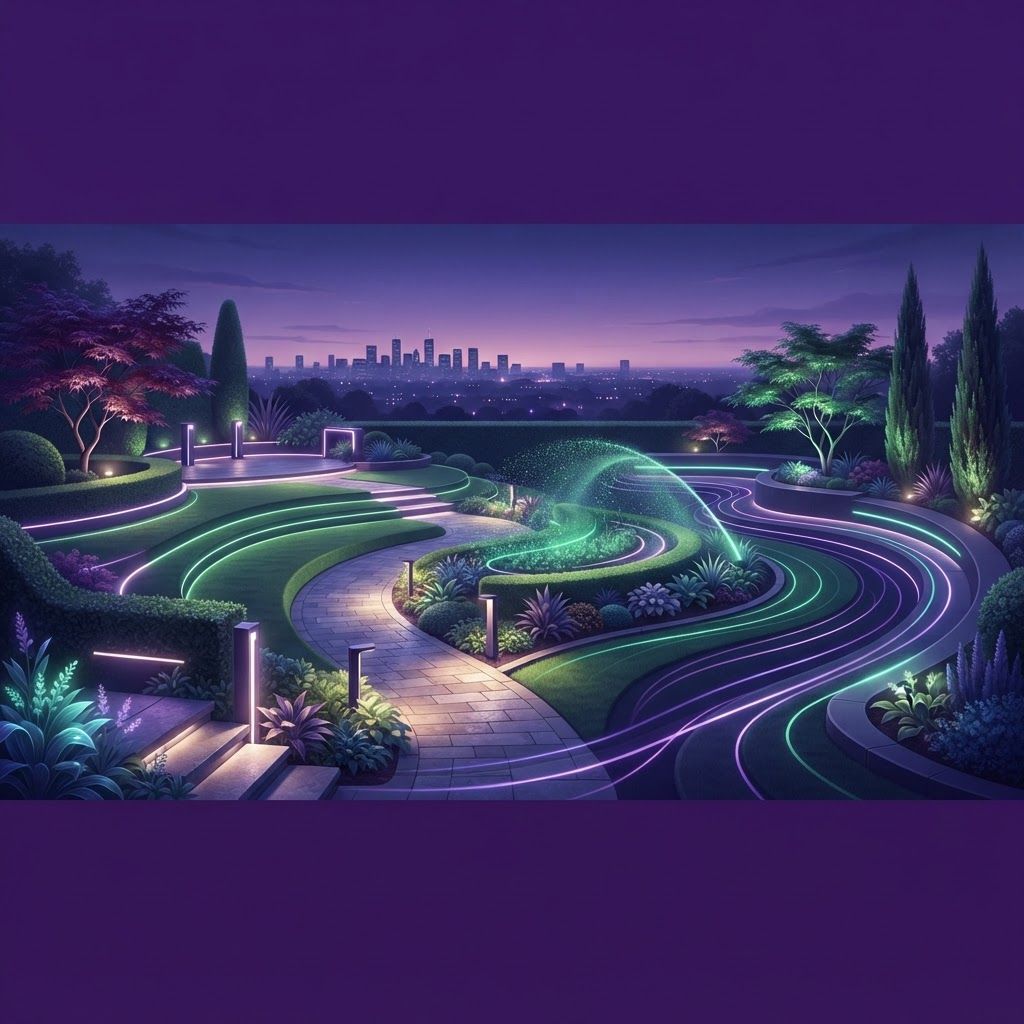
Landscaping Conditions in Central Arkansas
Little Rock landscapes are shaped by three defining local conditions. First, much of the area sits on dense clay soil that drains slowly, compacts easily, and expands and contracts with moisture cycles. Second, summers deliver sustained heat and humidity that stress cool-season turf and shallow-rooted ornamentals. Third, spring and autumn bring intense rainfall events that expose any weakness in grading and drainage.
The result is that successful landscaping here is as much civil work as it is horticulture. Companies that lead the market tend to solve water movement and soil structure first, then layer planting and hardscape design on top of a sound foundation. Homeowners who reverse that order usually end up rebuilding within a few seasons.
What Separates Top Landscaping Firms
The strongest providers offer either genuine design capability with a licensed or degreed designer, or disciplined maintenance systems with consistent crews and horticultural knowledge. Very few excel at both, which is why it is worth deciding what you actually need before shopping. Also verify liability insurance, workers compensation, irrigation licensing where applicable, and whether the company self-performs or subcontracts hardscape and drainage work.
The Top 10 Landscaping Companies in Little Rock
1. Botanica Gardens — A design-forward firm known for full landscape architecture, planting design, and installation on residential properties. Strong plant palette knowledge for Central Arkansas conditions.
2. Good Earth Garden Center — Combines a well-stocked garden center with landscape design and installation services, giving clients unusually direct access to plant selection and sourcing.
3. Cantrell Gardens — Established local operation offering design, installation, and seasonal color programs. Frequently used for front-yard refreshes and curb appeal projects.
4. River Valley Horticultural Products — Supplies and installs turf, soil amendments, and erosion control materials, with expertise valuable on sloped or drainage-challenged lots.
5. Arkansas Outdoor Living — Specializes in hardscaping: patios, retaining walls, outdoor kitchens, fire features, and paver driveways. A common choice for full backyard transformations.
6. Rock City Landscape and Design — Mid-size design-build company handling planting, lighting, irrigation, and drainage correction as integrated packages rather than separate trades.
7. Greenscape Lawn and Landscape — Focused on recurring maintenance including mowing, edging, pruning, fertilization, and weed control, with reliable scheduling that appeals to busy households.
8. Natural State Landscapes — Emphasizes native and adapted plantings, pollinator beds, and reduced-irrigation designs, an approach gaining traction as water costs and summer heat increase.
9. Precision Irrigation and Landscape — Irrigation design, installation, audit, and repair specialist. Smart controller upgrades and zone efficiency work often reduce water bills measurably.
10. Chenal Landscape Group — Serves higher-end West Little Rock properties with comprehensive estate maintenance, seasonal rotations, landscape lighting, and detailed horticultural care plans.
Plant Choices That Actually Thrive Here
Little Rock falls in a transition zone where both warm-season and some cool-season plants can survive, but only certain choices thrive without heavy intervention. Bermuda and zoysia turf handle local summers far better than fescue, which typically requires overseeding and irrigation support. For structure, consider crape myrtle, redbud, serviceberry, and Southern magnolia. Reliable shrubs include holly varieties, abelia, oakleaf hydrangea, and viburnum. For perennials, coneflower, black-eyed Susan, salvia, and switchgrass tolerate heat and clay with minimal fuss.
Drainage: The Most Overlooked Investment
Because clay soil sheds water rather than absorbing it, grading and drainage determine whether a landscape survives. Typical solutions include French drains, dry creek beds, catch basins tied to daylight outlets, downspout extensions, and regrading to establish positive fall away from the foundation. Rain gardens planted with water-tolerant natives are an increasingly popular way to manage runoff while adding visual interest. Addressing drainage before planting saves both plant replacement costs and potential foundation problems.
Understanding Landscaping Costs
Recurring maintenance is typically billed monthly or per visit based on lot size and scope. Design fees for a full residential plan are usually charged separately and sometimes credited toward installation. Hardscape projects such as paver patios and retaining walls represent the largest line items because of excavation, base preparation, and material volume. Irrigation system installation is priced by zone count and head type. The most common budgeting mistake is underfunding soil preparation and drainage, which are invisible but determine long-term outcomes.
Trends in Little Rock Landscaping
Outdoor living continues to dominate, with covered patios, kitchens, and fire features treated as extensions of interior square footage. Native and low-water planting is growing steadily, driven by both maintenance fatigue and interest in pollinator habitat. Landscape lighting has become a standard component rather than an upgrade, extending usable hours and improving security. Smart irrigation controllers that adjust to local weather data are now common on new installs.
Choosing the Right Partner
Ask to see completed projects at least three years old rather than freshly installed photos, since maturity reveals whether plant selection and drainage were sound. Request a written scope that specifies plant sizes and quantities, soil amendments, base depths for hardscape, and warranty terms on plant material. Clarify who handles maintenance during establishment, because the first two summers determine survival rates in Central Arkansas.
Final Thoughts
Little Rock rewards landscaping that respects its soil and climate rather than fighting them. Work with a company that leads with drainage and site analysis, choose plants adapted to regional conditions, and treat maintenance as part of the investment rather than an afterthought.