
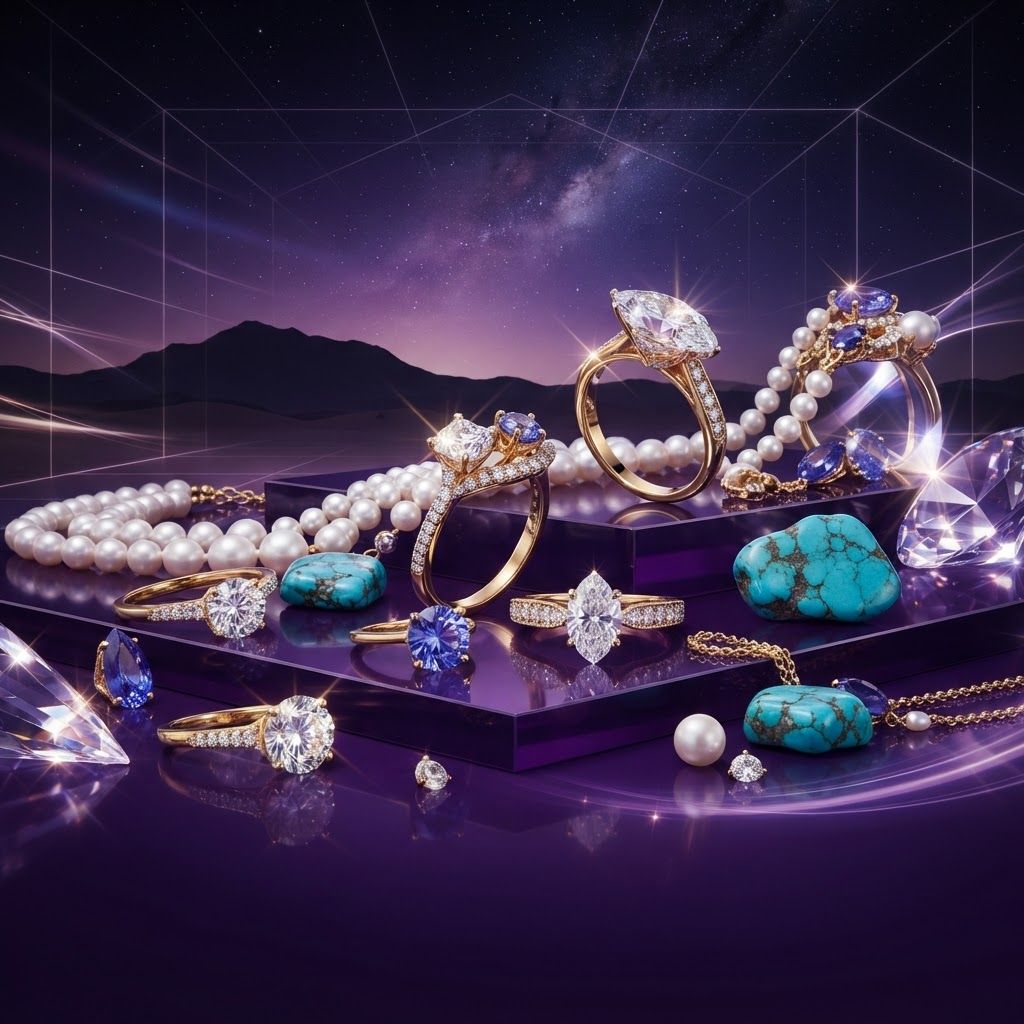
A Jewelry Market Shaped by Art, Tourism, and Tradition
Scottsdale's jewelry scene is unusually rich for a city of its size, and the reason is layered history. Long before luxury retail arrived, the region was a center of Native American silversmithing and lapidary work, particularly involving turquoise sourced from Arizona mines. That tradition established both craft infrastructure and a customer base that valued handmade work. Later, the growth of Scottsdale's arts district and the influx of affluent seasonal residents created demand for fine jewelry at every tier from artisan silver to high jewelry.
Today the market operates on three parallel tracks: international luxury brands with recognizable design codes, established independent jewelers offering custom design and estate pieces, and Native American and Southwestern artisans producing work with genuine cultural provenance. Understanding which track fits your purchase intent is the single most useful step in shopping the city effectively.
Ten Jewelry Brands and Jewelers to Know
1. Tiffany & Co.
Tiffany remains the reference point for engagement rings, largely because of its rigorous diamond standards and vertically integrated sourcing. The brand publishes provenance information on its diamonds and maintains stricter cut tolerances than industry minimums. Its design archive, from the six-prong solitaire setting to enduring silver collections, gives it recognizability that supports resale value.
2. Cartier
Cartier's strength is iconography. The Love bracelet, Trinity ring, and Panthère motifs are among the most recognizable designs in jewelry, which makes them reliable choices for gift purchases where design consensus matters. The maison also maintains serious high jewelry and watchmaking capability, appealing to collectors rather than only occasion buyers.
3. David Yurman
David Yurman built an entire category around the cable motif, a twisted helix that bridges fine jewelry and everyday wear. The brand performs especially well in Scottsdale because its sterling silver and gold combinations suit a casual-luxury lifestyle where formal jewelry would feel overdressed. Its men's collections have also grown substantially.
4. Molina Fine Jewelers
Representing Arizona's established independent tier, Molina illustrates why family-owned jewelers persist alongside global brands. Independent houses compete through custom design capability, in-house bench jewelers, access to estate and rare stones, and multi-generational client relationships. For bespoke commissions, this category typically offers more design flexibility than branded retail.
5. Van Cleef & Arpels
Van Cleef is known for technical mastery, particularly the Mystery Set technique that conceals metal prongs entirely, and for the Alhambra clover motif. It sits at the collector end of the market where craftsmanship narrative matters as much as material value. Pieces are frequently purchased as long-horizon holdings rather than fashion items.
6. Pandora
Pandora anchors the accessible tier and deserves inclusion for market reach rather than luxury positioning. Its modular charm system creates a genuinely personal product and an ongoing purchase relationship. For gifting across a wide age range at moderate price points, it remains the most efficient option in the category.
7. Bulgari
Bulgari brings a distinctly Roman design sensibility, characterized by bold volumes, colored gemstones, and the Serpenti and B.zero1 collections. Its willingness to use cabochon-cut colored stones and unconventional combinations differentiates it from more restrained French houses, and that boldness suits Scottsdale's resort-forward aesthetic.
8. Native American Silversmith Collectives
Work by Navajo, Hopi, and Zuni artisans represents the most culturally significant jewelry available in the region. Each tradition has distinguishable techniques: Navajo work emphasizes heavy silver and turquoise settings, Hopi work is known for overlay silhouettes, and Zuni work is recognized for detailed inlay and needlepoint stonework. Buying from reputable galleries that document the artist by name ensures authenticity and fair compensation.
9. Mikimoto
Mikimoto essentially created the cultured pearl industry and continues to set grading standards for luster, nacre thickness, and surface quality. Pearls suit warm climates well, requiring no metal against the skin in hot weather, and Mikimoto's quality consistency makes it a dependable choice for classic strands and studs.
10. Independent Custom Design Studios
Scottsdale supports a healthy population of independent designers working in CAD-assisted custom fabrication. These studios excel at redesigning inherited pieces, sourcing unusual center stones, and producing one-of-one work at prices below branded equivalents. The trade-off is that quality varies, so verifying bench credentials and reviewing completed portfolios matters.
How to Evaluate Jewelry Quality
For diamonds, insist on independent grading from a recognized laboratory and prioritize cut grade above carat weight, since cut governs light performance more than any other factor. For colored gemstones, ask specifically about treatments, as heat, oil, and fracture filling materially affect value and care requirements. For gold, understand that karat indicates purity while construction quality determines durability; a well-made 14k piece will outlast a poorly made 18k one. For pearls, evaluate nacre thickness and surface cleanliness rather than size alone.
Trends in the Local Market
Lab-grown diamonds have moved decisively into the mainstream, prompting most jewelers to carry both natural and laboratory stones with clear disclosure. Estate and vintage jewelry demand has risen sharply, driven by sustainability values and interest in designs unavailable new. Personalization continues to expand, with engraving, birthstone integration, and bespoke redesign of inherited pieces representing a growing share of independent jeweler revenue.
Practical Buying Advice
Set a realistic budget before entering a store, and allocate it toward craftsmanship rather than maximizing stone size. Request written documentation for any significant purchase, including grading reports, appraisals for insurance, and clear return terms. For engagement rings, plan a timeline of at least six to eight weeks for custom work. Finally, establish a relationship with one jeweler for ongoing maintenance; prong inspection and professional cleaning every six to twelve months prevents the stone losses that account for most jewelry claims.
Final Thoughts
Scottsdale offers genuine range in jewelry, from globally recognized maisons to artisan work rooted in centuries-old regional tradition. The best purchases come from matching intent to source: branded luxury for recognizable design and resale confidence, independent jewelers for custom work and value, and authenticated Native American artisans for pieces with meaningful cultural and artistic significance.