
A Design Market Shaped by Growth and History
Interior design in Huntsville sits at an interesting intersection. On one side is a wave of new construction in Madison, Harvest, Hampton Cove, and the Limestone County corridor, where homeowners want help selecting finishes, furnishing large open plans, and avoiding the sameness that builder-grade packages can produce. On the other side are historic districts such as Twickenham and Old Town, where sensitive renovation requires respect for period detail alongside modern livability.
Commercial work adds a third dimension. Restaurants, breweries, medical practices, and technology offices all require design that supports operations, brand identity, and code compliance. The city's adaptive reuse projects, from converted mills to repurposed school campuses, have produced some of the most interesting interior work in the state and elevated local design expectations considerably.
What Interior Designers Actually Do
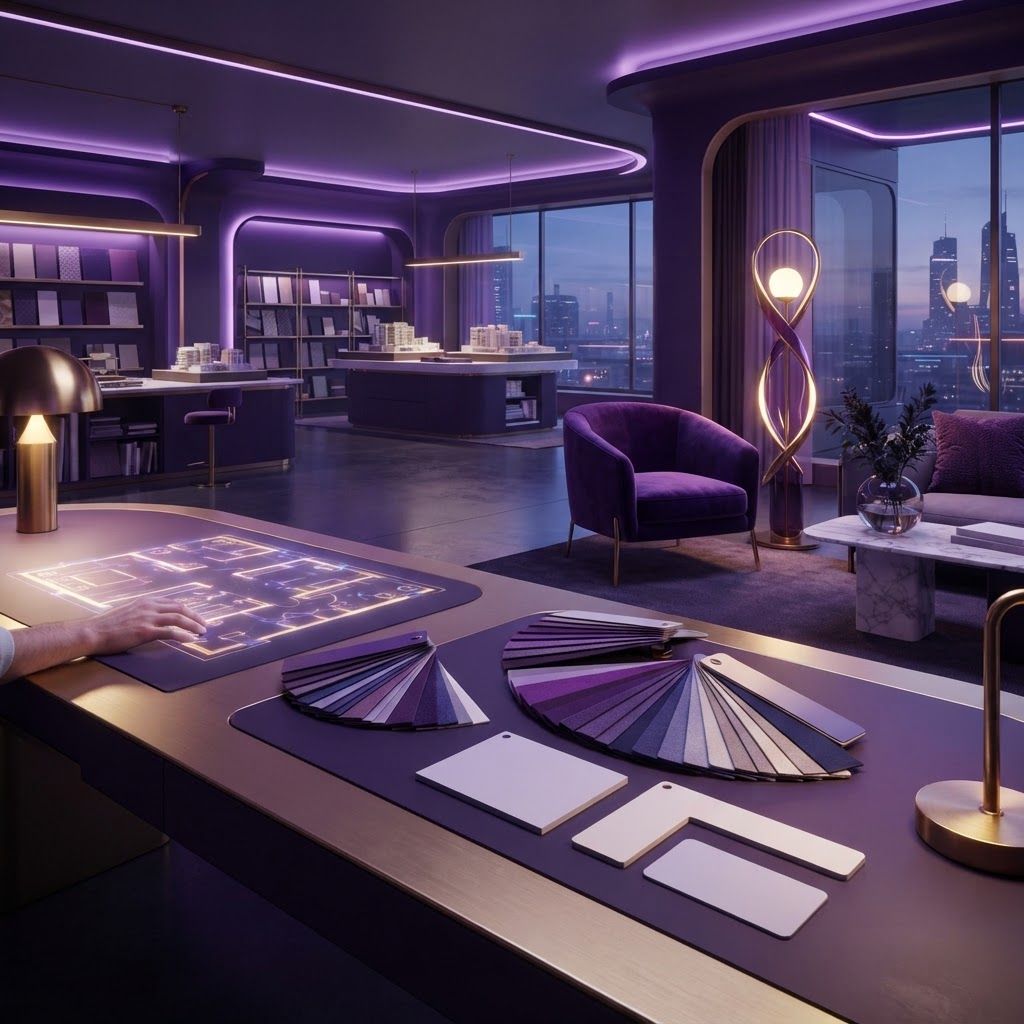
Full-service design engagements extend well beyond furniture selection. Designers develop space plans, produce elevations and millwork drawings, specify materials and lighting, coordinate with architects and contractors, manage procurement and delivery logistics, and supervise installation. On renovation projects they often identify structural or mechanical constraints early, preventing expensive mid-construction changes.
Smaller engagements can be equally valuable. Hourly consultation suits homeowners who need help with a paint palette, a furniture layout, or a single room refresh. Finish selection packages support new construction buyers navigating builder options. Understanding which service level you need prevents both overspending and underserving the project.
The Best Interior Design Firms in Huntsville
Dwell Interiors is well regarded for residential work that balances comfort and sophistication, with particular strength in whole-home furnishing and finish coordination.
Southern Studio Interior Design brings a refined traditional sensibility updated for contemporary living, appealing to clients in established neighborhoods and custom home builds.
Chandler Design Group handles both residential and commercial projects, offering technical documentation capability that supports complex renovations.
Rocket City Interiors serves the growing new-construction market with efficient finish selection packages and furnishing plans tailored to builder timelines.
Monte Sano Design Collective is known for organic, material-forward interiors that suit the wooded mountain properties around Monte Sano and Green Mountain.
Twickenham Interiors specializes in historic homes, navigating period-appropriate detailing while integrating modern kitchens, baths, and systems.
Studio Nine Design focuses on commercial hospitality and retail interiors, delivering the durable, brand-driven environments that restaurants and boutiques require.
Elevate Design Studio works across residential and small commercial projects with a contemporary aesthetic and strong lighting design capability.
Willow and Oak Interiors offers approachable, budget-conscious design services popular with young families furnishing first homes.
Valley Commercial Interiors completes the list, serving office and medical clients with space planning, furniture procurement, and workplace strategy.
How to Evaluate a Designer
Start with the portfolio, but look past styling to substance. Does the work show range or a single repeated formula? Are the photographed projects comparable in scale and budget to yours? Ask to see a project of similar scope from start to finish, including before images and any documentation the firm produced.
Clarify the fee structure early. Designers charge through hourly rates, flat project fees, cost-plus markup on furnishings, square footage rates, or hybrid arrangements. None is inherently superior, but the structure must be transparent and matched to the project. Ask specifically how procurement is handled, who holds responsibility for damaged or delayed goods, and how change orders are priced.
Working Well with Your Designer
Establish a realistic budget before design begins, including a contingency of at least ten to fifteen percent for renovation work. Designers who know the true budget produce specifications that can actually be executed, whereas ambiguity leads to plans that must be dismantled and revised.
Communicate priorities honestly. If durability for children and pets outweighs delicate materials, say so upfront. If you host frequently, that should shape dining and seating decisions. Provide feedback promptly during selection phases, because procurement lead times on upholstery, stone, and lighting can extend for months and delayed decisions cascade through the schedule.
Trends Visible in Huntsville Interiors
Warm minimalism has largely replaced stark gray palettes, with natural wood tones, textured plaster finishes, and layered lighting appearing frequently in new builds. Dedicated home offices remain a priority given the region's technical workforce and hybrid work patterns, and designers increasingly plan for acoustic separation and video-friendly lighting.
In commercial work, adaptive reuse aesthetics that celebrate original masonry, steel, and timber continue to resonate. Locally sourced art, much of it from Lowe Mill studios, has become a common thread in both residential and hospitality projects, giving interiors a genuine sense of place.
Final Thoughts
Good interior design pays for itself in usability, longevity, and satisfaction with a space you occupy daily. Huntsville now supports a mature design community capable of everything from a single-room refresh to a full historic renovation or restaurant build-out. Define your scope, interview several firms, compare fee structures directly, and select the designer whose past work and communication style align with your project.