
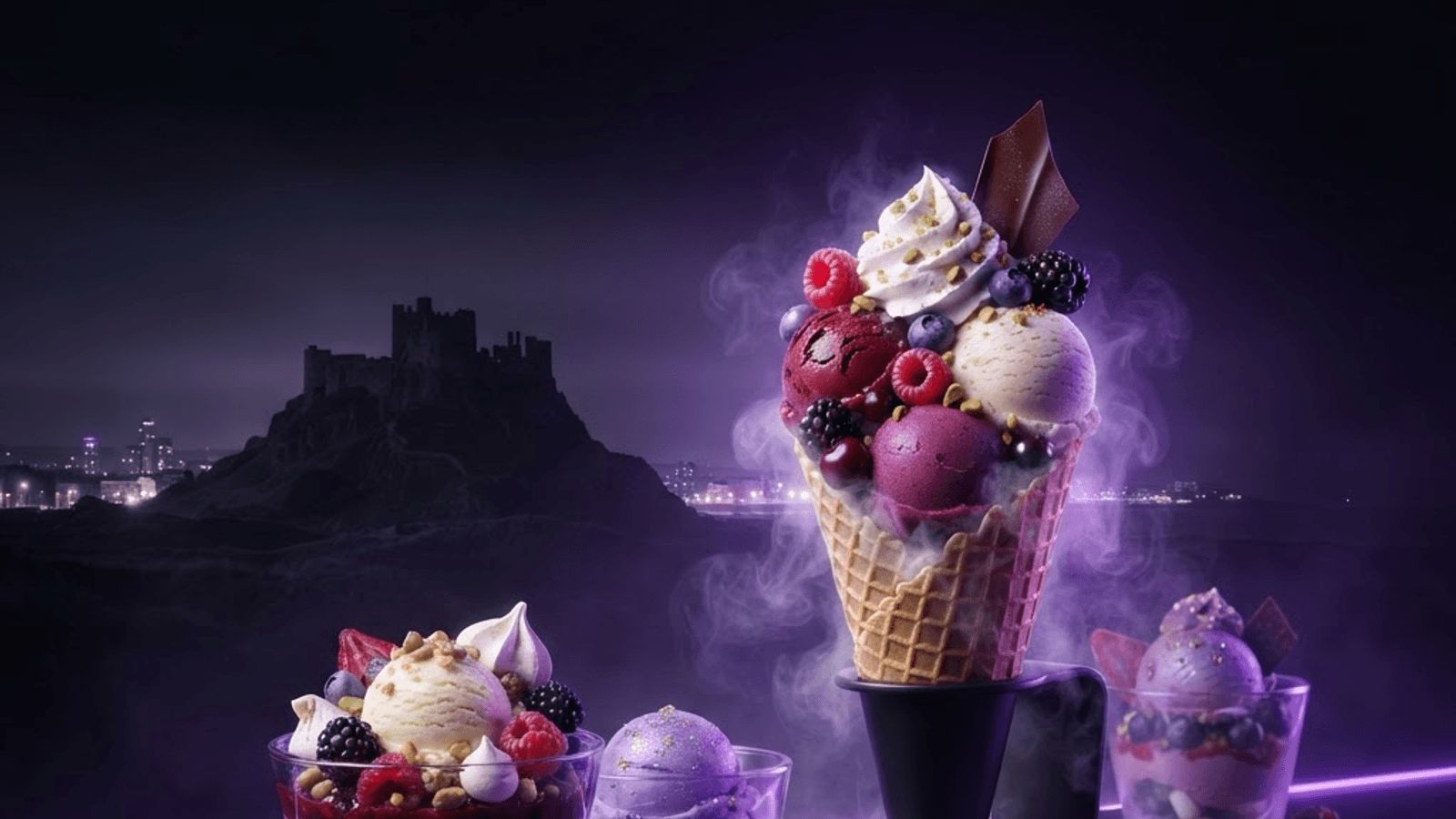
Why This Corner of England Makes Excellent Ice Cream
Ice cream quality begins with milk and cream, and Lancaster is fortunate in its geography. The surrounding pasture supports dairy herds producing rich, high-quality milk, and several of the best local ice cream producers are farm-based operations churning their own output rather than buying in a base mix. That vertical integration shows in the finished product.
The local market has also diversified considerably. Traditional farmhouse vanilla now sits alongside Italian-style gelato made fresh daily, small-batch producers experimenting with unusual flavours, and dairy-free operations producing genuinely good frozen desserts from oat and coconut bases.
What Makes Ice Cream Good
A few technical factors determine quality. Butterfat content is the most obvious: richer ice cream has more fat, which carries flavour and produces a smoother texture. Overrun, the amount of air whipped into the mix, is equally important and less visible. Cheap ice cream can be more than half air, which is why a large tub can feel surprisingly light. Dense, low-overrun ice cream costs more to produce and tastes substantially better.
Ingredient simplicity is the third marker. Excellent ice cream needs milk, cream, sugar, egg yolks in a custard base, and flavouring. Long lists of stabilisers, emulsifiers, and artificial flavourings generally indicate a product engineered for shelf life rather than taste.
Gelato differs deliberately: lower fat, less air, served slightly warmer, producing a denser texture and more intense flavour delivery. Neither is better in the abstract; they are different products.
Ten Ice Cream Brands and Makers in the Lancaster Area
Lune Valley Dairy Ice Cream is a farm-based producer churning ice cream from milk produced by its own herd. Their vanilla is the benchmark against which the others can reasonably be measured, and their seasonal fruit flavours use locally grown produce when available.
Castle Hill Gelateria makes Italian-style gelato fresh on the premises daily, in relatively small batches, with a rotating selection. Their pistachio and hazelnut varieties use proper nut pastes rather than flavourings, which is immediately apparent.
Bowland Farmhouse Creamery produces traditional rich dairy ice cream in a wide range of classic flavours. They supply local retailers and cafés as well as selling directly, and their consistency over many years has built a loyal regional following.
Morecambe Bay Ices operates close to the coast with a strong seaside trade, producing crowd-pleasing classics alongside occasional inventive specials. Their honeycomb and salted caramel varieties are particularly well regarded.
Greenacre Plant Frozen specialises in dairy-free ice cream using oat and coconut bases. Their products avoid the icy texture that often afflicts dairy-free frozen desserts, achieving genuine creaminess, and they serve a growing customer base who previously had poor options.
Skerton Small Batch is an artisan producer working in genuinely small quantities with an experimental approach: herb infusions, unusual spice combinations, and collaborations with local bakeries and coffee roasters. Their range changes constantly, which is part of the appeal.
Quernmore Organic Dairy produces certified organic ice cream from organically managed pasture, appealing to customers who prioritise farming practice alongside flavour. Their range is deliberately narrow and executed carefully.
Halton Sorbet Company focuses on fruit sorbets and water ices rather than dairy, using high fruit content and minimal added sugar. Their sorbets are intensely flavoured and work well as a lighter option or a palate cleanser.
Heysham Traditional Ices is a long-established family business with a heritage stretching back generations, producing the kind of traditional ice cream that has been sold from vans and kiosks in the region for decades. It is nostalgic in the best sense and genuinely well made.
Meridian Frozen Desserts completes the list as a producer supplying restaurants and hospitality with bespoke flavours developed for specific menus, alongside a retail range. Their technical consistency is high, which matters to chefs plating desserts to a standard.
Buying, Serving, and Storing
Temperature makes an enormous difference to perceived quality. Ice cream served straight from a deep freezer at the coldest setting will taste muted, because cold suppresses flavour perception. Allowing a tub to soften for five to ten minutes before serving noticeably improves the experience.
At home, store ice cream at the back of the freezer rather than in the door, where temperature fluctuates most. Repeated partial thawing and refreezing causes ice crystals to form, which is what produces that grainy texture in a tub that has been opened many times. Pressing a layer of parchment onto the surface before resealing helps.
Seasonality and Local Sourcing
The better local producers work seasonally, making strawberry ice cream when regional strawberries are in season rather than year-round from frozen purée. Autumn brings damson, blackberry, and apple; summer brings soft fruit; winter shifts toward richer chocolate, spice, and nut flavours.
This seasonality is a good indicator of a producer's priorities. A maker offering the identical thirty flavours every week of the year is working from bought-in ingredients rather than local produce.
Supporting Local Producers
Small dairy-based ice cream producers operate with significant equipment costs, tight margins, and heavy seasonality, with much of the year's revenue concentrated into a few warm months. Buying from them through winter genuinely helps, as does buying directly from farm shops and their own outlets rather than through intermediaries.
For anyone living in or visiting Lancaster, the practical recommendation is simple: try the farm-based producers first, pay attention to the difference in texture and richness, and you will find it hard to return to mass-produced alternatives.