
The Case for Outsourced HR
Most Denton businesses reach a point where informal people management stops working. Perhaps headcount crosses a threshold where consistency becomes difficult, or a compliance issue surfaces, or leadership realizes that administrative tasks are consuming time that should go toward growth. At that moment, employers face a choice between hiring internal HR staff and engaging external service providers.
For organizations below roughly fifty to one hundred employees, outsourcing frequently makes better economic sense. A single internal generalist cannot match the combined expertise of a provider offering recruiting specialists, benefits advisors, compliance experts, and payroll professionals. Service providers also spread technology costs across many clients, giving smaller employers access to platforms they could not justify independently.
The Top 10 HR Service Providers in Denton
1. North Texas HR Services
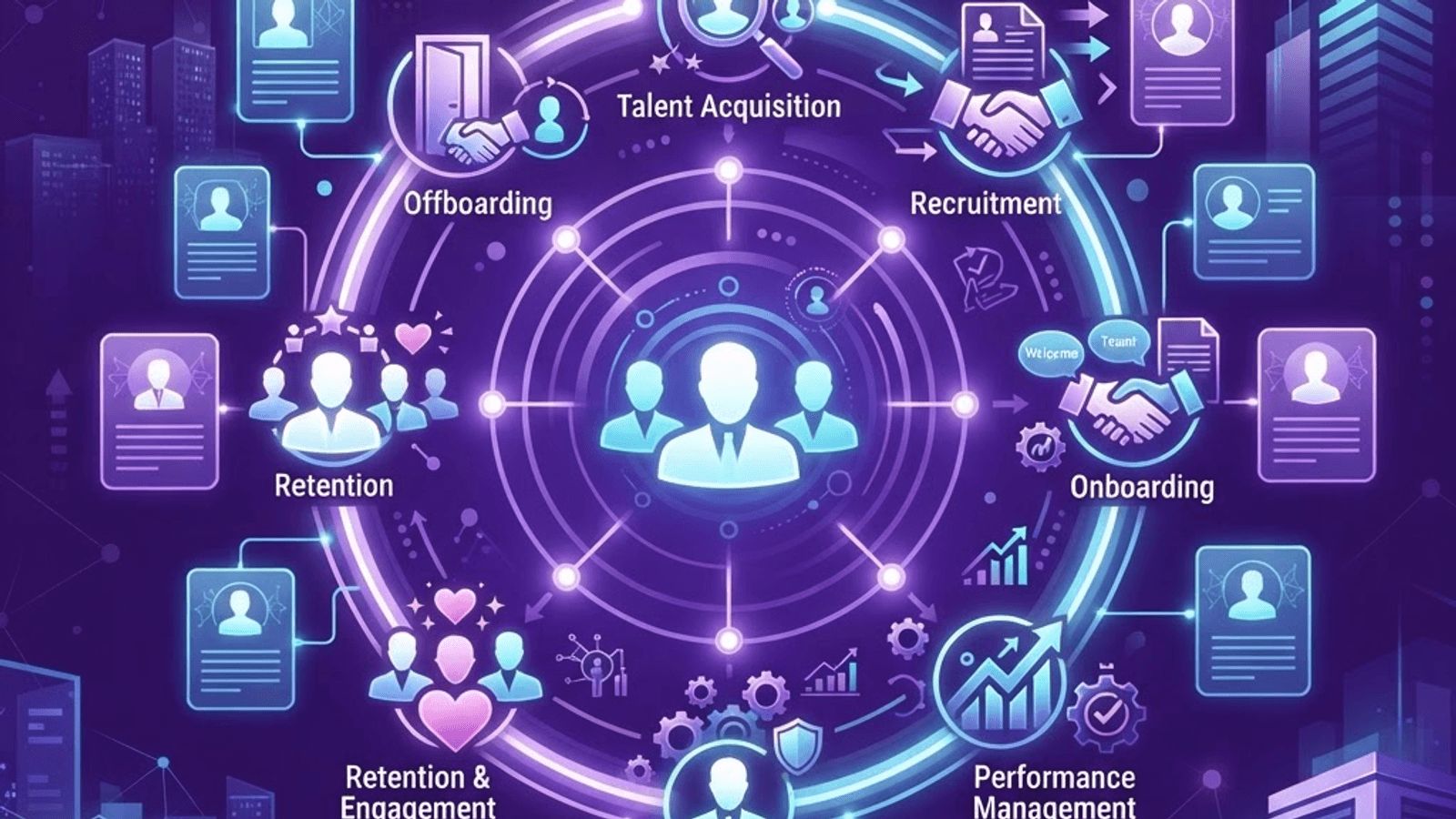
A comprehensive provider handling the full employment lifecycle from recruiting through offboarding. Clients receive policy development, employee relations support, compliance monitoring, and administrative processing under a single retainer, functioning effectively as an outsourced department.
2. Denton Professional Employer Services
Operating on a co-employment model, this organization assumes shared responsibility for employment administration, giving small employers access to benefit plans and workers compensation rates typically available only to much larger companies. The pooled purchasing power can substantially reduce benefit costs.
3. Trinity Recruiting Group
Focused exclusively on talent acquisition, Trinity manages sourcing, screening, interview coordination, and offer negotiation. Their specialization across administrative, technical, and management roles serves employers who lack the time to run effective searches.
4. Summit Benefits Administration
Managing enrollment, carrier coordination, claims support, and compliance reporting, Summit removes the administrative load surrounding employee benefits. Their employee communication work helps staff actually understand and use what employers provide.
5. Redbud Employee Relations Services
Providing investigation services, conflict mediation, and disciplinary guidance, Redbud offers the neutral perspective that internal handling often lacks. Thorough documentation and consistent process protect both employees and organizations.
6. Cardinal Onboarding Solutions
Specializing in the new hire experience, Cardinal handles documentation, background screening, orientation design, and early engagement. Since a substantial share of turnover occurs within the first ninety days, structured onboarding delivers measurable retention improvement.
7. Oakline HR Compliance Services
Conducting audits and maintaining ongoing compliance monitoring, Oakline tracks classification accuracy, required documentation, posting requirements, and leave administration. Regular review catches drift before it becomes a claim.
8. Bluestone Performance Management
Designing and administering review processes, goal setting frameworks, and development planning, Bluestone helps organizations move beyond annual evaluations that nobody values toward ongoing feedback that actually improves performance.
9. Lone Star Employee Engagement
Conducting surveys, analyzing results, and designing improvement initiatives, this provider helps employers understand what drives retention within their specific workforce rather than relying on general assumptions.
10. Trinity Valley HR Technology Services
Rounding out the list, this provider implements and administers human resource information systems, handling configuration, data migration, integration, and user training so that platforms deliver their promised efficiency.
Service Models Explained
Several distinct arrangements exist. Administrative service organizations handle processing tasks while the employer retains all employment responsibility. Professional employer organizations enter co-employment relationships, sharing responsibility and providing access to pooled benefits. Consulting arrangements provide advice and project work without ongoing administration. Fractional HR places experienced practitioners with clients part-time.
Each model suits different situations. Co-employment offers the largest benefit cost advantages but involves the deepest relationship and more complex exit if the arrangement ends. Consulting offers maximum flexibility but leaves execution with the client.
What Quality Service Looks Like
Responsiveness is the most immediate marker. Employment questions frequently carry urgency, and a provider who takes days to respond leaves managers making unsupported decisions. Proactive communication about regulatory changes, upcoming deadlines, and emerging risks distinguishes strong providers from reactive ones.
Documentation quality also matters. Provider-maintained records must be complete, organized, and accessible, since employers remain responsible for compliance regardless of who performs the work.
Trends Affecting HR Services
Several developments are reshaping the field. Multi-state employment resulting from remote work has expanded compliance complexity substantially. Pay transparency expectations have grown, pushing employers toward defensible compensation structures. Mental health and wellbeing support has shifted from perk to expectation. Artificial intelligence in screening and scheduling offers efficiency while raising bias and privacy questions that require governance.
Skills-based hiring, evaluating candidates on demonstrated capability rather than credentials alone, has gained traction as employers struggle to fill roles through traditional filters.
Retaining Accountability When You Outsource
Outsourcing HR functions does not transfer legal responsibility. Employers remain accountable for compliance with wage and hour law, discrimination protections, and recordkeeping requirements regardless of who performs the administrative work. Recognizing this shapes how the relationship should be managed.
Establish a regular review cadence with your provider rather than engaging only when problems arise. Quarterly meetings covering turnover trends, open compliance items, upcoming regulatory changes, and workforce planning keep leadership informed and give the provider context to advise well. Request periodic documentation audits so that files remain complete rather than drifting.
Maintain internal visibility into key data including headcount, compensation structure, and turnover by department. Leadership that understands its own workforce makes better decisions and asks better questions of its provider. The strongest outsourcing relationships in Denton function as genuine partnerships where the employer remains engaged and the provider supplies expertise, rather than arrangements where responsibility is assumed to have been handed off entirely.
Selecting a Provider
Define which functions you want to outsource and which to retain before evaluating options. Ask about client retention rates, average response times, and staff credentials. Review contracts carefully for termination provisions and data ownership, ensuring you can retrieve your employment records if the relationship ends. Above all, choose a provider whose communication style fits your organization, because HR work touches sensitive matters where trust and clarity determine outcomes.