
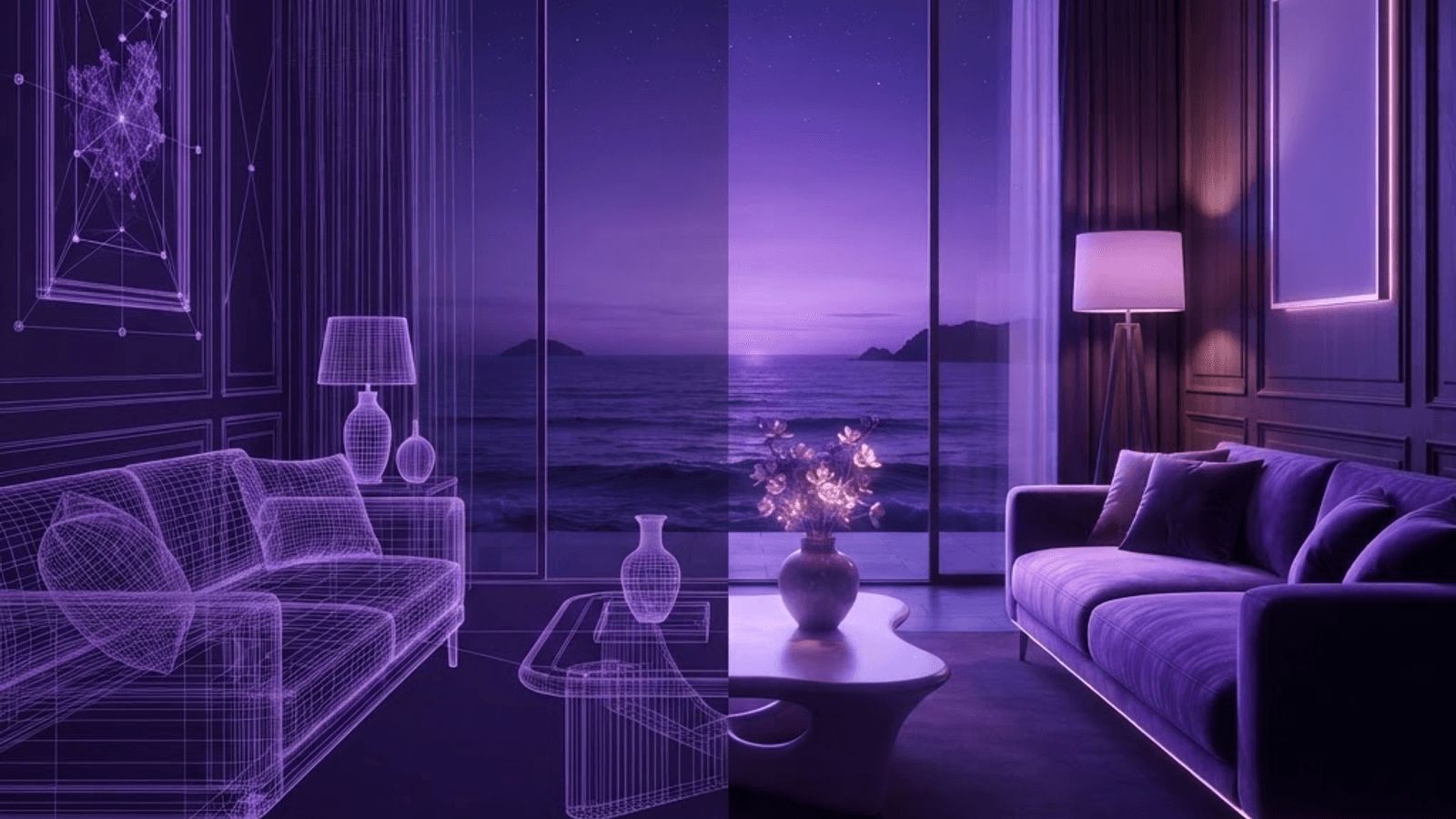
Why Staging Works
Home staging is often misunderstood as decoration. It is closer to marketing. The purpose is not to make a home beautiful in the abstract but to help buyers mentally occupy it, understand how rooms function, and perceive the property as move-in ready. Those perceptions translate directly into offer behavior.
The effect is amplified by the way buyers shop. The overwhelming majority begin online, and photographs determine whether a property makes the showing list at all. A staged home photographs dramatically better than an empty or personally furnished one, which means staging influences outcomes before anyone walks through the door.
In Huntington Beach, staging carries an additional dimension. Buyers here are frequently purchasing a lifestyle as much as a structure, and staging that communicates coastal living, indoor-outdoor flow and relaxed sophistication resonates in ways that generic furnishing does not.
The Top 10 Home Staging Services in Huntington Beach
1. Surf City Home Staging
A full-service stager with a large in-house inventory and a design vocabulary tuned specifically to coastal properties. Known for fast turnarounds that align with listing deadlines.
2. Pacific Coast Staging Studio
Focused on upper-tier listings with curated furniture, original artwork and detailed accessory styling. Their work is frequently used for properties requiring elevated presentation.
3. Harbour Waterfront Staging
Specialists in waterfront and view properties, arranging furniture to emphasize sightlines and outdoor living areas rather than filling floor space.
4. Beachside Occupied Home Staging
Works with sellers still living in their homes, blending existing furnishings with supplemental pieces and handling decluttering, depersonalization and room reconfiguration.
5. Goldenwest Vacant Property Staging
Full vacant staging for empty homes, covering the primary living areas, kitchen, primary bedroom and outdoor spaces that most influence buyer perception.
6. Main Street Staging Consultants
Consultation-only services providing a detailed room-by-room action plan for sellers who prefer to execute the work themselves at lower cost.
7. Bolsa Chica Interior Styling
Combining staging with light renovation coordination, including paint selection, fixture updates and minor repairs that improve return before listing.
8. Oceanview Luxury Staging
Premium staging for high-value properties, with designer furnishings and coordination alongside professional photography and video production.
9. Edinger Rapid Staging Solutions
Built around speed, offering compressed timelines for sellers who need to list quickly after an unexpected relocation or estate situation.
10. Coastline Virtual Staging
Digital staging of photographs for vacant properties, providing an inexpensive alternative when physical staging is impractical. Disclosure that images are virtually staged is required.
Types of Staging and What Each Costs
A consultation typically involves a walkthrough with written recommendations, priced as a flat fee. It is the highest-value option for sellers with decent furniture and the willingness to do the work.
Occupied staging supplements existing furnishings and usually costs less than vacant staging because fewer rental pieces are required. Vacant staging is the most expensive because every piece must be delivered, installed and eventually removed, with monthly rental charges accruing for the duration of the listing.
Partial staging covers only high-impact spaces, commonly the living room, kitchen, primary bedroom and outdoor areas, and delivers most of the benefit at reduced cost. Virtual staging is the least expensive by a wide margin but cannot replicate the in-person experience, which matters once buyers arrive at a showing.
Measuring the Return
Evaluate staging as a marketing investment against the carrying cost of an extended listing. Mortgage interest, property taxes, insurance, utilities and maintenance accumulate every month a property sits unsold. When staging shortens the marketing period meaningfully, it frequently pays for itself before considering any price improvement.
The second effect is price perception. Buyers discount visible work required, and they discount generously. A property that reads as dated or neglected invites offers reflecting worst-case renovation assumptions, while a well-presented home narrows that mental deduction considerably.
Timeline and Coordination
Begin the staging conversation before scheduling photography, not after. A typical sequence runs consultation, decluttering and repairs, deep cleaning, staging installation, professional photography and then listing. Compressing this sequence produces weaker photographs, which undermines the entire effort.
Vacant staging usually requires one to two days of installation once the schedule is set, though inventory availability during peak listing season can extend lead times. Discuss contract terms carefully, including the initial rental period, month-to-month extension pricing and removal scheduling after the property goes under contract.
Local Staging Considerations
Coastal buyers respond to light, airy palettes, natural textures and clear circulation to outdoor spaces. Patios, decks and yards should be staged rather than ignored, since outdoor living is a primary purchase motivation in this market. Avoid over-theming; nautical clichés read as dated, while restrained coastal styling reads as current.
Furniture scale matters in smaller downtown units, where oversized pieces make rooms feel cramped. Experienced local stagers size inventory to the property rather than defaulting to standard sets.
Choosing a Stager
Review portfolios for properties similar to yours in style and price point. Ask for before-and-after photographs and, where available, days-on-market outcomes. Confirm what the quoted price includes, how long the rental period runs and what extension costs. Coordinate the stager with your listing agent early, since the two working together produces far better results than either operating independently.