
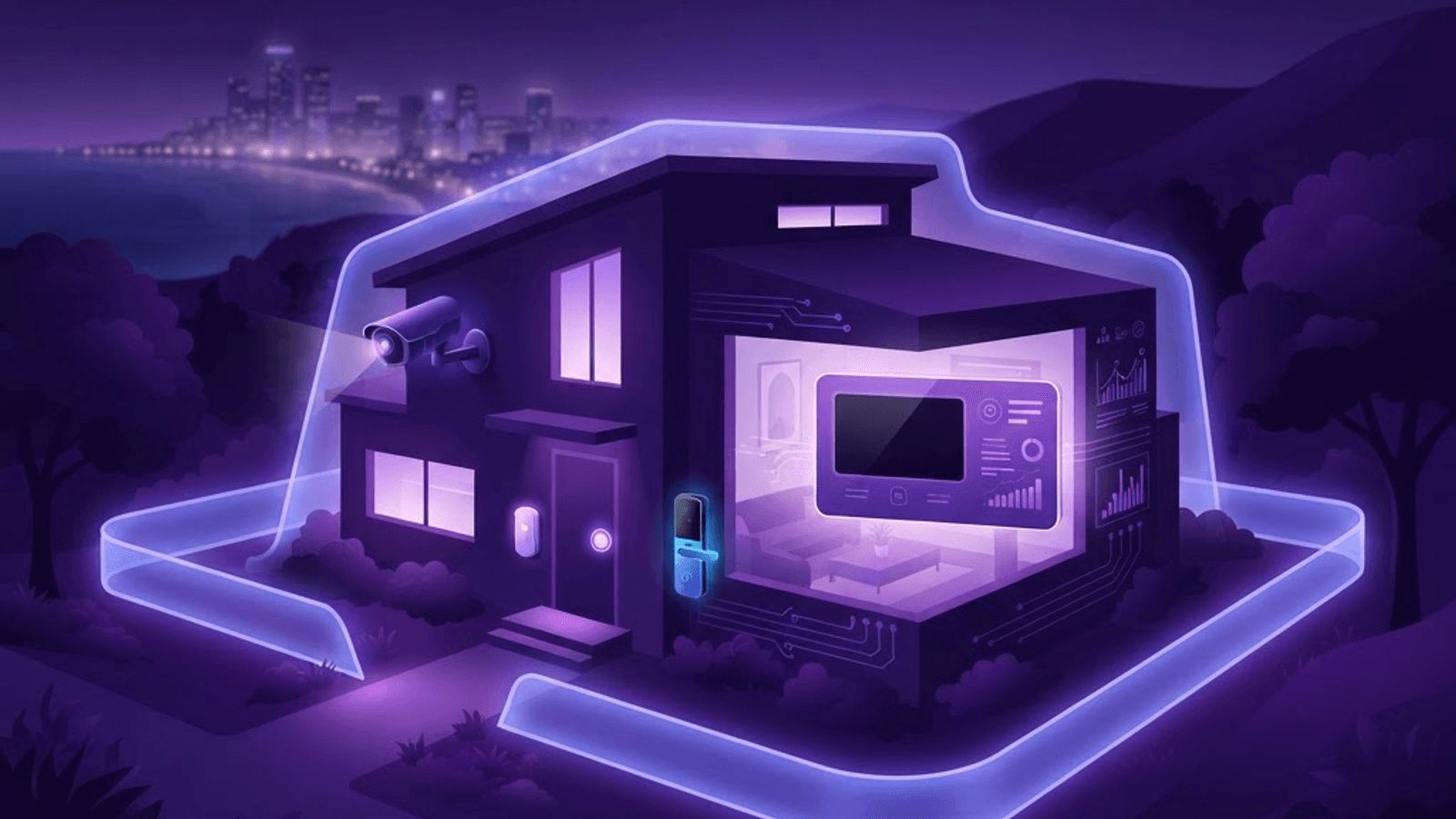
Home security has changed substantially over the past decade. What was once a keypad, a siren, and a monitoring contract is now an integrated system of cameras, sensors, smart locks, environmental detectors, and mobile applications. In Mobile, Alabama, that evolution carries particular relevance, because the most valuable security features here address not only intrusion but also the weather events and utility disruptions that define Gulf Coast life.
What Mobile Homeowners Actually Need Protection From
Burglary and package theft remain the most common concerns, particularly in neighborhoods with alley access or heavy through traffic. But the broader risk picture includes water damage from plumbing failures and storm intrusion, power outages that disable equipment and spoil food, and the extended absences that come with hurricane evacuations.
That last point is important. A system that continues to function during a power outage and cellular-only connectivity period is worth considerably more than one that goes dark when the utility does. Battery backup, cellular communication paths, and local recording that does not depend on broadband are practical requirements rather than premium features.
Water sensors deserve special mention. In a humid climate with frequent heavy rain, placing leak detectors near water heaters, washing machines, under sinks, and at air handler drain pans catches problems while they are still inexpensive. Temperature and humidity sensors also help identify air conditioning failures before mold becomes an issue.
The Top 10 Home Security Providers in Mobile
1. Port City Security Systems
Port City Security Systems provides professionally installed and monitored systems with local dispatch relationships. Clients value that technicians perform on-site assessments rather than selling packages sight unseen.
2. Bay Guard Alarm Company
Bay Guard Alarm Company is a long-established local monitoring provider known for responsive service calls and straightforward contract terms without extended lock-in periods.
3. Azalea Smart Home Security
Azalea Smart Home Security focuses on integrated smart home setups, connecting alarms, cameras, locks, thermostats, and lighting into a single application with automation routines.
4. Gulf Coast Surveillance Solutions
Gulf Coast Surveillance Solutions specializes in camera systems, including high-resolution fixed cameras, network video recorders, and weather-rated housings appropriate for coastal exposure.
5. Magnolia Protective Services
Magnolia Protective Services serves both residential and commercial clients, offering access control, alarm monitoring, and integration with fire and life safety systems for small businesses.
6. Crescent Watch Security
Crescent Watch Security targets the mid-market with competitively priced monitoring and flexible equipment options, appealing to renters and homeowners who want protection without major infrastructure changes.
7. Battleship Home Defense
Battleship Home Defense emphasizes hardening the physical envelope alongside electronics, advising on door reinforcement, window security film, and exterior lighting placement.
8. Delta Commercial Security
Delta Commercial Security concentrates on business clients around the port and industrial corridor, managing larger camera counts, gate controls, and multi-site monitoring.
9. Live Oak Monitoring Group
Live Oak Monitoring Group offers takeover service for existing hardware, allowing homeowners with abandoned or inherited systems to reactivate equipment rather than replace it entirely.
10. Southern Shield Security
Southern Shield Security bundles security monitoring with environmental protection, including water, smoke, carbon monoxide, and temperature sensors, which suits properties left unattended during travel or evacuation.
Professional Monitoring Versus Self-Monitoring
Professionally monitored systems route alarms to a central station that verifies the event and contacts emergency services. Self-monitored systems send notifications directly to the homeowner. Professional monitoring costs a monthly fee but functions when a phone is unavailable, asleep, or out of signal range. Self-monitoring appeals to cost-conscious users who accept that responsibility themselves.
Response time and redundancy separate quality monitoring centers from budget providers. Ask whether the central station has backup facilities, how alarms are verified, and what the average handling time is.
Camera Placement That Actually Helps
Coverage priorities are entry doors, driveways, and any secluded approach. Cameras mounted too high capture the top of heads rather than identifiable faces. Mixed lighting conditions along the coast, including harsh midday glare and deep shade under porches, make dynamic range more important than raw resolution. Under humid conditions, weather-rated housings and periodic lens cleaning prevent the gradual image degradation that renders footage useless.
Storage strategy matters. Cloud recording protects footage if equipment is stolen but depends on internet service. Local recording survives outages but can be taken along with the recorder. Many providers now recommend both.
Contracts, Costs, and Fine Print
Equipment can be purchased outright or subsidized in exchange for a multi-year monitoring agreement. Subsidized models lower upfront cost but raise total spend and reduce flexibility. Read cancellation provisions, automatic renewal clauses, and whether equipment remains yours at contract end. Many insurers offer premium discounts for monitored systems, which offsets part of the monthly cost, so request documentation for your carrier.
Preparing Security Systems for Storm Season
Before hurricane season, test battery backups, confirm the cellular communicator is registered, verify that camera housings are sealed, and document the system configuration. If evacuation becomes necessary, remote access to cameras and sensors provides real reassurance while away.
The best security investment in Mobile is a system designed around local realities: intrusion protection paired with environmental monitoring and genuine resilience during outages. Providers who lead with an assessment rather than a package are usually the ones who understand that.