
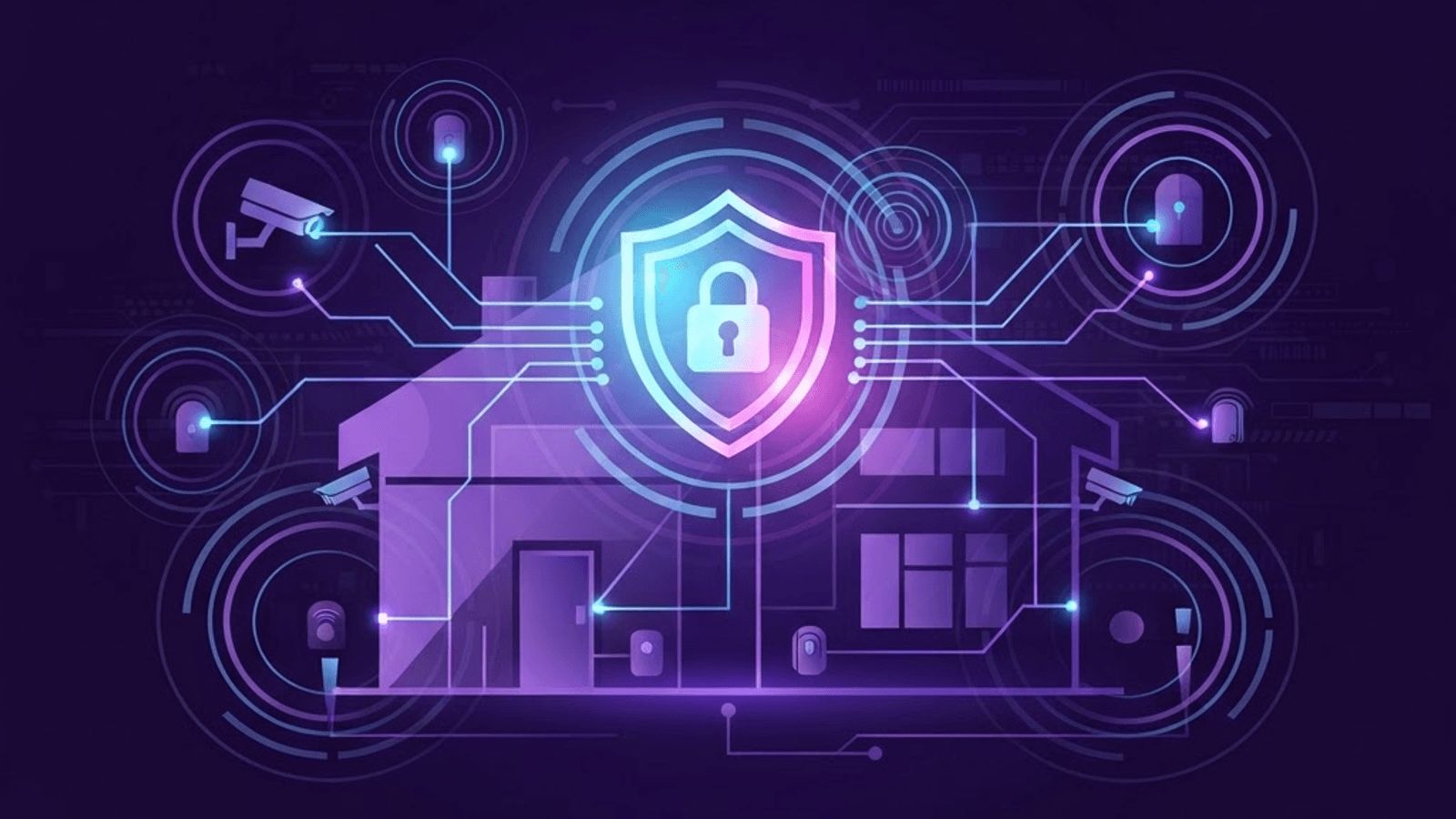
Home Security Has Changed Substantially
A decade ago, home security meant a control panel, door contacts, a motion sensor, and a monitoring contract. Today it encompasses high-resolution cameras with intelligent detection, video doorbells, smart locks, garage door controllers, environmental sensors for smoke and water, and integration with lighting and climate systems. The category has effectively merged with home automation.
For Corona residents, that evolution offers real practical value. Package theft, vehicle break-ins in driveways, and the general desire for visibility while away are the most common motivations, and modern systems address those needs far more directly than traditional alarms did.
Security Providers Serving the City
The market includes full-service installers with professional monitoring, low-voltage integrators, and companies focused on commercial security. Firms such as Circle City Security Systems and Corona Home Protection typically provide professionally installed alarm systems, camera coverage, and monitoring plans with service support.
Integrators including Temescal Smart Home Technologies and Foothill Automation and Security combine security with whole-home automation, networking, audio visual, and access control, serving clients who want a unified system rather than separate apps for each device.
Companies such as Green River Alarm Services, Grand Boulevard Security Solutions, Arlington Home Security, Chase Drive Surveillance Systems, Norco Hills Protective Services, and Sierra Del Oro Security round out the market with residential monitoring, camera installation, and small business coverage.
Professional Monitoring Versus Self-Monitoring
The central decision for most households is whether to pay for professional monitoring. With professional monitoring, a central station receives alarm signals around the clock, attempts verification, and dispatches emergency services. It works even when you are asleep, in a meeting, or without phone service.
Self-monitoring sends alerts directly to your phone and costs little or nothing beyond equipment and cloud video storage. It suits households comfortable with responding themselves and willing to accept that alerts may be missed.
A practical middle path has emerged: self-monitored systems with optional professional monitoring available on demand, allowing households to activate full monitoring during travel. Many Corona providers now support this flexibility.
It is also worth noting that many jurisdictions require alarm permits and impose fees for repeated false dispatches, so verified response, where the monitoring center confirms an event through video or audio before dispatch, has real value.
Camera Systems Done Properly
Camera placement matters more than resolution. Cameras should cover entry doors, the driveway and garage, side gates, and any low-visibility approach. Mounting height should balance facial capture against tamper resistance, and cameras aimed directly into the setting sun or at bright backlighting will produce unusable footage regardless of specification.
Storage strategy is a key decision. Cloud storage is convenient and survives equipment theft but requires a subscription and depends on internet connectivity. Local recording to a network video recorder avoids recurring fees and continues during internet outages but can be stolen or damaged. Many quality installations use both.
Intelligent detection that distinguishes people and vehicles from animals and moving shadows dramatically reduces notification fatigue, which is the most common reason homeowners eventually ignore their systems.
Smart Locks, Access, and Automation
Smart locks have matured considerably and now offer reliable operation with temporary access codes for cleaners, contractors, and guests, plus a log of who entered and when. Combined with a video doorbell, they allow secure package delivery and remote access management.
Automation adds meaningful deterrence. Lighting schedules that vary, exterior lights triggered by camera detection, and garage door status alerts address the most common real-world vulnerabilities more effectively than an alarm siren alone.
Environmental sensors deserve mention as well. Water leak detectors near water heaters and laundry connections, and smoke and carbon monoxide detection integrated with monitoring, protect against losses that are statistically more likely than burglary.
Contracts, Ownership, and Fine Print
This is where buyers most often regret their decisions. Some providers offer low upfront equipment cost in exchange for long monitoring agreements with automatic renewal and substantial early termination fees. Others sell equipment outright with month-to-month monitoring.
Key questions to ask: Do I own the equipment or is it leased? What is the contract term and renewal structure? What is the monthly cost after any promotional period? Can the system be monitored by another company if I switch providers? Is there a service fee for repairs and how quickly are they scheduled?
Proprietary systems that only one company can monitor limit future options significantly. Open platform equipment preserves flexibility.
Selecting a Provider
Verify licensing, since alarm installation requires specific licensure in California, and confirm that technicians are background screened. Ask whether installation is performed by employees or subcontractors.
Request a site walkthrough rather than a phone quote. A competent designer will identify entry points, discuss camera sightlines, evaluate network capability, and explain coverage gaps honestly.
Ask about the monitoring center itself, including redundancy and average response time. Not all monitoring is equal, and centers with dual redundant facilities maintain service during regional outages.
Finally, be cautious of high-pressure door-to-door sales, which have been a persistent problem in the security industry. Legitimate companies allow time to review contracts.
Conclusion
An effective home security system in Corona combines sensible camera coverage, reliable sensors, thoughtful automation, and monitoring matched to the household's needs, all under contract terms the owner fully understands. The best providers design around the property rather than selling a fixed package, and they explain the tradeoffs clearly before installation day.