
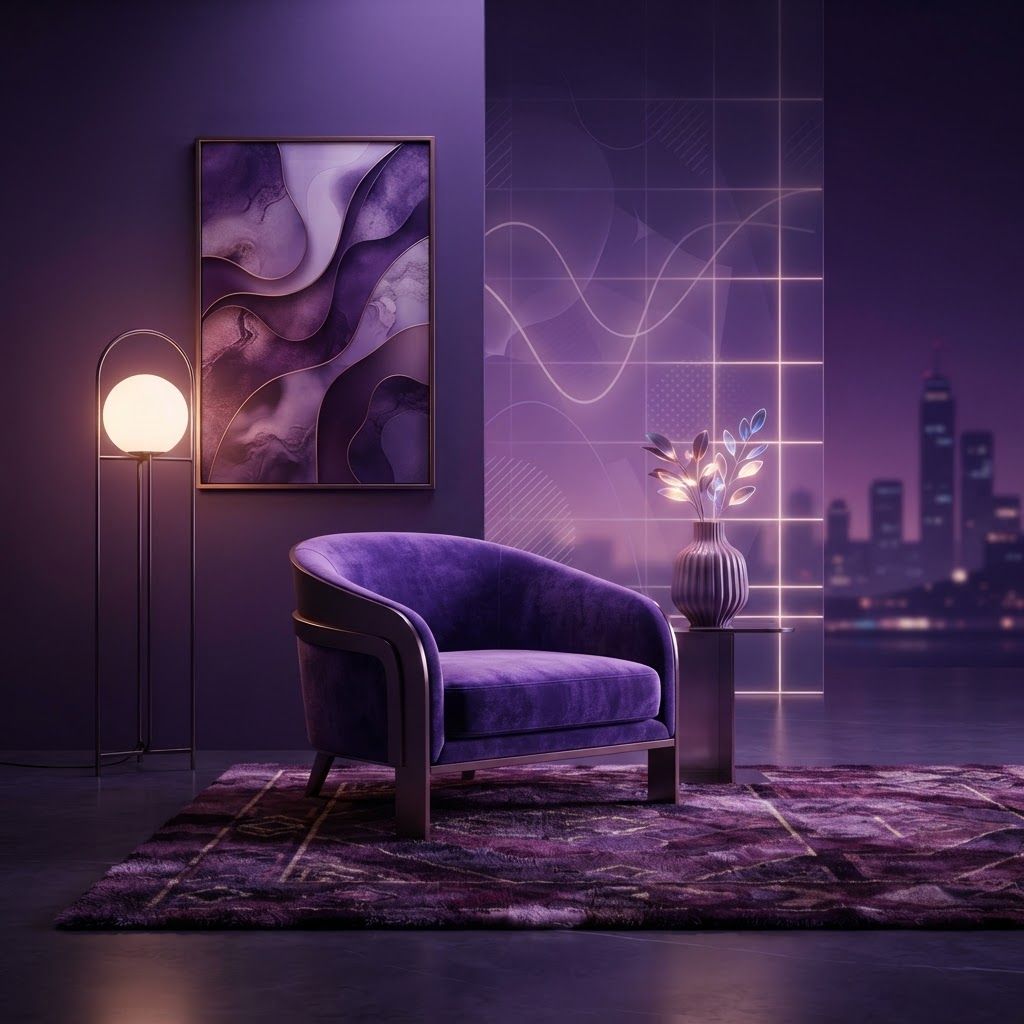
Why Decor Choices Outlast Trends
Furniture and decor are among the few purchases that are used daily for years, yet they are frequently chosen in a rush. A sofa is sat on every evening for a decade. A dining table absorbs family life. A rug takes the traffic of an entire household. The difference between a well-made piece and a poorly made one is not visible in a showroom photograph, but it becomes obvious after eighteen months of real use.
Spring Valley's decor market spans everything from large-format furniture showrooms to independent studios producing limited runs and specialist suppliers in lighting, textiles and art. The city's mix of newer builds with open-plan layouts and older homes with more defined rooms means there is genuine demand for both contemporary modular pieces and traditional, substantial furniture. Understanding which brands serve which style well saves a great deal of wasted shopping.
How to Judge Quality Before You Buy
For upholstered furniture, the frame is what matters most. Kiln-dried hardwood frames with corner blocks and joinery rather than staples will hold their geometry for decades. Suspension follows, with eight-way hand-tied springs or high-quality sinuous springs outperforming webbing. Cushion fill determines how the piece feels in year five, not year one, and high-resilience foam wrapped in down or fibre generally offers the best balance of comfort and recovery.
For case goods such as tables, sideboards and shelving, look for solid timber or high-grade veneer over engineered cores rather than thin laminate over particleboard. Drawer construction is a reliable tell: dovetailed or doweled joints with full-extension runners indicate a manufacturer that has not economised where it is hidden. In textiles, fibre content, weave density and rub-test ratings predict how a fabric will wear far better than appearance.
Lighting deserves specific attention because it changes how everything else reads. Colour temperature, colour rendering and dimming behaviour affect whether a room feels welcoming or clinical, and good lighting suppliers will discuss these rather than simply selling a fixture.
Ten Home Decor Brands and Showrooms in Spring Valley
Valley House Interiors operates a large showroom covering full-room schemes, with an in-house design service that helps clients coordinate upholstery, case goods and window treatments into a single plan.
Cedarline Furniture Company focuses on solid timber furniture built for longevity, offering dining tables, sideboards and bed frames in oak, walnut and ash with a choice of finishes.
Northgate Modern Living serves contemporary tastes with modular seating, low-profile storage and a strong lighting selection suited to open-plan spaces in newer Spring Valley developments.
Meridian Textiles and Rugs specialises in floor coverings and soft furnishings, carrying hand-knotted and machine-woven rugs alongside curtain and upholstery fabric with proper wear ratings.
Stonebridge Home Collection occupies the traditional end of the market, with substantial classic furniture, upholstered wing chairs and formal dining pieces that suit period properties.
Larkfield Studio is an independent maker producing small-batch furniture and decorative objects, valued by clients who want pieces that are not widely reproduced.
Ridgeway Lighting House concentrates entirely on illumination, from architectural downlighting through to decorative pendants, and advises on layering ambient, task and accent light.
Ashford Home and Garden Decor bridges interior and exterior, supplying outdoor furniture, planters and weather-resistant textiles for terraces and courtyards.
Brookhaven Art and Frame deals in original and limited-edition artwork with an in-house framing workshop, offering conservation-grade materials for pieces of value.
Willowmere Kitchen and Tableware covers the functional decorative layer, with ceramics, glassware, serving pieces and kitchen textiles from established manufacturers.
Current Directions in Interior Style
Several shifts have taken hold rather than passing through. Warmer, more saturated palettes have displaced the grey-dominated schemes of the previous decade, with terracotta, olive, ochre and deep plum appearing in both paint and upholstery. Natural materials are being used more honestly, with visible timber grain, unglazed ceramics, linen and stone favoured over high-gloss synthetics.
Layered and reconfigurable layouts have grown in importance as homes absorb more functions. Furniture that can be moved, extended or repurposed suits spaces that serve as office, dining room and living area across a single day. Meanwhile, curated rather than matched schemes are now the norm, combining a small number of quality anchor pieces with more expressive accessories that can change over time.
Building a Scheme Without Overspending
The most effective approach is to spend disproportionately on the pieces that carry the most use and the most visual weight. A sofa, a dining table, a bed frame and the main rug in a living space justify investment because they are used constantly and difficult to replace. Side tables, accessories, cushions and smaller decorative items can be far more modest without undermining the result.
Sequencing matters as much as budget. Establish the largest pieces and the floor covering first, since they set scale and palette, then build outward. Buying accessories before anchor furniture almost always leads to compromise, because the small items dictate decisions they should be following.
Measuring properly is the least glamorous and most valuable step. Plan the footprint of major pieces on the floor with tape, check circulation gaps of at least around ninety centimetres for main routes, and confirm that delivery access permits the piece to reach the room at all. Showroom scale is deceptive, and a sofa that looks moderate in a warehouse can dominate a living room.
Working With Showroom Design Services
Several Spring Valley showrooms offer design consultation, sometimes free with purchase. Used well, this is genuinely valuable: an experienced consultant will catch scale errors, suggest fabric appropriate to your household and coordinate finishes across rooms. The limitation is that they are working within one brand's catalogue, so the plan will inevitably be furnished from their inventory.
For a whole-home scheme or a renovation, an independent interior designer working across suppliers usually produces a better result, and their fee is often offset by trade pricing and avoided mistakes. For a single room refresh, showroom consultation is typically sufficient.
Practical Advice for Buyers
Sit on upholstery for longer than feels necessary before deciding. Ask specifically about frame material, suspension and cushion fill, and be wary of vague answers. Request fabric samples and live with them in your own light for several days, because showroom lighting flatters almost everything. Confirm lead times in writing, as custom upholstery commonly takes several months. Finally, clarify what the warranty actually covers and for how long, distinguishing frame coverage from fabric and foam.
Conclusion
The ten brands profiled here cover the practical range Spring Valley households need, from durable solid-timber makers and contemporary modular specialists to lighting, textiles, art and outdoor furnishing. Choosing well is less about following the current look than about matching construction quality to how each piece will actually be used, then building the scheme outward from a small number of considered anchors.