
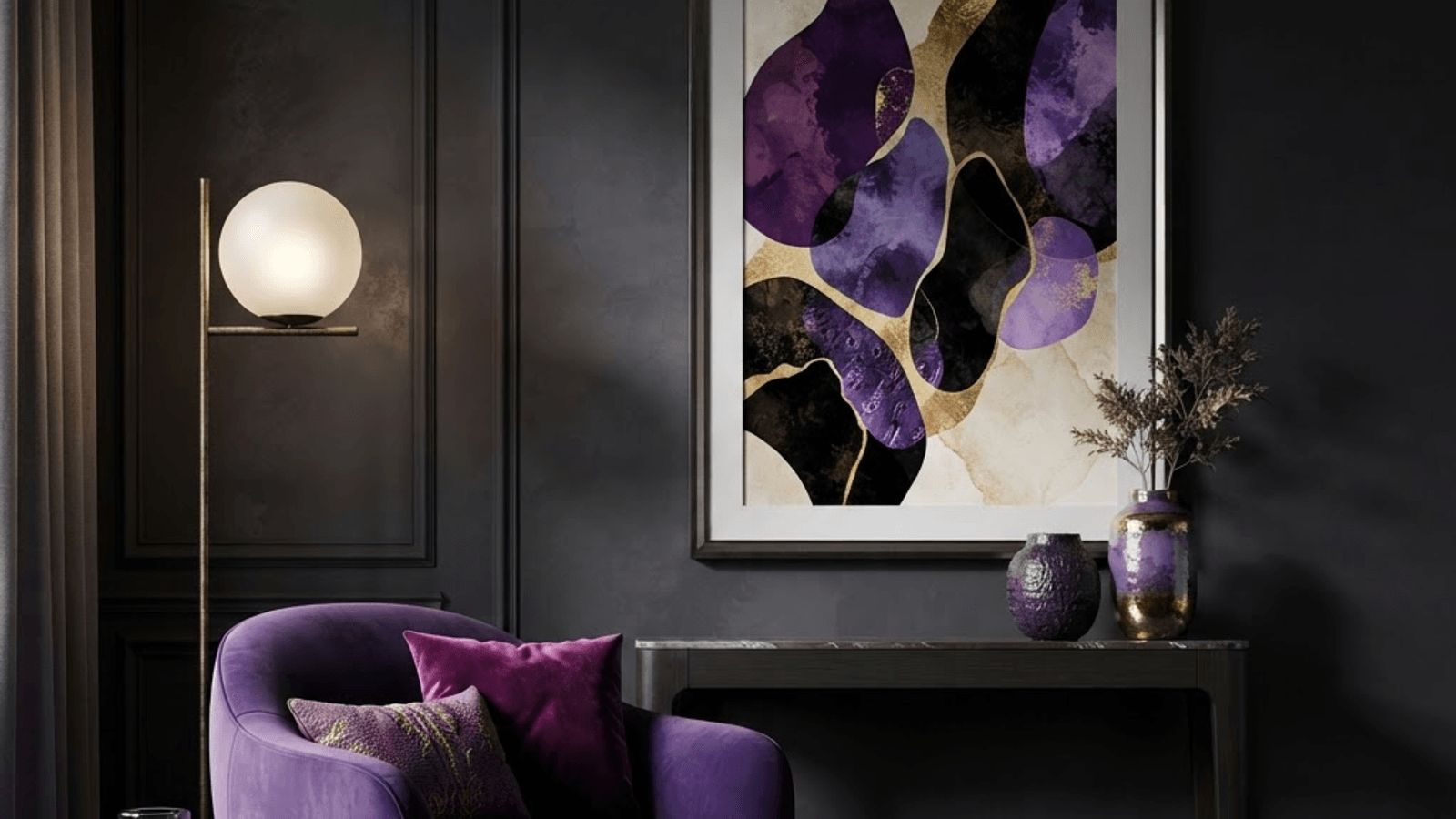
A Maturing Decor Market
Home decor shopping in Ontario has changed substantially. Buyers who once furnished a home in a single weekend at one big-box retailer now mix sources: a well-made sofa from a Canadian manufacturer, lighting from an independent studio, textiles from a specialty importer and accessories from local makers. That blended approach produces interiors with more personality and, when done carefully, better durability per dollar.
Condominium living has shaped the market too. With average unit sizes shrinking in Toronto, Ottawa and Mississauga, demand has grown for compact sectionals, extendable dining tables, storage-integrated beds and modular shelving. Meanwhile buyers in larger suburban and rural homes drive demand for substantial dining sets, sectional seating and outdoor furnishings that survive Ontario winters in a shed or under cover.
The Top 10 Home Decor Brands in Ontario
1. EQ3
A Canadian furniture brand with Ontario showrooms, EQ3 is known for clean contemporary design, domestically manufactured upholstery and extensive fabric customization.
2. Elte and Elte Market
A Toronto institution offering rugs, furniture and lighting across a broad price spectrum, with Elte Market positioned as the more accessible sibling to the flagship showroom.
3. Structube
Widely present across Ontario, Structube focuses on modern, affordable furniture and decor with a strong selection for smaller condominium layouts.
4. CB2 and Crate and Barrel
With locations in Toronto and surrounding areas, these brands supply contemporary furniture, tableware and decorative accessories with consistent design direction across collections.
5. Urban Barn
A Canadian retailer with Ontario stores offering approachable contemporary furniture, textiles and seasonal decor at mid-market pricing.
6. Kiosk Showroom
A Toronto retailer specializing in European design furniture and lighting, frequently used by designers sourcing statement pieces.
7. Hollace Cluny
A Toronto showroom representing international design brands, focused on high-end furniture, lighting and textiles for residential projects.
8. Bouclair
Present across Ontario, Bouclair concentrates on decor, window coverings, wall art and textiles, making it a practical source for finishing touches.
9. Mjölk
A Toronto design shop known for Scandinavian and Japanese influenced objects, ceramics and furniture, with an emphasis on craftsmanship and provenance.
10. Ontario Artisan Markets and Makers
Independent Ontario makers selling ceramics, woodwork, woven textiles and lighting at markets and studios across the province offer genuinely one-of-a-kind pieces that mass retailers cannot replicate.
Building a Coherent Interior
The most common decorating mistake is buying individually attractive items with no relationship to one another. A more reliable method is to establish a limited palette of three to five colours, choose one dominant material direction such as warm oak or blackened metal, and then allow variation within those constraints. Invest the largest share of budget in pieces used daily and difficult to replace, particularly seating and mattresses, and economize on accessories that can rotate as taste evolves.
Scale deserves equal attention. Rugs that are too small are the single most frequent proportion error in Ontario homes; a living room rug should generally sit under at least the front legs of all major seating. Ceiling height, window placement and traffic flow should drive furniture selection before aesthetics enter the conversation.
Materials That Suit Ontario Homes
Dry winter air from forced-air heating stresses solid wood furniture, causing panels to crack if humidity swings too widely. Quality kiln-dried hardwood and engineered panels handle this better than inexpensive solid slab construction. Performance fabrics have improved dramatically and now offer genuine stain resistance without the plastic hand feel of earlier generations, which matters in homes with children, pets and salt-tracked winter floors. Wool rugs outperform synthetics in resilience and warmth, an advantage in a province where floors are cold for half the year.
Supporting Local Design
Ontario has a substantial community of independent furniture makers, ceramicists, glass artists and textile designers concentrated in Toronto, Hamilton, Prince Edward County and the Kitchener-Waterloo region. Buying directly from studios often costs less than comparable imported design, shortens lead times, and produces pieces with a story attached. Seasonal design shows and artisan markets across the province are the most efficient way to discover these makers in person.
Practical Shopping Advice
Confirm lead times before committing, since custom upholstery frequently takes several months. Measure doorways, stairwells and elevators before ordering large pieces, a step condominium residents skip at their peril. Review return policies carefully, as custom and clearance items are usually final sale. Request fabric and finish samples to view under your own lighting, because showroom lighting distorts colour significantly.
Lighting, Textiles and Seasonal Adaptation
Decor in Ontario has to work through long, dark winters, which makes lighting and textiles more consequential than in milder climates. Relying on a single overhead fixture leaves rooms flat and cold from November through March. Layering table lamps, floor lamps and wall sconces at varying heights, all on dimmers, transforms how a space feels during short days. Bulb colour temperature should stay consistent within a room, and warmer tones suit evening living areas. Textiles do similar work: heavier curtains, wool throws and layered rugs add insulation and visual warmth in winter, then swap for lighter linens and cottons in summer. Keeping a small seasonal rotation of cushion covers and throws costs little, requires modest storage and refreshes a room twice a year without purchasing furniture.
Final Thoughts
Ontario offers unusually good access to both large-scale retailers and genuinely distinctive independent design. Anchor a room with a few well-made investment pieces, build a disciplined palette around them, and layer in local craftsmanship for character. The result outlasts trend cycles and feels considerably more personal than a showroom set purchased whole.