
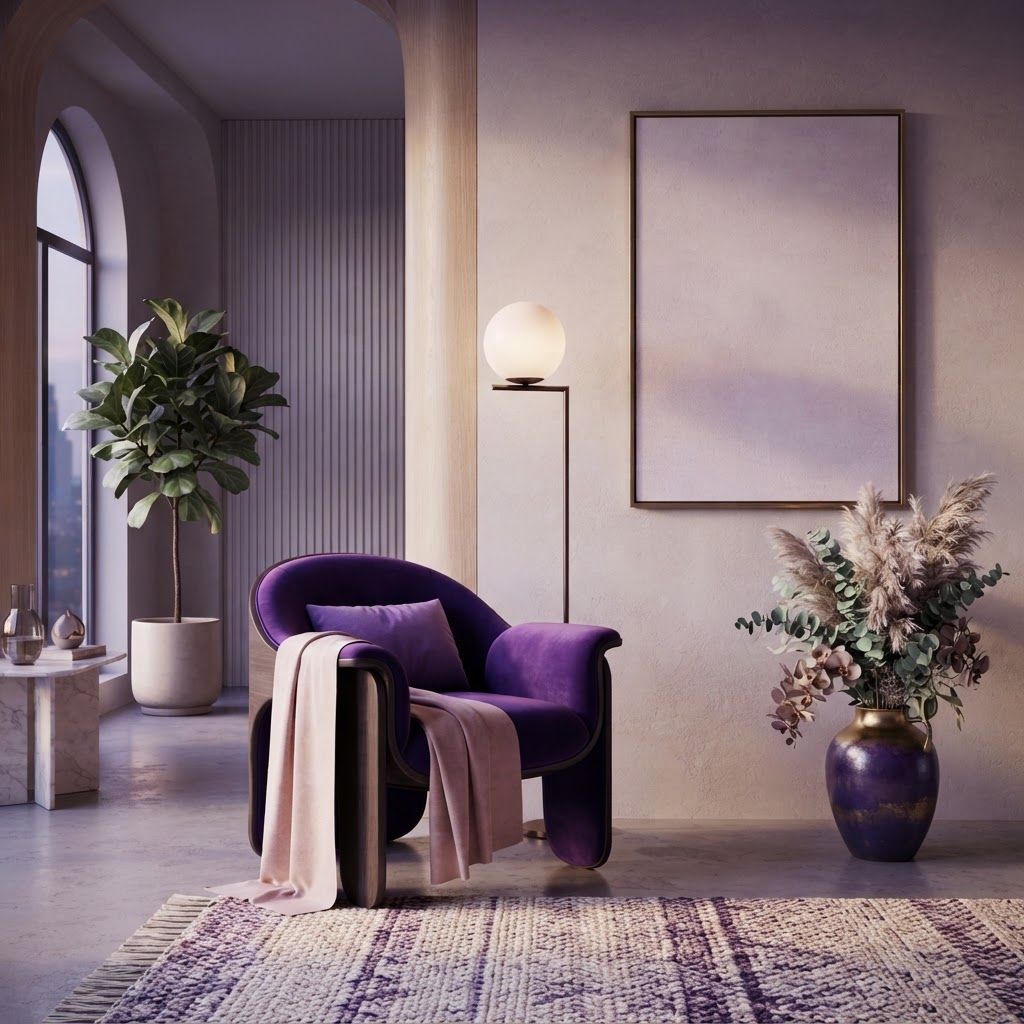
A City With Genuine Design Character
Lancaster's interiors culture is shaped by its housing. Stone-built cottages, Georgian townhouses, Victorian terraces and converted mills all have strong architectural personalities that resist generic furnishing. A sofa that looks perfect in a show home can feel entirely wrong beneath a beamed ceiling or against exposed brick. As a result, the decor brands that succeed here tend to offer either character-rich pieces or flexible, well-made basics that adapt to unusual rooms.
There is also a strong maker culture in the region, with independent workshops producing furniture, ceramics, textiles and lighting. Buying locally often means better materials, the ability to specify dimensions and finishes, and pieces that will not appear in every other home on the street.
Ten Home Decor Brands Worth Exploring in Lancaster
1. Castle Interiors Lancaster offers a full-service showroom covering upholstery, case goods, lighting and soft furnishings with an in-house design team.
2. Lune Valley Furniture Makers produces bespoke solid timber dining tables, sideboards and beds, built to customer dimensions.
3. Heritage Home Lancaster specialises in period-appropriate furnishings, including traditional fabrics, brass hardware and classic upholstery shapes.
4. Northgate Living focuses on contemporary Scandinavian-influenced pieces with clean lines and light timber finishes.
5. The Quayside Ceramics Studio creates handmade tableware, vases and decorative pieces fired locally in small batches.
6. Millhouse Textiles supplies curtains, blinds, cushions and upholstery fabric, with a strong selection of natural linens and wools.
7. Lamplight Design Company concentrates on lighting, from statement pendants to discreet architectural fittings and shades made to order.
8. Reclaim and Restore Lancaster sells restored vintage and antique furniture, offering character pieces with documented provenance.
9. Greenleaf Home Botanicals combines indoor plants, planters and natural styling accessories for biophilic interiors.
10. Studio Slate Home completes the list with a minimalist range of stone, concrete and metal accessories for modern interiors.
Building a Coherent Scheme
The most common decorating mistake is collecting individually attractive items that do not work together. A more reliable approach starts with a restrained base palette of two or three neutral tones applied to large surfaces, then introduces one or two accent colours through textiles and accessories, which are easy and inexpensive to change later.
Texture does more work than colour in most rooms, particularly in the softer northern light common across Lancaster. Combining wool, linen, timber, ceramic and stone creates depth even in a largely neutral scheme. Layering light matters equally: a single ceiling pendant flattens a room, whereas a combination of ambient, task and accent lighting gives it shape after dark.
Buying Furniture That Lasts
Construction quality is easier to assess than most people assume. On upholstery, look for a hardwood frame, sinuous spring or webbed suspension, and removable cushion covers. On case goods, check for solid timber or high-quality veneer over engineered board, dovetailed or dowelled drawer construction, and smooth runners.
Bespoke makers offer a particular advantage in older properties where standard sizes rarely fit. Alcoves, low ceilings, awkward window heights and narrow staircases all favour made-to-measure pieces, and the cost premium is often smaller than expected once delivery and modification costs of mass-produced alternatives are considered.
Decorating Around Period Features
Original features should lead the scheme rather than compete with it. Where cornice, picture rails, cast iron fireplaces or exposed beams exist, keeping furnishing lines simple allows the architecture to remain the focus. In rooms with strong period character, one contemporary piece can provide contrast effectively, whereas a mix of many competing styles tends to read as accidental.
In converted mill apartments and modern builds, the opposite applies. Neutral architectural shells benefit from bolder furniture, layered rugs, textured wall treatments and sculptural lighting to create the character the structure does not supply.
Sustainability and the Second-Hand Market
Interest in longevity has grown considerably. Reupholstering a well-built vintage frame frequently costs less than buying an equivalent-quality new sofa and produces a better result. Restored antique furniture offers solid timber construction at prices comparable to mid-range modern pieces, and it holds value far better.
Local makers also score well on environmental terms through shorter supply chains, responsibly sourced timber and repairable construction. Buying fewer, better pieces and keeping them longer remains the most sustainable approach to furnishing a home.
Practical Advice Before You Buy
Measure carefully, including access routes, stair turns and doorway widths, since delivery failure is a frequent and frustrating problem in older terraced properties. Always view fabric and paint samples in the actual room across different times of day, because northern light shifts colour perception significantly. Where possible, buy the large anchor pieces first and build accessories around them rather than the reverse.
Final Thoughts
Lancaster's decor brands offer an unusually good balance of craftsmanship, character and practicality. Whether the goal is a faithful period restoration or a clean contemporary interior, working with local makers and specialist retailers produces homes that feel considered rather than catalogued, and pieces that stay attractive long after passing trends have moved on.