
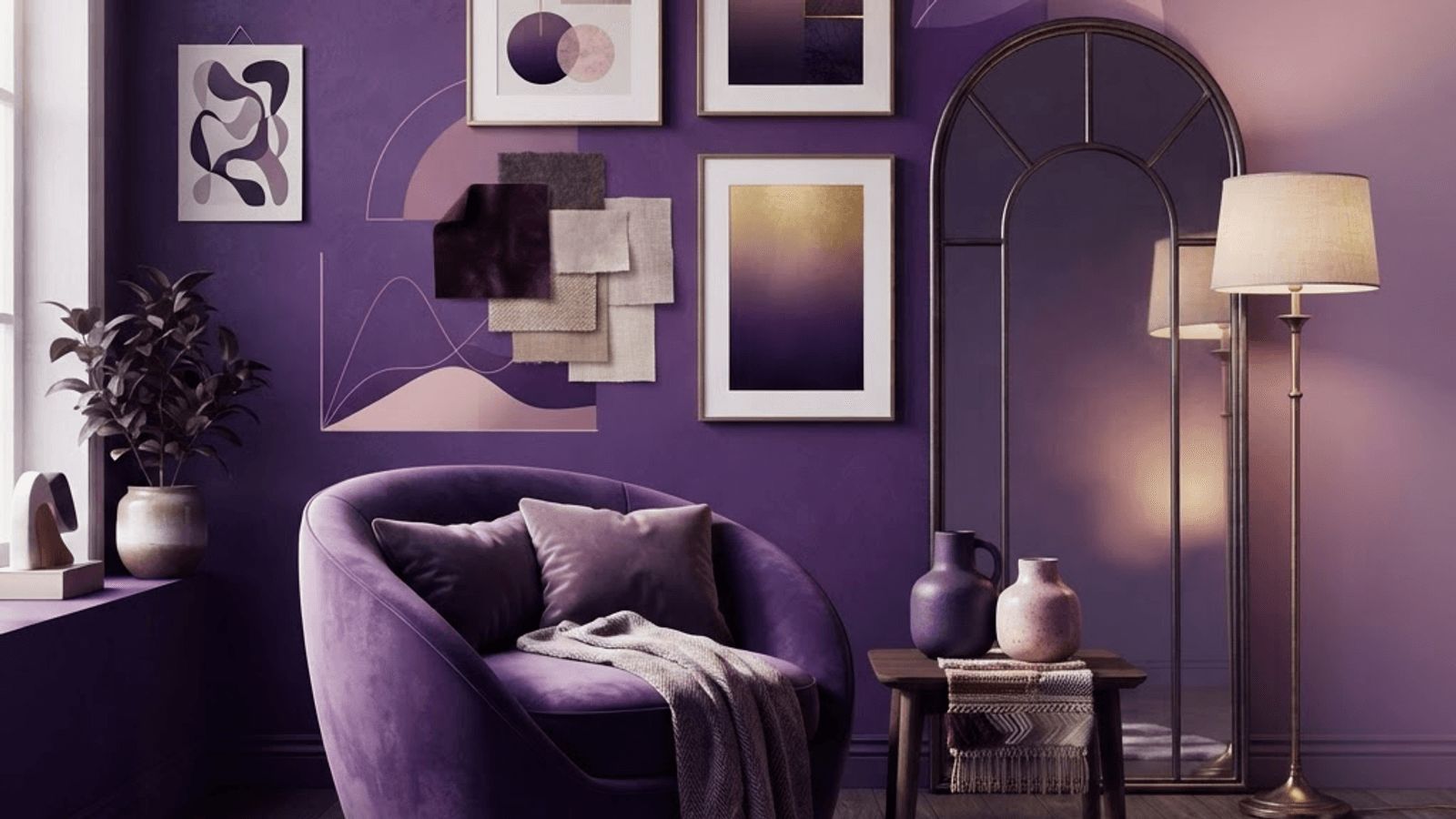
A Design Identity Shaped by Place
Home decor in Amarillo has a character that distinguishes it from metropolitan Texas markets. The Panhandle's ranching and railroad history, the enormous open sky, and the region's craft traditions have produced an aesthetic vocabulary that draws on leather, reclaimed wood, wrought iron, hand-thrown pottery, woven textiles, and warm earth tones. At the same time, newer construction in southwest Amarillo has pulled in transitional and modern styles, and the local market now supports everything from rustic western to clean contemporary minimalism.
The practical result is a decor scene with unusual breadth for a city of its size. National retailers supply scale and value, regional furniture chains cover mid-market quality, and a meaningful cohort of local artisans, antique dealers, and boutique shops provide the pieces that make a room feel specific rather than catalog-assembled. The most successful local interiors typically mix all three tiers.
National and Regional Retail Brands
For foundational furniture, the national brands available to Amarillo shoppers set the baseline. Ashley Furniture offers extremely broad selection across price points and is the volume leader in many markets. La-Z-Boy remains the reference point for upholstered recliners and sofas with configurable options and long-standing frame construction standards. Furniture Row concepts, including Sofa Mart and Denver Mattress, bundle multiple category showrooms in one location.
Home improvement and general retailers extend the picture. Home Depot and Lowe's supply lighting, ceiling fans, hardware, tile, and outdoor furniture. Target and Walmart carry accessible decor lines that have improved dramatically in design quality, with brands such as Threshold and Studio McGee collaborations bringing current styling at entry prices. Hobby Lobby is a significant decor destination locally, particularly for seasonal items, wall art, frames, faux botanicals, and craft materials. Kirkland's Home focuses squarely on accessories, mirrors, and wall decor. Bed Bath and Beyond successor concepts and HomeGoods-style off-price channels provide rotating inventory that rewards frequent visits.
Western Heritage and Artisan Makers
The category that gives Amarillo its distinct decor identity is western and ranch-inspired goods, and the anchor brands here are meaningful. Pendleton is the reference name in wool blankets and textiles, with pattern work rooted in Southwestern and Native American design traditions that suits Panhandle interiors naturally. Leather goods from established saddlery and boot traditions translate into upholstery, ottomans, and accessories with genuine durability. Cast iron and forged metalwork appear in lighting, curtain hardware, and furniture bases.
Locally, the Sixth Street antique district along historic Route 66 in the San Jacinto neighborhood is the center of the vintage and artisan market. The corridor's shops carry mid-century furniture, industrial salvage, western memorabilia, vintage signage, glassware, and repurposed architectural elements. For homeowners wanting pieces with provenance rather than reproduction, this district is the primary local resource. Regional craft fairs and holiday markets, along with the maker community around the Amarillo Museum of Art and the local arts scene, supply pottery, woven work, metal sculpture, and original painting that reflect Panhandle landscape and light.
Categories Worth Investing In
Not all decor spending returns equal value, and prioritization matters. Upholstered seating deserves the largest share of budget because it is used daily and frame quality determines lifespan. Look for kiln-dried hardwood frames, eight-way hand-tied or sinuous spring suspension, high-resiliency foam with down or fiber wrap, and performance fabrics that resist the fading Panhandle sunlight causes through south and west windows. Solution-dyed acrylics and treated polyesters hold color far better than untreated natural fibers.
Rugs are the second priority, since they define zones and absorb the sound that hard-surface flooring amplifies. Wool wears best and hides soil; flatweaves suit high-traffic paths; natural fiber rugs like jute add texture but handle moisture poorly. Lighting is the most underrated category. Layered lighting with ambient, task, and accent sources at multiple heights transforms a room more cheaply than furniture replacement. Window treatments matter functionally here, where intense sun and winter heat loss both argue for lined drapery or cellular shades rather than bare blinds.
Trends Shaping Local Interiors
Several currents are visible in Amarillo homes. Warm minimalism has largely replaced the cool gray palette that dominated the previous decade, bringing back creams, clay tones, rust, olive, and honeyed woods. Texture-forward design has grown, with bouclé upholstery, plaster and limewash wall finishes, unglazed ceramics, and woven wall hangings adding depth without pattern. Modern western, sometimes called desert modern, blends clean-lined furniture with leather, terracotta, and native botanical elements, and it suits the region's light and landscape particularly well.
Sustainability has become a genuine purchase driver. Interest in solid wood over particleboard, vintage and antique sourcing, reupholstery of good frames rather than replacement, and locally made goods reflects both environmental values and a reaction against disposable furniture. Meanwhile, home office and multifunctional room design remains a lasting change from the shift to hybrid work, driving demand for attractive storage, acoustic treatment, and furniture that works in video backgrounds.
Building a Cohesive Home
The most common decorating mistake is buying individual pieces without a plan, which yields rooms full of items that never resolve. A better process starts with a defined palette of three to five colors, one dominant neutral, one secondary tone, and one or two accents, applied consistently across rooms so sight lines feel continuous. Then establish a material story: perhaps oak, blackened metal, leather, and linen, and hold to it.
Scale discipline follows. Measure the room, tape furniture footprints on the floor, and confirm walkway clearances before ordering. Hang art at eye level and size it to roughly two-thirds the width of the furniture beneath. Choose one focal point per room and let everything else support it. Mix price tiers deliberately, spending on the sofa and rug while economizing on accessories that will rotate. Finally, leave room to grow. The most compelling homes accumulate meaningful objects over years rather than arriving complete in a single delivery.
Shopping Strategically
Time major furniture purchases around traditional sale periods, when retailers discount most aggressively. Ask about floor model discounts, which offer substantial savings on pieces with minor wear. Verify delivery lead times before committing, since custom upholstery often runs many weeks. Confirm return and restocking policies, and inspect deliveries before signing. For antiques and vintage pieces, examine joinery, check for structural repair, and evaluate whether reupholstery cost makes the total realistic.
Consider working with a local interior designer for larger projects. Many offer hourly consultations rather than full-service contracts, and a few hours of professional guidance on layout, palette, and lighting frequently prevents costly mistakes that exceed the fee.
Final Perspective
Amarillo's home decor market rewards shoppers who combine national retail value on foundational pieces, well-made regional and western heritage goods for character, and local artisan and vintage finds for genuine distinction. Invest where use is heaviest, define a palette and material story before buying, respect scale, and choose sun-resistant fabrics given the Panhandle light. The result is a home that reflects both current design thinking and the specific character of the high plains.