
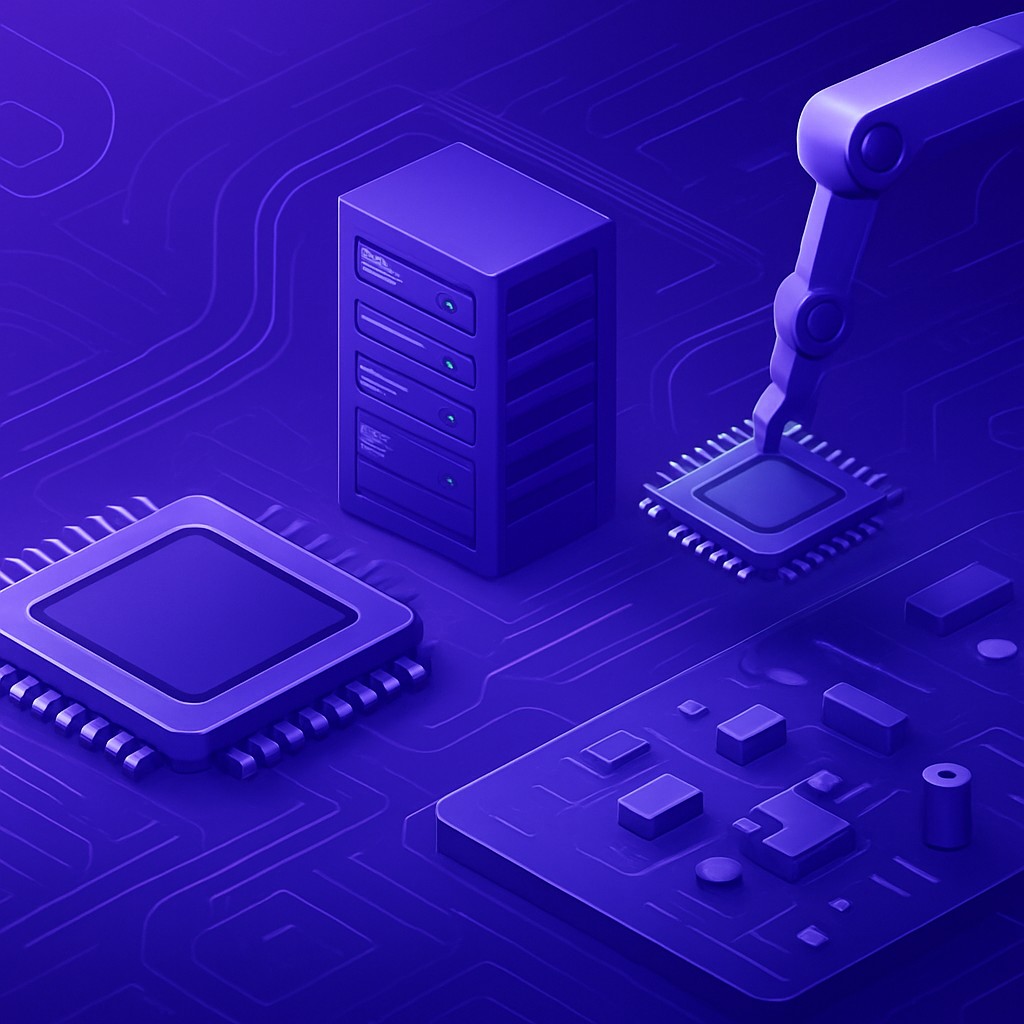
The Rise of Hardware Manufacturing in Niger
Niger, a vast landlocked nation in West Africa, is experiencing a quiet but meaningful transformation in its technology sector. While the country has historically relied on imported electronics, a new generation of hardware manufacturers, assemblers, and distribution specialists is helping to localize parts of the supply chain. These businesses range from companies that assemble desktop systems and servers to firms that produce networking equipment, solar-powered electronics, and rugged devices suited to the Sahel climate.
Demand for durable, affordable, and locally serviceable hardware has grown alongside the expansion of mobile connectivity, public administration digitization, and small business computing. Manufacturers that understand the realities of dust, heat, and intermittent power supply have a distinct advantage in Niger's market.
What Makes a Great Hardware Manufacturer
Choosing a hardware manufacturer in Niger involves more than comparing prices. Reliability, after-sales support, warranty coverage, and the availability of spare parts are critical. Because many regions experience power fluctuations, manufacturers that integrate surge protection, energy-efficient components, and solar compatibility tend to earn customer loyalty. Quality assurance, certified components, and responsive technical teams further distinguish the strongest players.
Leading Hardware Manufacturers and Assemblers
1. Sahel Tech Assembly has built a strong reputation for assembling desktop computers and workstations tailored to office and educational use. The company emphasizes heat-resistant casing and energy-efficient power supplies designed for the local environment.
2. Niger Digital Hardware focuses on networking equipment, including routers, switches, and access points used by internet service providers and enterprises expanding connectivity across urban and semi-urban areas.
3. Tenere Electronics specializes in solar-powered devices and energy storage hardware, an increasingly important category given Niger's abundant sunlight and the need for off-grid solutions in rural communities.
4. Niamey Computing Works provides custom-built servers and storage systems for businesses, government offices, and data centers, with a strong emphasis on maintenance contracts and rapid part replacement.
5. Sahara Components Group distributes and assembles peripheral hardware such as monitors, keyboards, and uninterruptible power supplies, bundling them into ready-to-deploy office kits.
6. Air Mountain Devices has carved out a niche in rugged tablets and field devices designed for agricultural cooperatives, logistics teams, and humanitarian organizations operating in remote regions.
7. Zinder Hardware Solutions serves the eastern regions with locally assembled point-of-sale systems and small business computing bundles, supporting the country's growing retail and commerce sector.
8. Maradi Tech Manufacturing is recognized for its affordable entry-level desktops aimed at students and first-time computer owners, paired with accessible service centers.
9. Nile Valley Systems assembles industrial control hardware and monitoring equipment for utilities, mining operations, and manufacturing facilities.
10. Agadez Electronics Lab rounds out the list with a focus on prototyping, repair, and the assembly of specialized electronic components for emerging local startups and innovators.
Industry Trends Shaping the Sector
Several trends are influencing hardware manufacturing in Niger. The most significant is the push toward energy resilience. With solar adoption accelerating, manufacturers that integrate renewable power compatibility into their products are well positioned for long-term growth. Another trend is the localization of assembly, which reduces import costs, shortens delivery times, and creates skilled jobs.
Refurbishment and repair services are also expanding. Rather than discarding aging equipment, businesses and households increasingly seek manufacturers that can upgrade, repair, and extend the life of hardware. This circular approach aligns with both economic realities and environmental responsibility.
Benefits of Choosing Local Manufacturers
Working with locally based hardware manufacturers offers tangible advantages. Customers benefit from faster support, easier access to spare parts, and products tailored to local conditions. Local manufacturers also understand language preferences, payment expectations, and the logistical challenges of serving widely dispersed communities. For institutions such as schools, clinics, and government agencies, these relationships translate into reliable, long-term partnerships.
Challenges and Opportunities
The sector still faces challenges, including dependence on imported raw components, limited access to financing, and the need for more specialized technical training. However, these challenges also represent opportunities. Investment in vocational education, partnerships with regional suppliers, and supportive policies could significantly strengthen domestic manufacturing capacity.
As digital transformation continues across public services, education, agriculture, and commerce, demand for dependable hardware will only increase. Manufacturers that combine durability, affordability, and strong service will be central to Niger's technological progress.
Conclusion
Niger's hardware manufacturing ecosystem is young but promising. The companies highlighted here represent the diverse capabilities emerging across the country, from solar electronics and rugged field devices to enterprise servers and networking gear. For businesses, institutions, and individuals seeking reliable equipment, partnering with manufacturers that prioritize quality, local support, and energy resilience is a smart strategy. As the sector matures, these manufacturers will play a vital role in building a more connected and self-reliant Niger.