
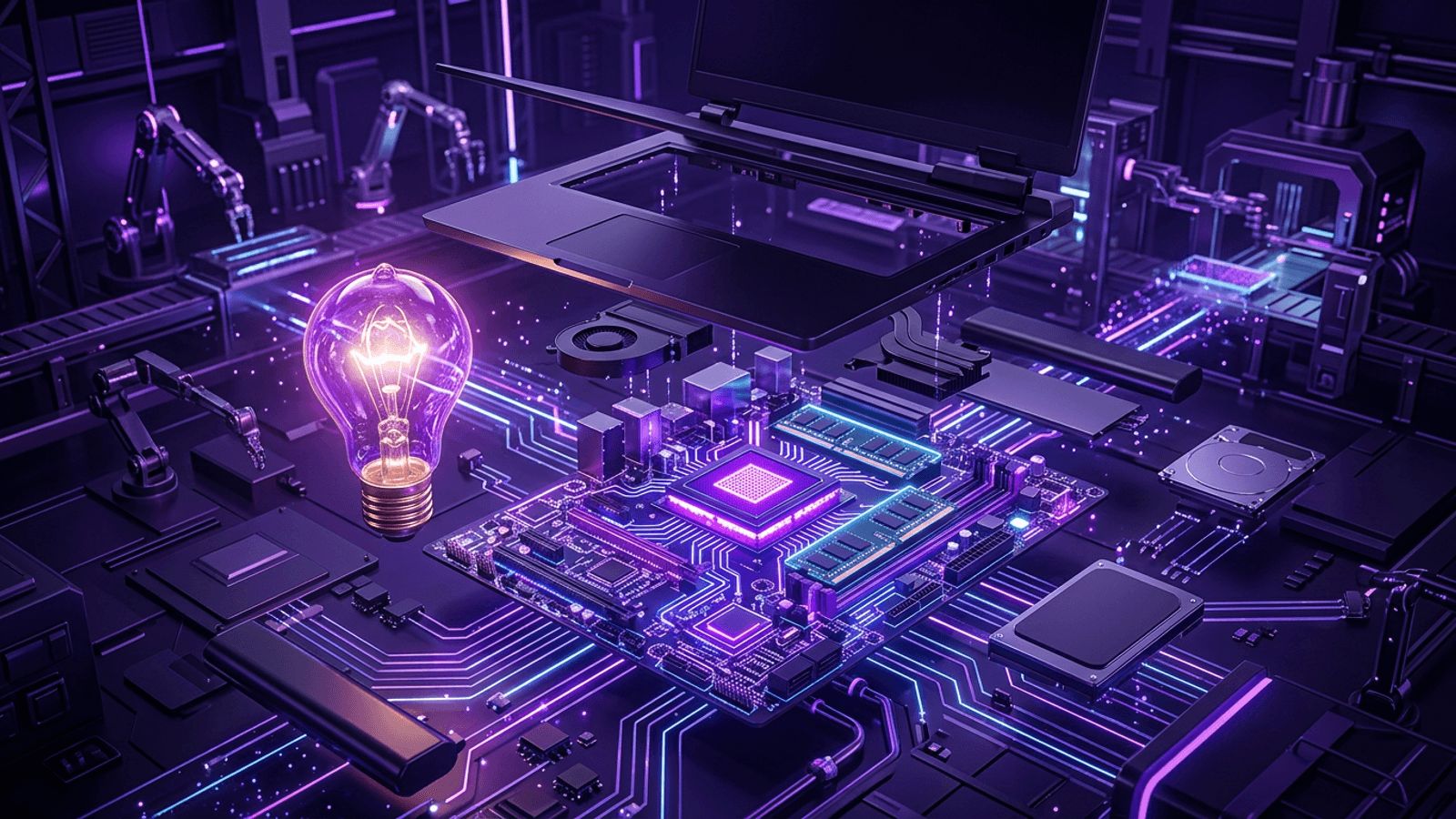
Hardware Innovation in the Home of the Light Bulb
Edison's identity is closely tied to hardware innovation. Thomas Edison's Menlo Park laboratory produced inventions that reshaped daily life, and the Thomas Edison Center at Menlo Park preserves that legacy with its memorial tower topped by a giant light bulb. Today, hardware innovation continues to power the township's businesses, schools, and households.
Edison's businesses rely on computers, servers, networking equipment, and devices to operate efficiently. Its technology professionals deploy and manage hardware for enterprises across New Jersey and New York. Choosing reliable hardware manufacturers is essential for performance, security, and long-term value.
How We Ranked These Manufacturers
We considered product quality, reliability, innovation, performance, support services, sustainability efforts, enterprise adoption, and availability for businesses and consumers in Edison.
The Top 10 Hardware Manufacturers
1. Apple
Apple designs premium hardware including the iPhone, Mac, iPad, and Apple Watch. Its custom silicon chips deliver impressive performance and energy efficiency. Edison professionals and creatives value Apple devices for their design, ecosystem integration, and security features.
2. Dell Technologies
Dell Technologies offers laptops, desktops, servers, and storage solutions for consumers and enterprises. Its business-focused product lines and strong support services make it a top choice for corporate IT departments throughout New Jersey.
3. HP Inc.
HP Inc. produces personal computers, printers, and workplace solutions. Its business laptops and printing technologies are widely used in Edison offices, schools, and homes. HP's security features help protect business devices.
4. Lenovo
Lenovo is the world's largest PC manufacturer by volume. Its ThinkPad laptops are legendary for durability and keyboard quality. Lenovo also produces servers, tablets, and smartphones, serving businesses and consumers globally.
5. NVIDIA
NVIDIA designs graphics processing units that power gaming, professional visualization, and artificial intelligence. Its data center GPUs drive the AI revolution, while its consumer graphics cards are popular among gamers and creators.
6. Intel
Intel has been a foundational processor manufacturer for decades. Its chips power a large share of the world's computers and servers. Intel continues to invest in advanced manufacturing and AI-capable processors.
7. AMD
AMD produces high-performance processors and graphics chips for PCs, servers, and gaming consoles. Its Ryzen and EPYC processors have earned strong market share thanks to impressive performance and efficiency.
8. Cisco
Cisco is a global leader in networking hardware, including routers, switches, and wireless access points. Businesses rely on Cisco equipment to build secure, reliable networks. Its products are standard in enterprise environments across the region.
9. Samsung Electronics
Samsung Electronics manufactures smartphones, televisions, memory chips, displays, and appliances. Its leadership in memory and storage technology makes it a critical supplier for the global tech industry, and its US headquarters is located in New Jersey.
10. Hewlett Packard Enterprise
Hewlett Packard Enterprise provides servers, storage, networking, and hybrid cloud solutions for businesses. Its enterprise infrastructure and edge computing products help organizations manage complex workloads.
Hardware Trends Affecting Edison Businesses
AI-capable PCs with dedicated neural processing units are becoming mainstream, enabling AI features to run locally on devices. Demand for powerful GPUs continues to grow as businesses adopt AI. Sustainability is influencing purchasing decisions, with manufacturers using recycled materials and offering take-back programs. Hybrid work has increased demand for high-quality laptops, monitors, webcams, and collaboration devices.
Supply chain resilience and chip manufacturing have also become strategic priorities. Investment in domestic semiconductor production is reshaping the global hardware landscape.
Choosing Business Hardware
Evaluate performance needs based on employee roles and workloads. Consider total cost of ownership, including warranty, support, and lifespan. Standardizing on a limited number of models simplifies management and security. Look for business-grade security features such as hardware encryption and secure boot. Plan regular refresh cycles to maintain productivity and security.
Responsible Hardware Disposal
When retiring hardware, ensure data is securely erased before disposal or resale. Use certified electronics recycling programs to minimize environmental impact. Many manufacturers and retailers offer trade-in and recycling programs that help businesses dispose of old equipment responsibly.
Frequently Asked Questions
How often should a business replace its computers?
Many businesses refresh laptops and desktops every three to five years, depending on usage and performance needs. Older devices may no longer receive security updates, which increases risk. Planning regular refresh cycles helps maintain productivity and protect company data.
What is an AI PC?
An AI PC includes a dedicated neural processing unit alongside the main processor and graphics chip. This allows AI features such as background blur, transcription, and intelligent assistants to run efficiently on the device, improving speed, battery life, and privacy.
Where can I learn about Edison's inventor heritage?
The Thomas Edison Center at Menlo Park in Edison preserves the site of the famous laboratory and offers exhibits celebrating the inventions that shaped modern technology.
Final Thoughts
In the township named after one of history's greatest inventors, hardware innovation remains essential. Manufacturers like Apple, Dell, Lenovo, NVIDIA, and Cisco provide the devices and infrastructure that keep Edison businesses productive and connected. By choosing reliable hardware and planning thoughtfully, organizations can build a strong technology foundation for the future.