
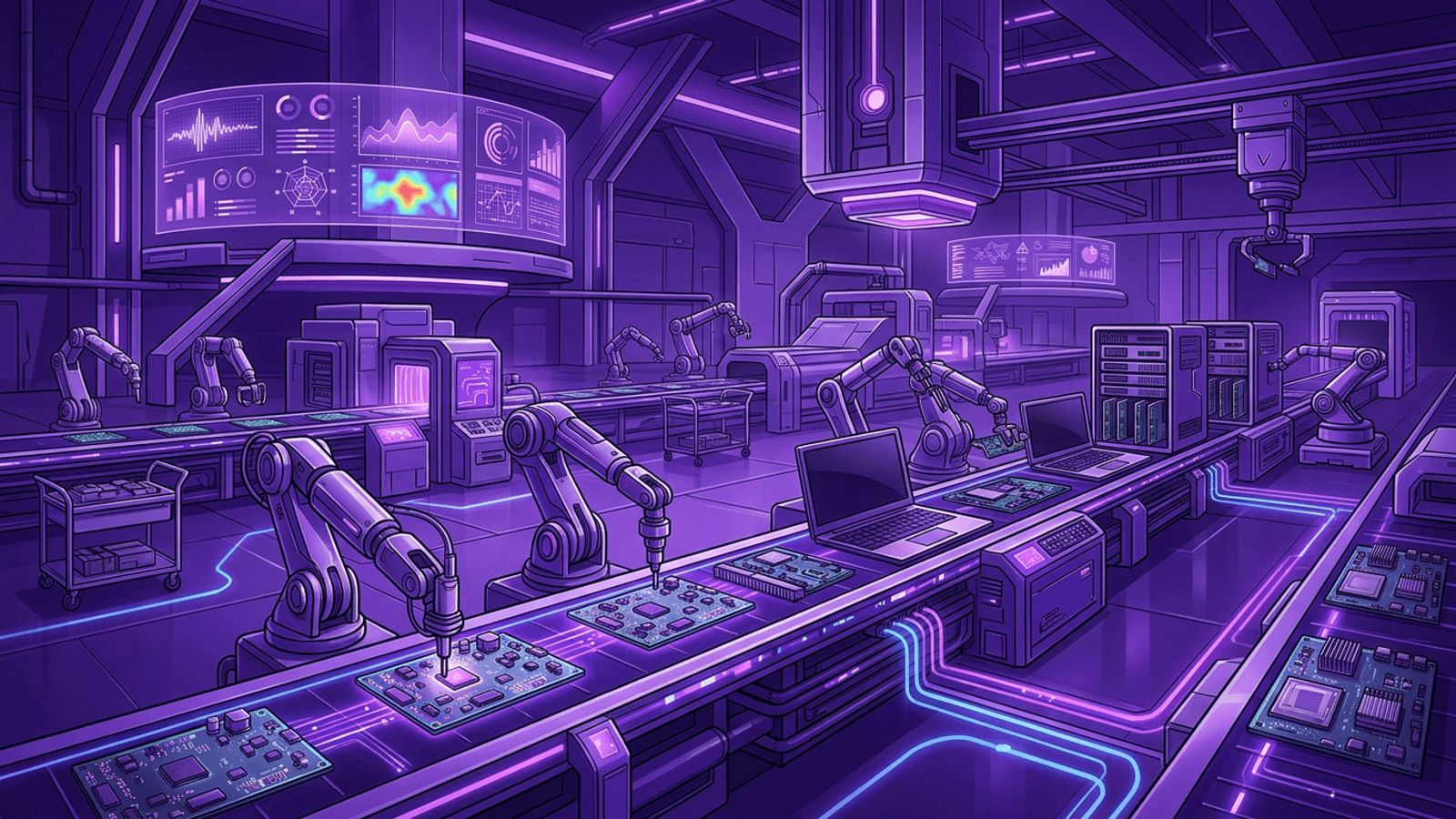
Behind every app, cloud service, and digital experience is physical hardware. Laptops, phones, servers, networking equipment, and semiconductors form the backbone of modern life. In Edinburg, students rely on laptops and tablets, hospitals depend on servers and medical devices, and businesses run on computers and networks. Choosing reliable hardware brands helps organizations reduce downtime and get better value from their technology investments.
Hardware and the Rio Grande Valley Economy
Edinburg's location places it near one of North America's most important manufacturing corridors. Across the border, industrial parks in Reynosa host electronics, automotive, and medical device manufacturing that support supply chains throughout the United States. Distribution and logistics companies across Hidalgo County help move components and finished products. Meanwhile, Texas has become a national center for semiconductor investment, with major facilities in Austin, Dallas, and Taylor. These trends create career and business opportunities for Valley residents.
How We Selected These Manufacturers
We evaluated hardware manufacturers based on product reliability, innovation, support, availability in Texas, and relevance to businesses, schools, and consumers in Edinburg. Many have significant operations in Texas, strengthening the state's technology economy.
The Top 10 Hardware Manufacturers
1. Dell Technologies
Headquartered in Round Rock, Texas, Dell is a leading manufacturer of laptops, desktops, servers, and storage systems. Its business support services and wide product range make it a favorite among schools, hospitals, and businesses across the state.
2. HP
HP produces laptops, desktops, printers, and workplace technology. Its printers and business laptops are found in offices throughout Edinburg. HP's focus on security features and managed print services appeals to organizations of every size.
3. Lenovo
Lenovo is one of the world's largest PC makers, known for its ThinkPad business laptops and affordable consumer devices. Its North American operations and strong education offerings make it popular with school districts.
4. Apple
Apple designs iPhones, Macs, iPads, and wearables known for premium design and tight integration. Apple has a large campus in Austin, and its devices are popular with students, creative professionals, and healthcare workers in the Valley.
5. Texas Instruments
Dallas-based Texas Instruments is a leading maker of analog and embedded semiconductors used in cars, appliances, industrial equipment, and medical devices. Its calculators are also familiar to generations of Texas students. TI's continued investment in Texas manufacturing strengthens the state's chip industry.
6. Samsung
Samsung manufactures smartphones, displays, memory chips, and appliances. Its semiconductor investments in Texas, including facilities in Austin and Taylor, make it a major contributor to the state's technology future.
7. Intel
Intel designs and manufactures processors that power many personal computers and data center servers. It has a significant engineering presence in Texas. Intel processors remain common in business and education devices.
8. AMD
AMD, with a large campus in Austin, produces high-performance processors and graphics chips for PCs, gaming, and data centers. Its chips have gained market share thanks to strong performance and efficiency.
9. Cisco
Cisco manufactures networking equipment, including routers, switches, and wireless access points. Businesses, universities, and hospitals in Edinburg depend on reliable networking, and Cisco remains a dominant choice for enterprise environments.
10. LG Electronics
LG produces televisions, displays, appliances, and monitors. The company has long operated manufacturing in northern Mexico, illustrating how border-region production connects to markets across the United States. Its products are found in homes and businesses throughout the Valley.
Hardware Trends Shaping Edinburg
AI-capable laptops with dedicated processing chips are becoming mainstream. Organizations are prioritizing energy-efficient servers and devices to control costs. Nearshoring is bringing more manufacturing closer to the U.S.-Mexico border, creating opportunities for logistics and engineering jobs in the region. Schools continue to expand one-to-one device programs, increasing demand for durable and affordable laptops.
Frequently Asked Questions
How often should businesses replace computers?
Many organizations replace laptops and desktops every three to five years, depending on usage and performance needs. Older devices may lack security updates and slow productivity. Planning replacement cycles helps spread costs evenly over time.
Are business-grade laptops worth the extra cost?
Business models typically offer stronger build quality, better security features, longer warranties, and easier management. For organizations with many users, these advantages often reduce support costs and downtime.
What should be considered when buying servers?
Consider workload requirements, scalability, energy usage, support coverage, and whether cloud services might be a better fit. Many organizations now use a mix of on-site servers and cloud resources.
Final Thoughts
Hardware remains the foundation of digital life in Edinburg. The manufacturers on this list deliver reliable devices, chips, and infrastructure that power homes, schools, hospitals, and businesses. With Texas emerging as a semiconductor leader and the border region playing a growing role in manufacturing, the Rio Grande Valley is well positioned to benefit from the future of hardware innovation.