
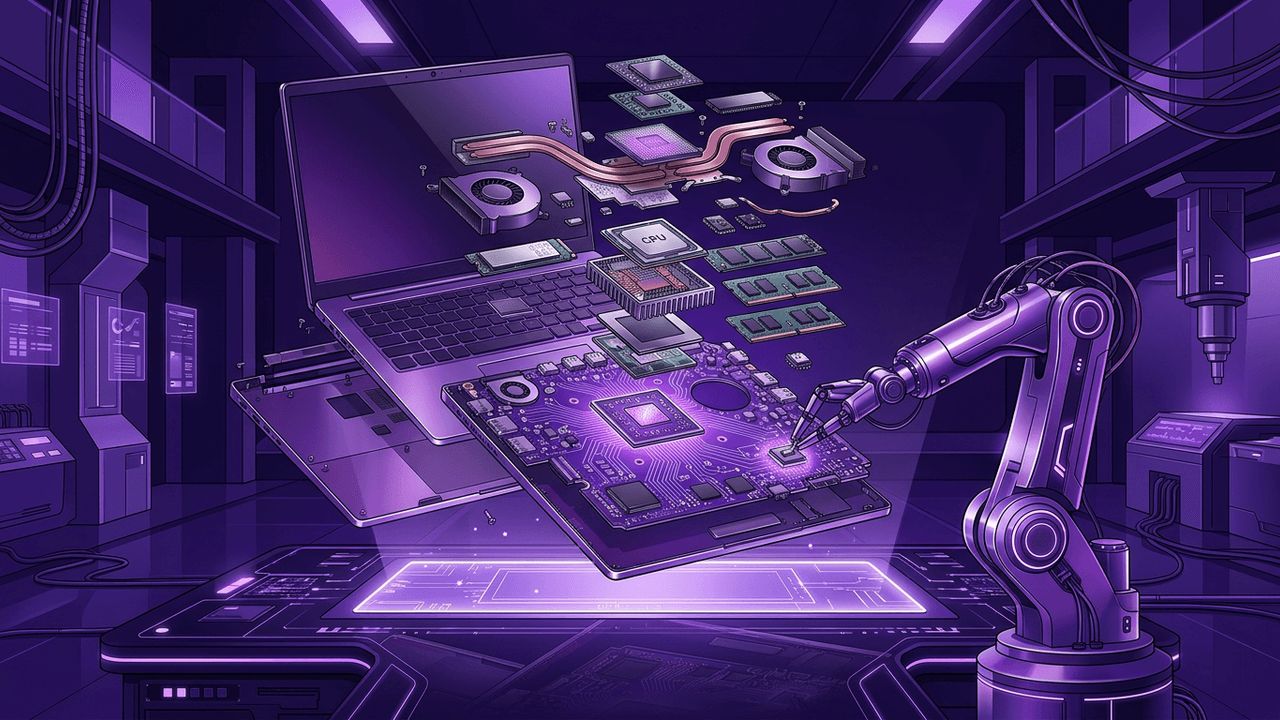
The Hardware Behind Amherst's Innovation
Every lecture streamed, research simulation run, and online order placed in Amherst depends on physical technology. Laptops, servers, processors, sensors, and networking equipment form the foundation of modern life. For students, choosing a reliable laptop is a major decision. For researchers, access to powerful computing hardware can determine the pace of discovery. For businesses, dependable devices keep operations running.
Massachusetts has a proud hardware legacy, with companies specializing in semiconductors, audio technology, and robotics. This guide highlights ten hardware manufacturers whose products serve Amherst's students, institutions, and businesses, combining global industry leaders with notable Massachusetts innovators.
What to Consider When Choosing Hardware
Reliability, performance, and support are essential. Students need portable, durable laptops with long battery life. Researchers require high-performance processors and graphics cards. Businesses value warranties, security features, and ease of management. Sustainability, including energy efficiency and recycling programs, is increasingly important to environmentally conscious buyers in Amherst.
The Top 10 Hardware Manufacturers
1. Apple
Apple's MacBook, iPad, and iPhone lines are extremely popular on Amherst campuses. Its custom silicon chips deliver impressive performance and battery life, while its education pricing makes devices more accessible to students and faculty.
2. Dell Technologies
Dell offers laptops, desktops, servers, and storage solutions for consumers and enterprises. Its Latitude and XPS lines are common in academic and business settings, and its server infrastructure supports research computing.
3. HP
HP manufactures laptops, desktops, printers, and accessories widely used in offices and classrooms. Its business-focused devices include strong security features, and its printers remain staples in campus libraries.
4. Lenovo
Lenovo's ThinkPad laptops are known for durability and excellent keyboards, making them favorites among students and professionals. The company also produces servers and workstations used in research environments.
5. Intel
Intel designs and manufactures processors that power many of the world's computers. Its chips are found in laptops, desktops, and servers across Amherst, and its investments in advanced manufacturing continue to shape the industry.
6. AMD
AMD produces high-performance CPUs and GPUs for consumers, gamers, and data centers. Its Ryzen and EPYC processors offer strong value and performance, making them popular for both personal and research computing.
7. NVIDIA
NVIDIA's graphics processors are essential for gaming, design, and artificial intelligence research. University labs rely on NVIDIA hardware to train machine learning models and run complex simulations.
8. Analog Devices
Headquartered in Wilmington, Massachusetts, Analog Devices is a global leader in semiconductors that convert real-world signals into digital data. Its chips are used in healthcare devices, automotive systems, and industrial equipment.
9. Bose
Based in Framingham, Massachusetts, Bose is renowned for audio innovation, including noise-cancelling headphones and speakers. Its products are popular with students seeking focus while studying and with professionals who travel frequently.
10. iRobot
Founded by roboticists from MIT and headquartered in Bedford, Massachusetts, iRobot created the Roomba robotic vacuum. Its work demonstrates how robotics research can translate into practical consumer products used in homes across Amherst.
Hardware Trends Shaping the Industry
Custom silicon designed for specific tasks, such as AI acceleration, is transforming computing performance. Energy-efficient chips are extending battery life and reducing environmental impact. Repairability and modular design are gaining attention as consumers and policymakers push for longer-lasting devices. Edge computing hardware is enabling smarter sensors and devices in agriculture, healthcare, and smart buildings.
Buying Tips for Students and Businesses
Students should check their program's recommended specifications and take advantage of education discounts. Extended warranties and accidental damage protection are worthwhile for devices carried around campus daily. Businesses should standardize devices to simplify support and consider leasing programs to manage costs. Always recycle old electronics responsibly through manufacturer or local programs.
Frequently Asked Questions
Should students buy a Mac or a Windows laptop? It depends on coursework and personal preference. Some engineering and computer science programs require specific software that runs best on Windows or Linux, while creative fields often favor Macs. Checking program recommendations before purchasing is wise.
How long should a laptop last? A quality laptop typically lasts four to five years with proper care. Choosing adequate memory and storage at purchase helps extend its useful life throughout a full degree program.
Why do researchers need specialized hardware? Tasks such as training AI models, running climate simulations, and analyzing genomic data require powerful processors and graphics cards that far exceed the capabilities of standard computers.
How can old devices be recycled responsibly? Many manufacturers offer trade-in and recycling programs, and local electronics recycling events help keep hazardous materials out of landfills while recovering valuable components.
Is refurbished hardware a good option? Certified refurbished devices often offer excellent value with warranties.
Final Thoughts
Hardware is the foundation that makes digital innovation possible. These ten manufacturers, including several Massachusetts-based leaders, provide the devices and components that power learning, research, and business in Amherst, helping the community stay connected and productive.