
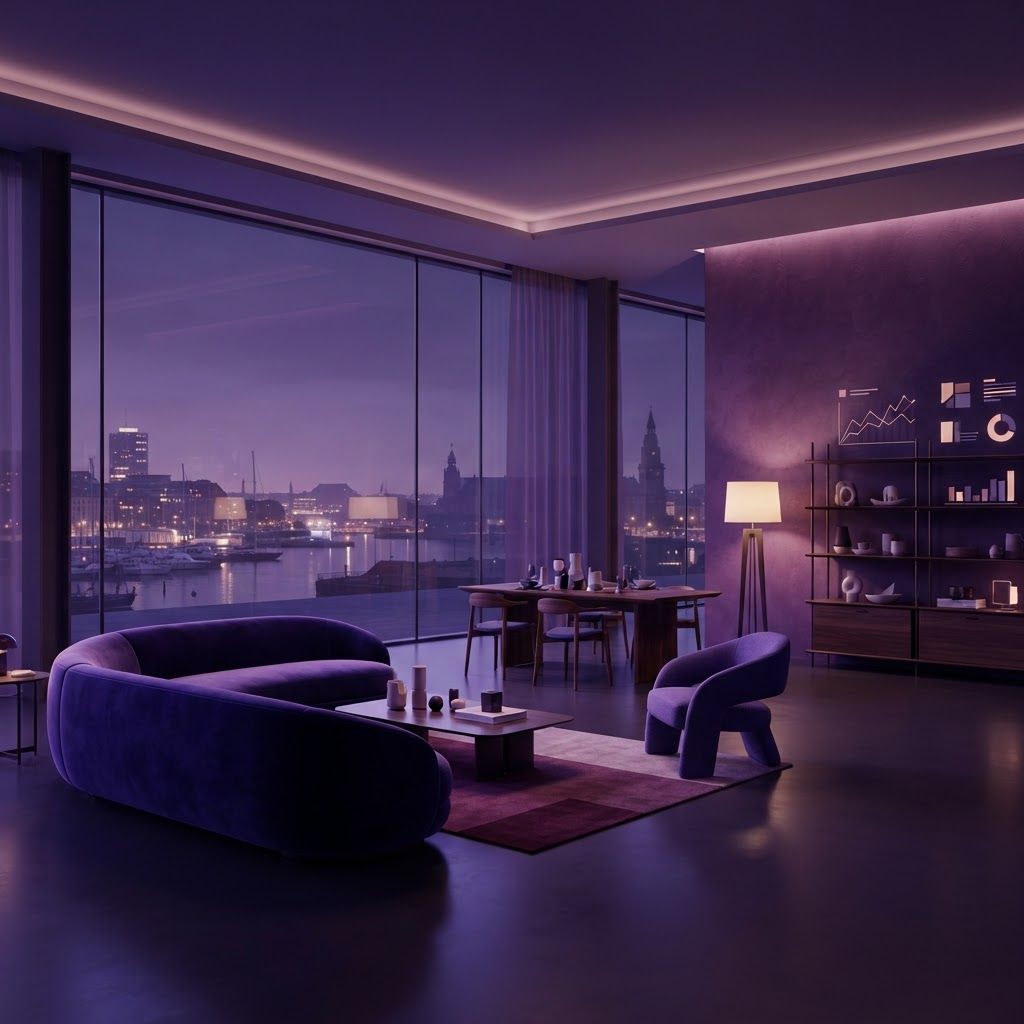
Furnishing a Home in a Historic Coastal City
Norfolk's housing stock is remarkably varied, and that shapes how people buy furniture. Freemason and Ghent contain historic homes with tall ceilings, narrow staircases and irregular room shapes. Downtown and the waterfront districts offer modern apartments where scale and multifunctionality matter. Suburban neighbourhoods support conventional full room sets. A furniture retailer serving this city needs to handle all three situations, including the logistics of getting a sofa up a nineteenth century stairwell.
Climate matters just as much. Sustained humidity can warp poorly seasoned solid wood, weaken particle board and encourage mildew in dense upholstery. Retailers that understand kiln dried hardwood, performance fabrics and moisture tolerant finishes give customers furniture that lasts, and that expertise separates the stores below from the rest.
The 10 Best Furniture Stores in Norfolk
1. Ashley Furniture HomeStore
The most complete full room destination in the area, covering living, dining and bedroom in coordinated collections. Its advantage is breadth at accessible pricing, with financing and delivery bundled to make furnishing an entire home in one transaction realistic. Frequent floor model clearances offer genuine savings for buyers who can take stock immediately.
2. Havertys
A step up in construction quality and design service, and a favourite among buyers furnishing long term homes. Havertys is known for complimentary design consultation, custom fabric and configuration options, and solid wood case goods rather than veneered panel construction. Delivery teams are experienced with older Norfolk properties and tight access.
3. La-Z-Boy
The specialist for seating comfort and reclining mechanisms, with a strong reputation for frame durability and mechanism warranties. Custom upholstery programmes let buyers select performance fabrics that resist humidity and stains, which is genuinely valuable in coastal Virginia. It is the sensible choice when seating will be used heavily every day.
4. Value City Furniture
Built around price accessibility and immediate availability, which suits military families facing short notice moves and students setting up first apartments. Selection is broad across bedroom, living and dining, and clearance stock rotates quickly. Expect practical construction rather than heirloom quality, and buy accordingly.
5. IKEA
The strongest option for small space living, modular storage and flat pack flexibility. IKEA's appeal in Norfolk's apartment and rental market comes from scale appropriate designs, sofa beds and wall systems that maximise limited square footage, plus the ease of disassembly for relocation. Material honesty and clear dimensions make planning straightforward.
6. Arhaus
A premium tier focused on natural materials, artisanal finishes and organic silhouettes. Reclaimed wood, hand applied finishes and substantial upholstery frames give pieces genuine presence, and the aesthetic suits both historic Ghent interiors and contemporary waterfront apartments. It is a considered, long horizon purchase rather than a quick furnishing solution.
7. Pottery Barn
Consistently strong for coastal transitional style, which is arguably Norfolk's dominant interior language. Slipcovered sofas that can be removed and washed, painted hardwood case goods and performance fabric options all cope well with humidity and family use. Its room planning tools and swatch service reduce buying risk.
8. Mattress and sleep specialists
Dedicated sleep retailers across Norfolk deserve their own place, because mattress buying rewards specialist advice. Pressure mapping, trial periods, and guidance on breathable constructions matter more in a humid climate where heat retention becomes uncomfortable. Old mattress removal and next day delivery are standard differentiators.
9. Independent Ghent and NEON District furniture studios
Norfolk's independent retailers and maker studios supply custom dining tables, built to measure shelving and reupholstery work that chains cannot match. Working directly with a maker solves awkward historic room dimensions precisely, and locally built pieces in kiln dried hardwood often outlast mass produced alternatives at comparable cost.
10. Vintage and consignment furniture dealers
Norfolk has a strong secondhand market, and older solid wood furniture is frequently better constructed than new equivalents at the same price. Consignment shops and estate dealers are the best source for mid century case goods, genuine antiques and one off statement pieces. It is also the most sustainable way to furnish a home.
Trends Shaping Norfolk Furniture Retail
Performance fabrics have moved from premium option to expected feature, driven by humidity, pets and children. Multifunctional furniture continues to grow with apartment living, especially storage beds and extendable dining tables. Sustainable sourcing, including FSC certified timber and recycled textiles, increasingly appears in buying criteria. Augmented reality room previews and detailed online dimensioning have also reduced returns significantly, and retailers offering them convert better.
How to Choose the Right Furniture Store
Measure before you shop, including doorways, stairwell turns and elevator dimensions, because delivery access defeats more purchases in historic Norfolk than budget does. Prioritise kiln dried hardwood frames and eight way hand tied or sinuous spring suspension for upholstery you intend to keep. Ask directly about humidity performance for solid wood pieces and choose finishes that tolerate moisture. If you expect to relocate within a few years, weight your spending toward modular and easily disassembled designs. Confirm delivery, assembly, haul away and damage claim terms in writing, and always check whether floor models can be discounted.
Final Thoughts
Norfolk's furniture market spans everything from budget conscious full room packages and flat pack apartment solutions to premium natural material collections, custom local makers and a genuinely good vintage trade. The right store depends on how long you plan to keep the pieces and how difficult your space is to work with. Buy for the climate, measure your access carefully, and invest in the pieces you use daily rather than spreading budget evenly across every room.