
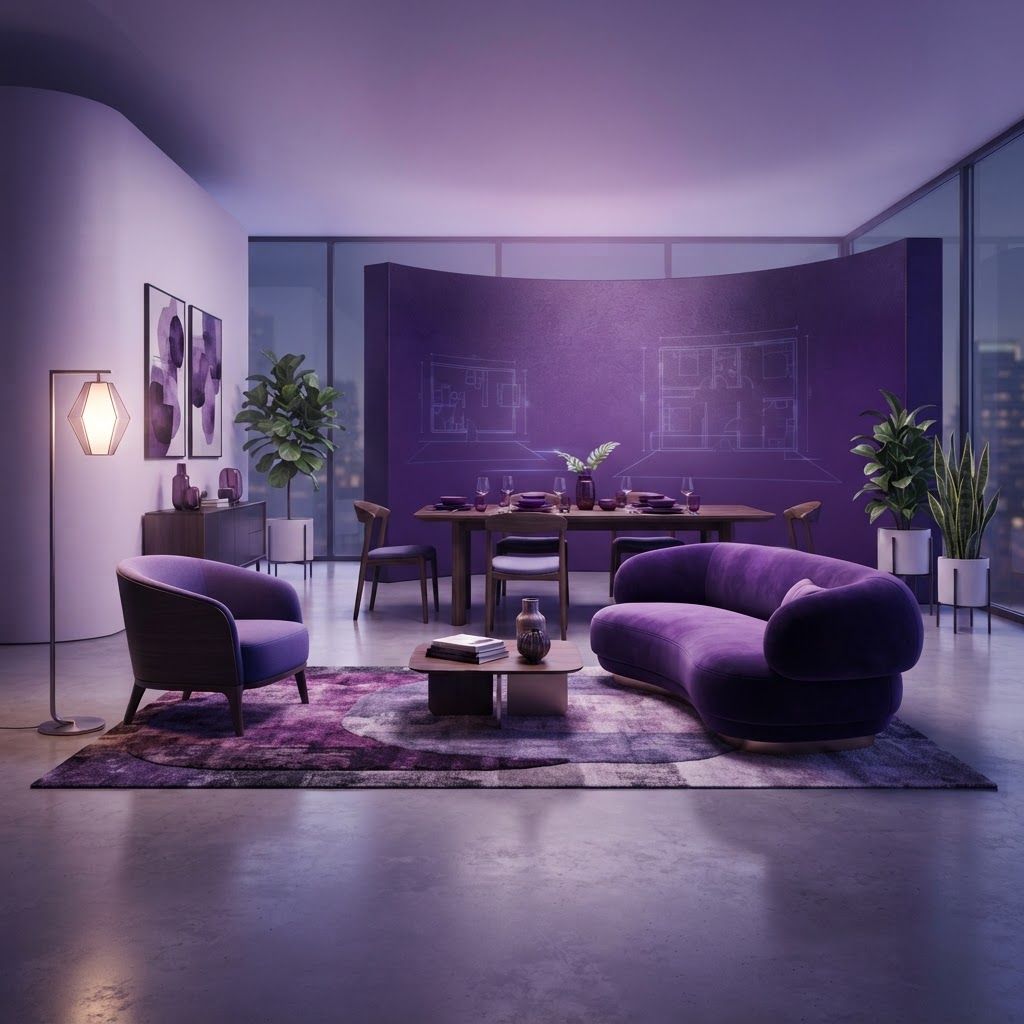
Furniture Retail in Little Rock
Furniture is among the most consequential household purchases people make, both financially and in terms of daily experience. Little Rock's market reflects the full range of approaches, from traditional full service retailers offering design assistance and delivery, through custom workshops building to specification, to value focused operations serving students, renters and first time buyers.
Several regional factors shape the market. Central Arkansas has a substantial stock of older homes with distinctive proportions, which increases demand for pieces that suit smaller or unusually shaped rooms. Humidity influences material behaviour, particularly for solid wood and leather. A strong regional woodworking tradition supports genuine craft furniture production, and interest in locally made pieces has grown alongside broader interest in durability and provenance.
How to Assess Furniture Quality
Frame construction is the most important structural consideration in upholstered furniture. Kiln dried hardwood frames joined with corner blocks, dowels and screws substantially outlast frames assembled from softwood, particleboard or staples alone. A well built sofa frame should feel rigid when lifted at one corner rather than flexing or creaking.
Suspension systems matter nearly as much. Eight way hand tied springs represent the traditional benchmark, while sinuous serpentine springs offer good performance at lower cost. Webbing alone generally indicates a lower tier of construction with a shorter comfortable lifespan.
Cushion composition determines how furniture feels over years rather than weeks. High resilience foam densities, wrapped foam cores and quality down or fibre blends retain shape considerably better than inexpensive low density foam, which compresses noticeably within a couple of years of regular use.
For case goods such as tables, dressers and cabinets, joinery is the key indicator. Dovetail and mortise and tenon joints signal quality, as do solid wood drawer boxes, dust panels between drawers and smooth well fitted drawer glides. Veneer over quality substrate is not inherently inferior and can be more dimensionally stable than solid wood, but thin laminate over particleboard has clear limitations.
Ten Furniture Stores Serving Little Rock
Arkansas Fine Furniture Gallery operates as a full service retailer offering solid wood case goods and quality upholstery with in house design consultation and white glove delivery.
River Valley Custom Upholstery builds made to order sofas and chairs, allowing customers to select frame style, cushion firmness and fabric, and it also reupholsters existing pieces.
Ozark Woodcraft Studio produces handcrafted solid wood furniture including dining tables, beds and cabinetry, using traditional joinery and finishing appropriate to regional humidity.
Capitol Modern Interiors focuses on contemporary design with clean lined pieces suited to open plan spaces, offering coordinated collections and styling advice.
Rock City Home Furnishings serves the value segment with affordable bedroom, living and dining sets, appealing to students, renters and first time householders.
Delta Leather Company specialises in leather seating, providing guidance on hide grades, finish types and appropriate care for humid conditions.
Natural State Mattress and Bedding concentrates on sleep products with proper trial periods, comparison bases and knowledgeable fitting rather than pressure selling.
Pinnacle Office Furniture Group supplies commercial workspace furniture including ergonomic seating, height adjustable desks and systems furniture, with space planning services.
Quapaw Antique and Vintage Furnishings deals in period pieces and restored vintage furniture, offering character and construction quality that contemporary mass production rarely matches.
Little Rock Outdoor Living Company focuses on patio and outdoor furniture engineered for sun exposure and moisture, using powder coated frames and performance textiles.
Trends in Furniture and Interiors
Durability has regained priority after years of disposable furniture dominance. Buyers increasingly consider expected lifespan and repairability, which has strengthened demand for solid wood construction, reupholsterable frames and pieces that can be refinished rather than discarded.
Performance fabrics have improved dramatically, offering genuine stain and wear resistance without the stiff synthetic feel of earlier generations. This has made lighter upholstery colours practical in households with children and pets, and it is particularly relevant in humid climates where cleanability matters.
Flexible and multifunctional furniture has become important as home working persists. Demand for adaptable pieces such as sideboards serving as workstations, modular seating and adjustable desks reflects rooms that must serve several purposes.
Locally made furniture has gained commercial momentum, driven by shorter lead times, the ability to customise dimensions and interest in supporting regional craftspeople. Sustainability considerations, including responsibly sourced timber and low emission finishes, increasingly influence purchasing.
Practical Buying Guidance
Measure carefully before shopping, including doorways, stairwells and corners, as delivery access is a frequent and expensive oversight. Sketch your room to scale and mark furniture footprints, since pieces that seem modest in a large showroom often overwhelm a domestic room.
Sit on upholstered furniture for several minutes rather than briefly. Seat depth, back angle and arm height determine comfort more than appearance, and preferences vary considerably between individuals. For dining tables, check leg placement against seating plans to avoid conflicts.
Ask specific questions about construction. Enquire what the frame is made from, what the cushion foam density is, whether the upholstery is reupholsterable and what the warranty covers. Vague answers usually indicate the retailer does not know, which itself is informative.
Clarify delivery terms, assembly responsibility and return policies, particularly for custom orders which are typically non returnable. Finally, invest most in the pieces used most heavily, such as the primary sofa, dining table and mattress, and economise on occasional or decorative items where wear is minimal.
Conclusion
Little Rock's furniture retailers cover fine furnishings, custom upholstery, handcrafted solid wood, contemporary design, value ranges, leather, sleep products, office systems, antiques and outdoor living. Understanding frame construction, suspension, cushion quality and joinery allows buyers to distinguish genuine value from surface appearance, and furniture chosen on those terms remains satisfying for decades rather than seasons.