
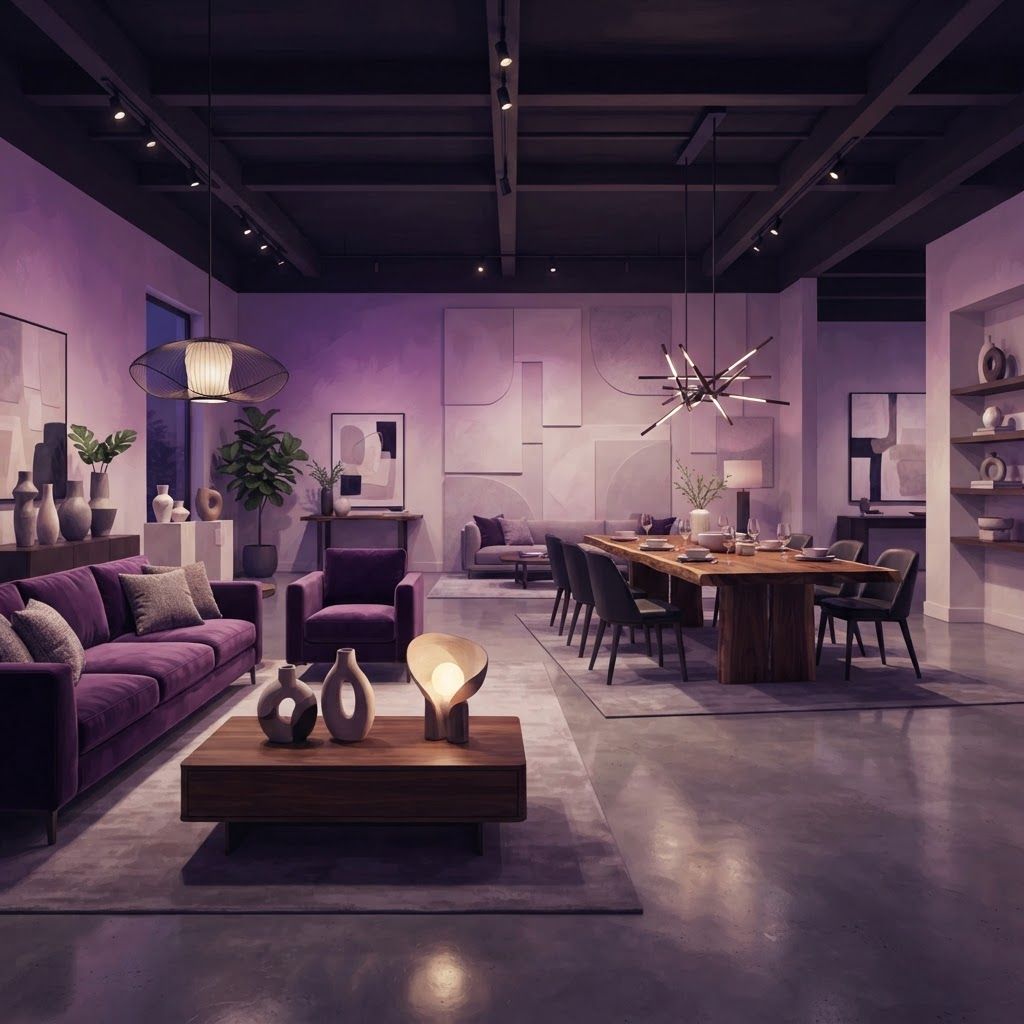
Furniture Shopping in Baton Rouge
Furniture buying in Baton Rouge is influenced by several local realities. The climate is humid, which affects wood movement, upholstery mildew risk and the longevity of particleboard construction. Housing stock ranges from historic homes with distinctive proportions to new suburban construction with open floor plans. The student population creates constant turnover demand for affordable, transportable furnishings. And Louisiana's culture of entertaining — Sunday dinners, crawfish boils, holiday gatherings, game day parties — puts a premium on dining seating, outdoor furniture and durable living room pieces that handle heavy use.
The market accordingly spans national chains, regional furniture retailers, independent showrooms, custom woodworkers, antique dealers and consignment shops. Each occupies a genuinely different position on the price-quality spectrum.
Leading Furniture Retailers and Categories
1. Ashley Furniture and regional full-line retailers. Large showroom retailers offer complete room packages across bedroom, living, dining and mattress categories, generally with financing and delivery included. Their strength is breadth and immediate availability; buyers should inspect construction carefully, since quality within these showrooms ranges from solid to lightweight.
2. Independent Baton Rouge furniture showrooms. Long-established local retailers typically carry mid-to-upper tier lines and provide something chains cannot: staff who remember your previous purchases, in-house design consultation, reliable local delivery crews and genuine accountability if something arrives damaged. For significant investments, this service difference is substantial.
3. La-Z-Boy and upholstery specialists. Dedicated upholstery retailers offer sofas, sectionals, recliners and chairs with customizable frames, fabrics and configurations. Frame construction quality — kiln-dried hardwood, eight-way hand-tied or sinuous spring suspension, and high-resiliency foam — determines whether a sofa lasts five years or twenty, and specialists explain these distinctions credibly.
4. Custom woodworkers and local craftsmen. Louisiana has a strong woodworking tradition, and local craftsmen build dining tables, cabinetry, beds and case goods from solid hardwoods including cypress, pecan and oak. Cypress deserves specific mention: it is naturally rot and insect resistant, historically significant in Louisiana building, and exceptionally well suited to the humid climate. Custom pieces cost more initially but frequently outlast several rounds of mass-market furniture.
5. Antique dealers and estate furniture specialists. Antique furniture built from solid hardwood with traditional joinery has already survived a century of Louisiana humidity, which is a compelling durability argument. Dealers in this segment also provide restoration, refinishing and reupholstery, allowing buyers to acquire heirloom-quality pieces at prices well below comparable new construction.
6. IKEA-style and value flat-pack retailers. For student apartments, first homes and temporary situations, flat-pack furniture provides functional design at low cost. Buyers should understand its limitations honestly: particleboard construction is vulnerable to humidity and repeated disassembly, so it works well for short-term use and less well as a long-term investment.
7. Mattress specialty retailers. Mattress buying warrants its own category because comfort and support are individual and because return policies vary dramatically. Specialty retailers allow in-person testing across firmness levels and constructions, while direct-to-consumer brands compete on price and generous trial periods. Either approach works if the trial and return terms are clear.
8. Outdoor and patio furniture retailers. Outdoor living is a major part of Louisiana life, and material selection matters enormously here. Powder-coated aluminum, all-weather resin wicker, teak and solution-dyed acrylic fabrics withstand heat, humidity, ultraviolet exposure and rain far better than untreated steel or standard outdoor fabrics, which fail quickly in this climate.
9. Office and commercial furniture dealers. With substantial state government, legal, healthcare and industrial employment, commercial furniture dealers supply ergonomic seating, height-adjustable desks, conference tables and systems furniture. Ergonomic quality has real consequences for anyone seated eight hours daily, and dealers in this space provide fitting and adjustment guidance.
10. Consignment shops and secondhand marketplaces. Consignment stores, estate sales and local resale channels are among the best value sources available, particularly in a city with regular student turnover. Solid wood pieces from earlier decades often cost less than new particleboard equivalents while offering far greater durability and repairability.
Trends in Furniture Buying
Durability and repairability have regained importance as buyers grow tired of replacing failed furniture. Interest in solid wood, quality upholstery frames and replaceable cushion covers has risen accordingly.
Performance fabrics have transformed upholstery buying. Stain-resistant, fade-resistant and cleanable textiles make light-colored furniture practical in homes with children and pets, and in humid conditions where spills and moisture are routine.
Flexible and multi-purpose furniture has grown with the persistence of remote and hybrid work, and locally sourced pieces — particularly cypress furniture — have gained appeal among buyers who want both regional character and climate suitability.
How to Buy Furniture in a Humid Climate
Measure carefully, including doorways, stairwells and turns, before purchasing anything large. Delivery failures on sectionals and armoires are common and entirely avoidable.
Inspect construction rather than appearance. Look for kiln-dried hardwood frames, mortise-and-tenon or dowel joinery rather than staples alone, dovetailed drawers, and dense high-resiliency foam. Avoid particleboard for anything you intend to keep long term in this climate, since moisture causes swelling that cannot be repaired.
Choose materials suited to humidity: solid hardwoods, cypress, treated metals and performance fabrics. Control indoor humidity with air conditioning and dehumidification, keep upholstery away from exterior walls prone to condensation, and clean fabric promptly to prevent mildew.
Finally, confirm delivery terms, assembly responsibility, warranty coverage and return policy in writing before purchase, and consider ordering lead times, since custom upholstery frequently takes several months.
Final Thoughts
Baton Rouge rewards furniture buyers who think about climate as much as style. Solid wood construction, cypress in particular, quality upholstery frames and genuine performance fabrics all outlast the alternatives here by wide margins. Combining national retail for convenience with local showrooms, custom woodworkers and consignment finds for quality produces homes that are both well furnished and built to endure Louisiana conditions.