
Furniture Making in a Timber Region
Spokane sits at the edge of one of North America's great timber regions, and that geography has shaped its furniture industry from the beginning. Access to Douglas fir, western red cedar, pine, larch, alder, and imported hardwoods gave local makers material advantages, while a regional design sensibility favoring durability and honest construction over ornament shaped what they built.
Today the sector spans a wide range. Individual studio craftsmen build one-of-a-kind hardwood pieces. Mid-sized shops produce architectural millwork and casework for commercial construction. Specialty manufacturers focus on healthcare, education, or hospitality furniture where durability and code compliance dominate requirements. Each serves a distinct market with different economics and expectations.
Custom Hardwood and Studio Furniture Makers
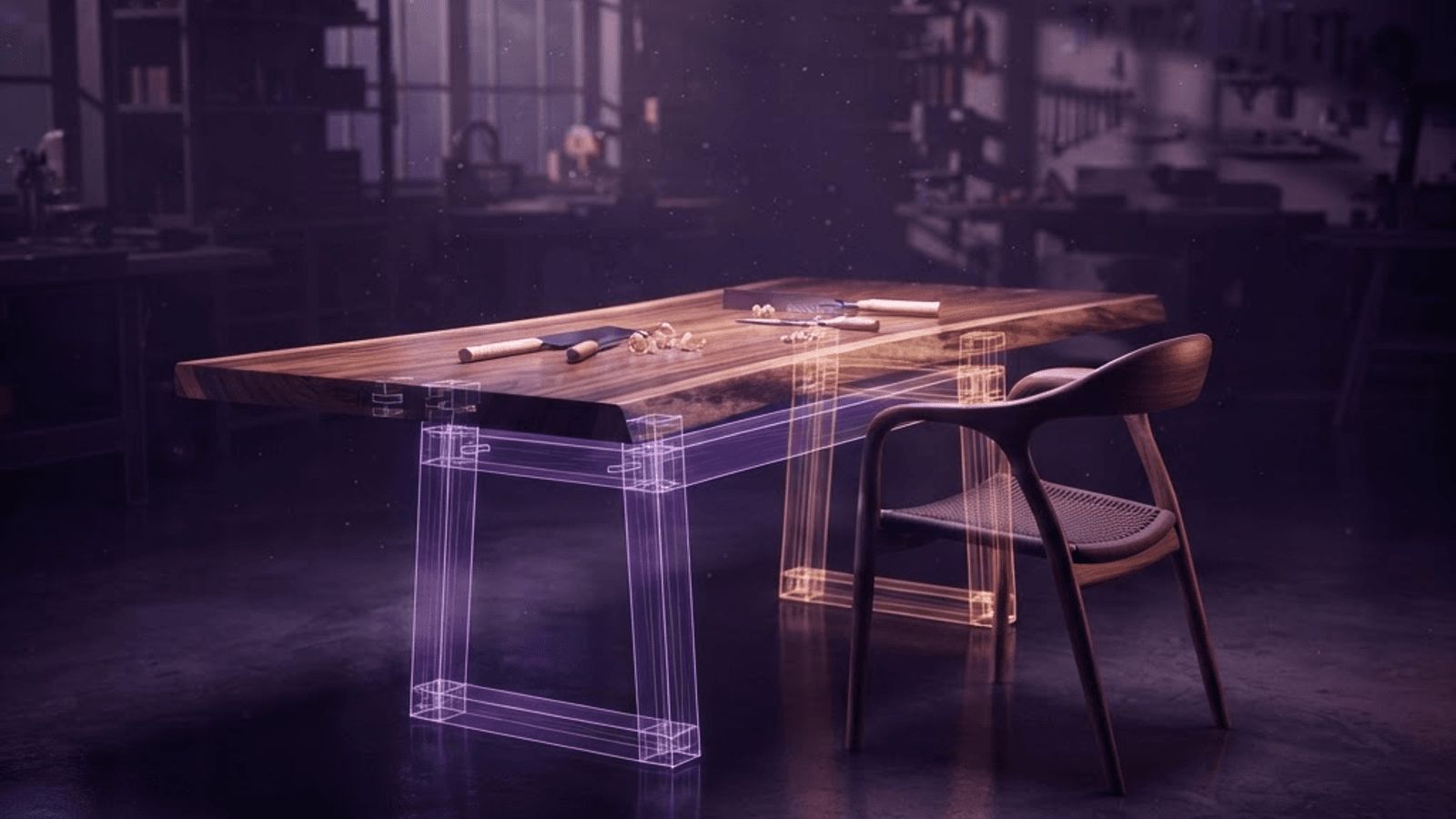
Spokane supports a genuine community of custom furniture makers producing dining tables, casegoods, seating, beds, and built-in pieces to individual commission. These shops typically employ a handful of craftsmen and work in solid hardwoods using traditional joinery, mortise and tenon, dovetails, and floating tenon construction, combined with modern finishing chemistry.
What clients buy from these makers is fit and permanence. A custom dining table sized precisely to a room, built from a single slab or matched boards, finished to withstand daily use, and joined so it can be repaired decades later, occupies a different category than mass-market furniture. The cost is higher and the lead time longer, but the piece functions as a durable asset rather than a consumable.
Live-edge and slab work has become a signature of the regional aesthetic. Local makers source urban salvage and regional hardwoods, working with the natural character of the material rather than milling it away. Executed well, with proper drying, stabilization, and structural support, these pieces are striking and stable.
Commercial Casework and Architectural Millwork
The largest volume of furniture manufacturing in Spokane involves commercial casework: reception desks, cabinetry, laboratory benching, retail fixtures, library shelving, and institutional built-ins. These producers work primarily in engineered panel products with high-pressure laminate, thermofoil, or wood veneer surfaces.
This segment operates on construction industry terms, which means shop drawings, submittals, code compliance, coordination with general contractors, and rigid installation schedules. Manufacturers succeeding here combine production capability with project management discipline, because a casework delay stalls an entire building's completion.
Certification matters in commercial work. Membership in recognized architectural woodwork quality programs signals that a shop's construction methods, materials, and tolerances meet published standards, which architects specify and inspect against.
Healthcare and Institutional Furniture Specialists
Spokane's substantial medical sector supports manufacturers focused on healthcare furniture: examination room casework, nursing station millwork, patient room furnishings, and laboratory installations. Requirements here are unusually strict, covering cleanability, chemical resistance, infection control considerations, accessibility compliance, and fire ratings.
Educational furniture forms a related specialty, with local producers building classroom casework, laboratory benching, and library furniture for school districts and universities. Institutional buyers evaluate on decade-long durability and repairability rather than initial appearance, which favors manufacturers building heavier than minimum standards require.
Hospitality and Restaurant Furniture Production
Spokane's growing hospitality sector has created demand for restaurant and hotel furniture built for commercial abuse. Local manufacturers produce booth seating, restaurant tables, bar millwork, and hotel casegoods designed for constant use, frequent cleaning, and long service life.
Commercial hospitality furniture differs fundamentally from residential pieces. Frames need heavier construction, joints require mechanical reinforcement, upholstery must meet flammability standards and clean easily, and finishes must survive commercial cleaning chemicals. Manufacturers experienced in this market build accordingly; those who are not produce furniture that looks correct and fails within two years.
Evaluating a Furniture Manufacturer
Construction methods reveal quality most reliably. Ask specifically how joints are made, what fasteners and adhesives are used, how drawers are built and mounted, and how solid wood movement is accommodated. Manufacturers proud of their methods answer these questions eagerly and in detail.
Material specifications deserve scrutiny. Solid wood species and grade, plywood core construction, particleboard density, laminate thickness, and hardware grade all determine performance. A manufacturer that specifies materials precisely is telling you something meaningful about its standards.
Finishing capability is frequently underestimated. Finish determines both appearance and durability, and proper application requires controlled spray environments, appropriate chemistry, and adequate cure time. Shops with dedicated finishing rooms and knowledgeable finishers produce visibly better results.
Trends in Regional Furniture Manufacturing
Sustainability has moved from niche to mainstream. Customers ask about wood sourcing, formaldehyde emissions from panel products, low-volatile-organic-compound finishes, and end-of-life repairability. Manufacturers using certified lumber, water-based finishes, and low-emission panels are responding to genuine demand.
Digital fabrication has reshaped production. Computer numerical control routers, nesting software, and automated edge banding allow smaller shops to achieve precision and efficiency that once required much larger operations, while still handling custom work economically.
Flexible and adaptable furniture design is another visible shift, driven by changing office and educational space use. Height-adjustable work surfaces, mobile casework, reconfigurable systems, and integrated power and data have become standard requests rather than premium options.
Commissioning Furniture Successfully
Communicate function before form. A maker who understands how a piece will be used, who uses it, how often, under what conditions, will design better than one working only from an aesthetic reference image.
Discuss budget honestly and early. Furniture cost scales with material, complexity, and finish, and a candid budget conversation lets a maker propose achievable designs rather than producing proposals that must be abandoned.
Ask about warranty and repair support. Well-built furniture lasts decades, and a manufacturer willing to refinish, repair, or modify its own work years later demonstrates confidence in what it builds and provides real long-term value.