
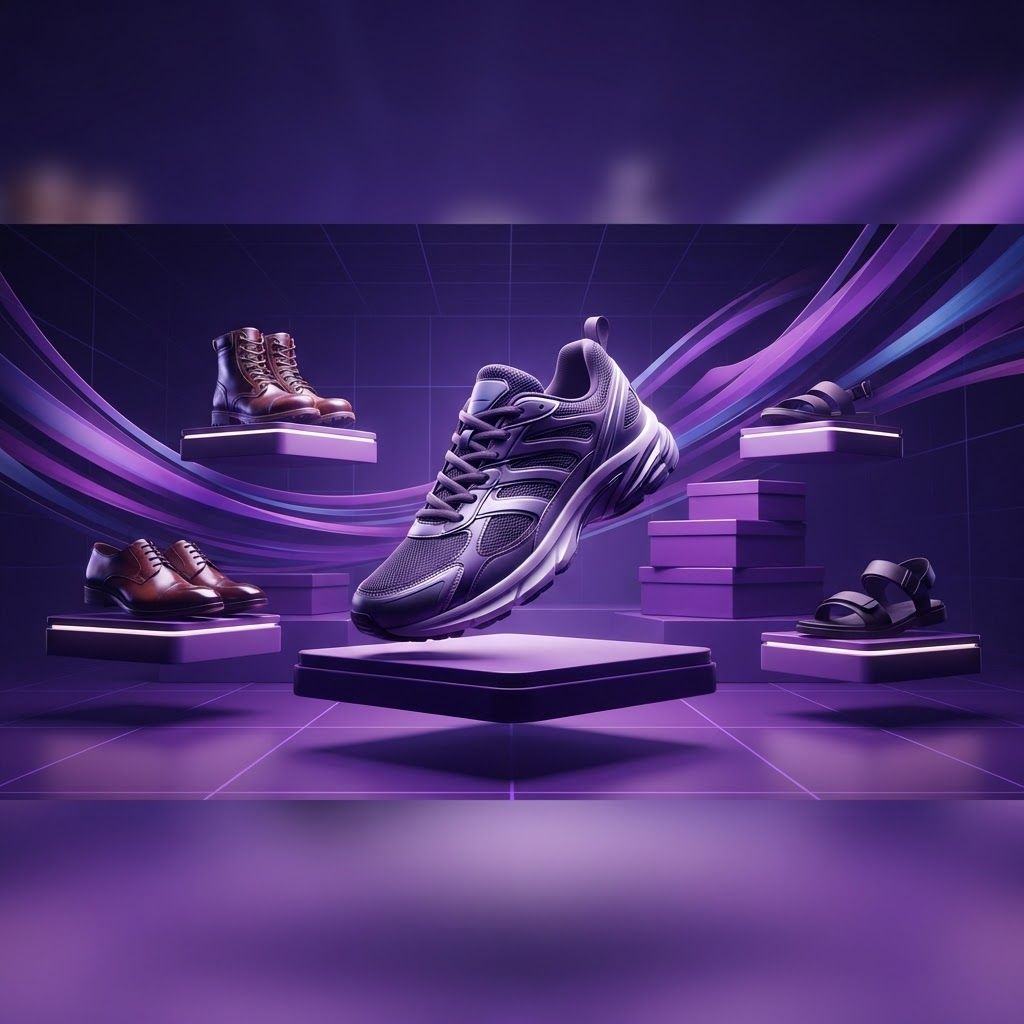
Footwear for a Working Valley
Few purchases affect daily comfort as directly as footwear, and few places test shoes as thoroughly as California's Central Valley. Agricultural workers spend long days on uneven ground. Warehouse and logistics employees walk concrete for entire shifts. Construction trades need protective toes and puncture resistant soles. Weekend hikers head into the Sierra foothills and Yosemite. And everyone contends with summer heat that makes breathability essential rather than optional.
Modesto's footwear market reflects this. Alongside conventional shoe retail, the region supports specialty work boot suppliers, running specialists and western boot sellers who understand what the local workforce actually needs.
How to Choose Footwear Well
Fit is the single most important variable and the one most commonly neglected. Have your feet measured, including width, since a substantial share of people wear shoes that are too narrow. Measure at the end of the day when feet have swollen, and account for the socks you will actually wear. Feet change over adult life, so a size that fit a decade ago may not fit now.
For construction, evaluate whether the sole is stitched, such as Goodyear welted, which permits resoling and dramatically extends service life, versus cemented, which cannot be economically repaired. Check upper material, with full grain leather outlasting corrected grain and synthetics in most applications. Assess midsole cushioning material and whether it will compress out within months.
For work footwear, confirm the safety certifications your job requires, including toe protection ratings, electrical hazard protection, puncture resistant plates and slip resistance ratings appropriate to your surfaces.
The Top 10 Footwear Brands in Modesto
1. Premium Work Boot Manufacturers
Brands producing Goodyear welted work boots with full grain leather uppers and replaceable soles represent the best long term value in demanding work. Although initial cost is high, resoling extends life across many years, bringing cost per year well below cheaper alternatives. Look for models with the specific safety features your work requires and adequate break in expectations.
2. Agricultural and Ranch Boot Brands
Farm and ranch work requires boots handling mud, irrigation water, chemical exposure and long standing hours. Pull on styles without laces are favored for ease and because laces catch on equipment. Waterproofing, oil resistance and comfortable insoles for extended wear are the practical priorities, along with heel design suited to those who ride.
3. Western Boot Makers
Western boots serve genuine function in this region alongside their cultural role. Quality is determined by leather grade, whether the boot is welted, insole material and the precision of the last. Well made western boots mold to the foot and last for many years. Exotic leathers command premiums but should be evaluated on construction quality first.
4. Athletic and Running Shoe Brands
Running shoe technology has advanced significantly, with midsole foams offering better energy return and durability than a decade ago. Selection should be based on gait, foot shape and intended use rather than marketing. Runners should replace shoes based on midsole compression rather than upper appearance, typically after several hundred miles, since a shoe that looks fine may have lost its cushioning entirely.
5. Hiking and Trail Footwear Brands
Proximity to the Sierra Nevada and Yosemite drives strong demand for hiking boots and trail shoes. Choice depends on terrain and load, with lightweight trail runners suiting day hiking on maintained trails and supportive boots better for rough terrain and heavy packs. Waterproof membranes trade breathability for water resistance, a tradeoff that favors non waterproof options in hot dry conditions.
6. Slip Resistant Service Footwear
Restaurant, healthcare and food processing workers need certified slip resistant outsoles, easy cleaning and cushioning for extended standing. Brands specializing in this category test tread compounds specifically against greasy and wet surfaces, and the difference between certified slip resistant footwear and ordinary rubber soles is substantial and measurable.
7. Comfort and Orthopedic Footwear Brands
Brands engineering for foot health serve people with plantar fasciitis, diabetes, flat feet and other conditions requiring specific support. Features include removable footbeds accommodating custom orthotics, wide toe boxes, seamless interiors and generous width options. Proper fitting by trained staff matters more in this category than in any other.
8. Lifestyle Sneaker Brands
Casual sneakers serve as default everyday footwear for much of the population. Quality varies enormously across price points, and buyers should consider outsole durability, upper material breathability in valley heat, and whether the insole can be replaced. Leather sneakers generally outlast textile versions substantially.
9. Sandal and Warm Weather Footwear Brands
Given how long Modesto summers run, sandals and breathable warm weather footwear see extended use. Supportive sandal brands with contoured footbeds and replaceable soles offer far better foot health outcomes than flat unsupportive alternatives worn for months at a time. Water friendly styles suit river and lake recreation.
10. Boot Repair and Resoling Services
Not a brand but an essential part of the footwear ecosystem, cobblers and resoling services make premium footwear economically rational. A quality welted boot can be resoled several times, and services also handle stretching, patching, waterproofing and orthotic accommodation. Establishing a relationship with a good cobbler substantially reduces lifetime footwear cost.
Trends in Footwear
Repairability has become a genuine purchasing consideration as consumers recognize the cost of replacing footwear repeatedly. Wide and natural shape toe boxes have gained popularity as awareness grows of how narrow footwear affects foot structure. Sustainable materials including recycled textiles and responsibly sourced leather are expanding. Composite safety toes have largely replaced steel in work footwear, offering equivalent protection with less weight and no thermal conductivity. Cushioning technology continues improving, though buyers should be skeptical of claims not backed by durability. And direct to consumer footwear brands have made quality construction available at lower prices.
Buying Guidance
Get measured properly rather than assuming your size. Try footwear on late in the day with your actual socks. For work boots, buy the certifications your job requires rather than approximations. Prefer resoleable construction for anything you will wear daily. Rotate between two pairs to let midsoles and leather recover, which extends the life of both substantially. Replace athletic shoes based on mileage rather than appearance. And invest most in the footwear you wear most, since that is where comfort and durability pay back fastest.
Final Thoughts
Footwear in Modesto has to handle heat, long hours and hard surfaces, and the brands that serve the region best build for those conditions honestly. Prioritize correct fit above all else, choose repairable construction where you can, match safety features to your actual work, and treat good footwear as an investment in daily comfort that pays returns every hour you are on your feet.