
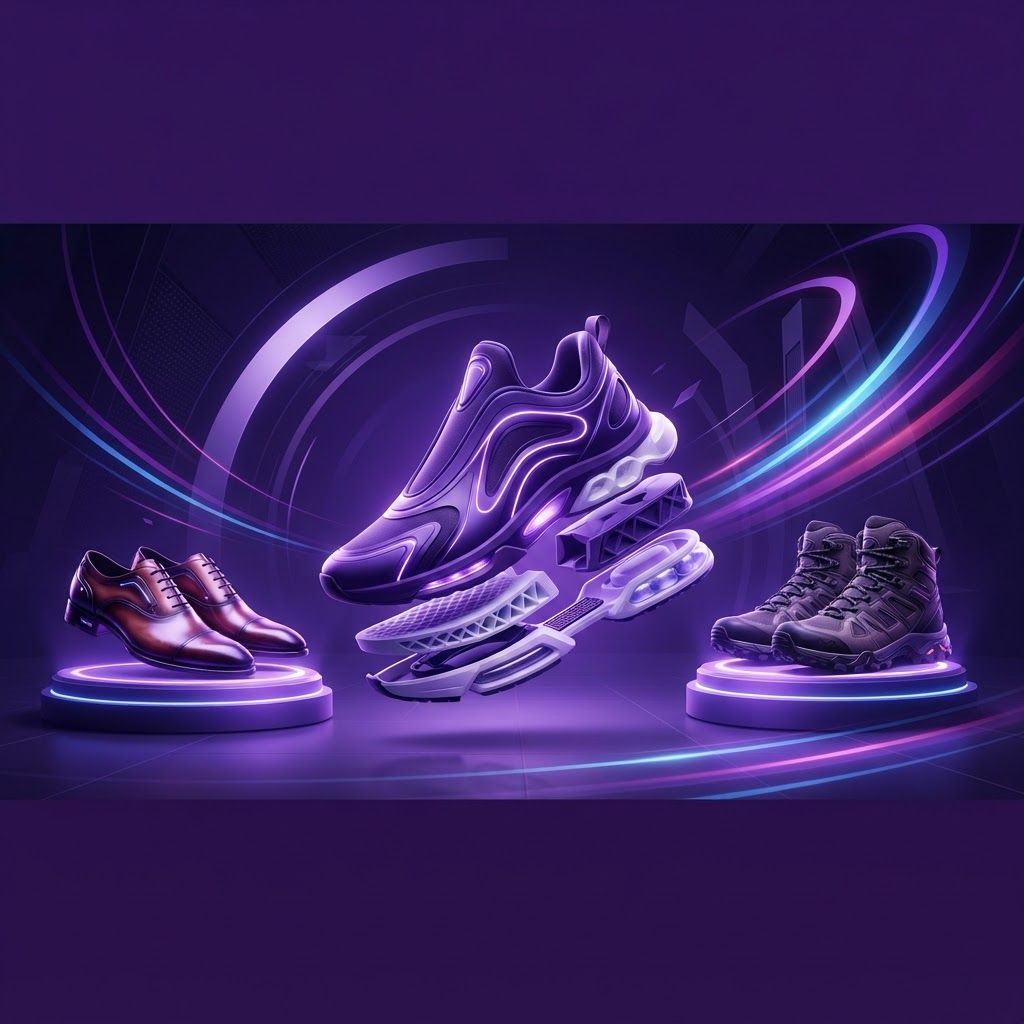
Footwear Demand in Central Arkansas
Footwear buying in Little Rock reflects the practical realities of living in central Arkansas. Hot, humid summers make breathability essential. Regular rainfall and river proximity create demand for water resistant options. An active outdoor culture centred on trails, hunting and water sports supports substantial technical footwear sales. A large professional workforce requires dress and business casual shoes suitable for long days. A significant industrial, healthcare and construction workforce needs genuinely protective and comfortable work footwear.
Because footwear affects posture, joint loading and daily comfort more directly than almost any other purchase, it rewards informed buying more than most categories. A properly fitted shoe designed for its actual use prevents a remarkable number of foot, knee and back complaints.
How to Evaluate Footwear Properly
Fit is the single most important factor, and it is not simply a matter of length. Width, instep volume, heel hold and toe box shape all determine whether a shoe works for a particular foot. Feet also change over time and swell during the day, which is why professional fitting late in the day produces better results than assuming a lifelong size.
Construction method determines longevity and repairability. Welted construction, where the upper is stitched to the sole, allows resoling and can extend a quality shoe's life for many years. Cemented construction is lighter and less expensive but generally not repairable. Athletic footwear uses moulded midsoles that compress over time regardless of upper condition.
Material choice affects both durability and comfort. Full grain leather moulds to the foot and lasts well but requires conditioning. Technical synthetics dry faster and weigh less, which matters considerably in humid conditions. Waterproof membranes keep water out but reduce breathability, a genuine trade off in Arkansas summers.
Finally, support characteristics should match the wearer rather than following trends. Cushioning level, heel to toe drop and stability features affect gait, and the appropriate choice depends on individual biomechanics and usage rather than marketing claims.
Ten Footwear Brands Worth Considering
Brooks is widely respected among runners for consistent fit, reliable cushioning and stable ride characteristics, and it remains a common recommendation for high mileage training.
Hoka has become prominent for maximal cushioning and rocker geometry, appealing both to distance runners and to people who spend long hours standing, including healthcare workers.
Merrell is strong in hiking and trail footwear, offering breathable constructions and dependable outsole traction suited to Arkansas trail conditions.
Red Wing Shoes produces heritage work boots with welted construction and full grain leather, valued for resolability and for moulding closely to the wearer over years of use.
Timberland combines work and casual footwear with water resistant leather and durable outsoles, serving both jobsite and everyday wear.
New Balance stands out for width availability, offering multiple widths across many models, which is genuinely valuable for wearers whose fit issues are lateral rather than longitudinal.
Allen Edmonds serves the professional dress market with welted construction and classic lasts, and its recrafting service allows shoes to be rebuilt rather than replaced.
Keen is recognised for roomy toe boxes and water friendly designs including sandals and hybrid shoes, well suited to river and lake activity common in the region.
Danner focuses on rugged boots for hunting, hiking and demanding work, with resolable constructions and insulation options for cooler months.
Skechers competes effectively on comfort and value in casual and work categories, with slip resistant options widely used in food service and retail environments.
Trends in the Footwear Market
Comfort technology has advanced substantially, with foam formulations offering better energy return and durability than earlier generations. This has blurred the line between athletic and everyday footwear, and cushioned shoes originally designed for running are now common in professional settings where dress codes permit.
Repairability and longevity have gained attention as buyers reconsider disposable footwear. Interest in welted construction, resoling services and quality leather care has increased, supported by local cobblers who remain an underused resource.
Sustainability efforts have produced recycled material uppers, bio based foams and take back programmes, though the environmental impact of footwear remains dominated by total lifespan, which again favours durable, repairable designs.
Width and fit inclusivity has improved, with more brands offering multiple widths and half sizes, reflecting recognition that fit problems are the primary cause of both discomfort and returns.
Practical Buying Guidance
Have your feet measured properly, including width, and do it in the afternoon when feet are naturally slightly larger. Wear the socks you intend to use with the shoes, since sock thickness meaningfully changes fit. Walk on a hard surface rather than carpet when testing, as carpet masks stability and cushioning behaviour.
Match the shoe to its dominant use. Running shoes are designed for forward motion and are not ideal for lateral court sports. Hiking boots provide ankle support and protection but are unnecessarily heavy for pavement walking. Work footwear should meet the specific safety requirements of the job, whether that means toe protection, slip resistance or electrical hazard rating.
Plan replacement realistically. Running shoe midsoles typically compress after several hundred miles even when the upper looks fine, and continuing to use them contributes to injury. For welted dress and work boots, budget for periodic resoling and condition the leather regularly, as maintenance dramatically extends useful life.
Rotating between two pairs allows footwear to dry fully between wearings, which reduces odour, slows material breakdown and is particularly beneficial in humid Arkansas conditions.
Final Thoughts
Footwear brands available in Little Rock cover running, hiking, work, dress, water activity and everyday casual needs comprehensively. The most satisfied buyers are those who prioritise proper fitting, choose construction appropriate to intended use, and maintain and replace footwear on a sensible schedule. Good shoes properly matched to their purpose are among the most worthwhile purchases anyone makes.