
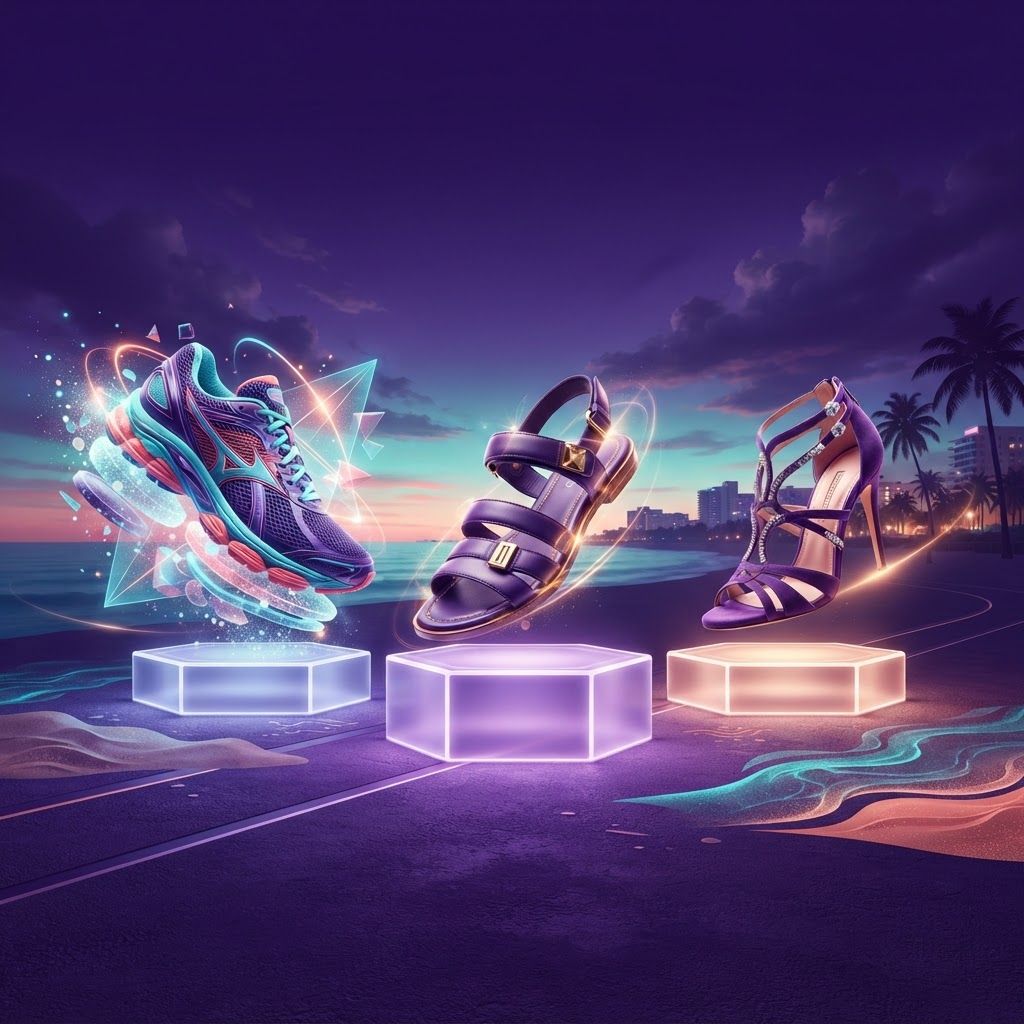
Footwear Challenges in a Coastal Climate
Shoes in Fort Lauderdale face conditions that would destroy a conventional wardrobe within a season. Salt water corrodes metal hardware and degrades adhesives. Sand abrades linings and works into seams. Sustained humidity encourages material breakdown and odor. Boat decks demand non-marking soles with genuine wet grip. And afternoon rain arrives with little warning for much of the year.
These realities have shaped local buying habits. Residents tend to own fewer but more specialized pairs, favoring water-friendly construction, quick-drying materials and soles engineered for wet surfaces. Brands that acknowledge these conditions in their design earn strong loyalty here.
The Footwear Categories That Matter Locally
Boat and deck shoes remain genuinely functional rather than merely stylistic in a city with this much marine activity, with siped soles providing grip on wet fiberglass. Sandals span everything from casual flip-flops to supportive orthopedic designs suitable for all-day wear.
Performance athletic shoes serve an active outdoor population running along the beach path and training year round. Water shoes and amphibious designs support paddleboarding, kayaking and boating. And dress footwear must contend with heat, favoring unlined leather, woven uppers and breathable construction over heavy formal shoes.
Leading Footwear Brands in Fort Lauderdale
Sperry is practically synonymous with boat shoes, and its siped sole technology remains genuinely effective on wet decks, making it a functional choice as much as a heritage one.
OluKai has built a strong following with island-inspired sandals and shoes that combine water-friendly materials with unusually good arch support, addressing the comfort gap that plagues most casual warm weather footwear.
Hoka has become dominant among runners and walkers, and its cushioned designs are particularly popular with residents who log long distances on the hard surfaces of the beachfront promenade.
Birkenstock maintains enduring popularity for its contoured footbed, offering structural support that flat sandals cannot provide, which matters for anyone on their feet through a humid day.
Vionic focuses specifically on orthopedic support within conventional styling, serving the substantial local population that needs foot support without wanting obviously medical footwear.
Columbia and its water-oriented footwear lines serve fishing, boating and outdoor recreation with drainage ports, quick-drying materials and grippy outsoles designed for wet conditions.
Cole Haan bridges dress and comfort effectively, incorporating athletic cushioning into professional styling, a combination well suited to a climate where traditional dress shoes are uncomfortable.
Havaianas remains ubiquitous for casual beach wear, valued for durability, color range and the simple practicality of a sandal that handles sand and salt water without complaint.
Allbirds appeals to sustainability-minded buyers with natural material construction and breathable knit uppers that handle humidity better than synthetic alternatives.
Independent Las Olas shoe boutiques and local specialty retailers round out the market, offering professional fitting services, European designer selections and the expertise that distinguishes a good purchase from a merely fashionable one.
Trends in Footwear
The comfort revolution has transformed the industry. Cushioning technology, rocker geometries and supportive footbeds once confined to athletic and medical footwear now appear throughout casual and dress categories, and consumers have largely stopped accepting discomfort as the price of style.
Sustainable materials are advancing quickly. Recycled ocean plastics, plant-based foams, natural rubber and chrome-free leather tanning have moved into mainstream production, and in a coastal city where marine plastic is visible, these choices carry particular resonance.
Amphibious design has become a legitimate category. Shoes that work equally well in water and on land, drying quickly without losing structure, suit South Florida's lifestyle better than any traditional design.
Personalization and fit technology are improving. Three-dimensional foot scanning at specialty retailers produces meaningfully better fit recommendations than traditional measurement, reducing the returns and discomfort that come from approximate sizing.
Buying Advice for South Florida
Prioritize drainage and drying. Shoes that trap water develop odor and deteriorate quickly. Look for perforated designs, quick-drying linings and materials that tolerate rinsing.
Check hardware materials. Standard steel eyelets and buckles corrode rapidly in salt air, while stainless, brass or polymer hardware survives considerably longer.
Do not neglect support simply because the shoe is casual. Flat unsupportive sandals worn constantly are a common cause of plantar fasciitis and general foot fatigue, and supportive alternatives are widely available without sacrificing appearance.
Rotate pairs rather than wearing one daily. Allowing shoes to dry fully between wears dramatically extends their life in a humid climate and reduces odor issues considerably.
Get professionally fitted at least occasionally, particularly for athletic shoes. Foot size and shape change over time, and running in the wrong size or support category is a reliable path to injury.
Final Thoughts
Footwear in Fort Lauderdale is a genuinely functional category shaped by water, heat and an active outdoor culture. The brands that thrive here understand salt, sand and humidity rather than treating coastal styling as an aesthetic theme. Buyers who prioritize drainage, corrosion-resistant hardware, meaningful support and appropriate rotation find that their shoes last substantially longer and feel considerably better than those who simply buy for appearance. In a city where much of life happens outdoors and near water, that practical approach makes a daily difference.