
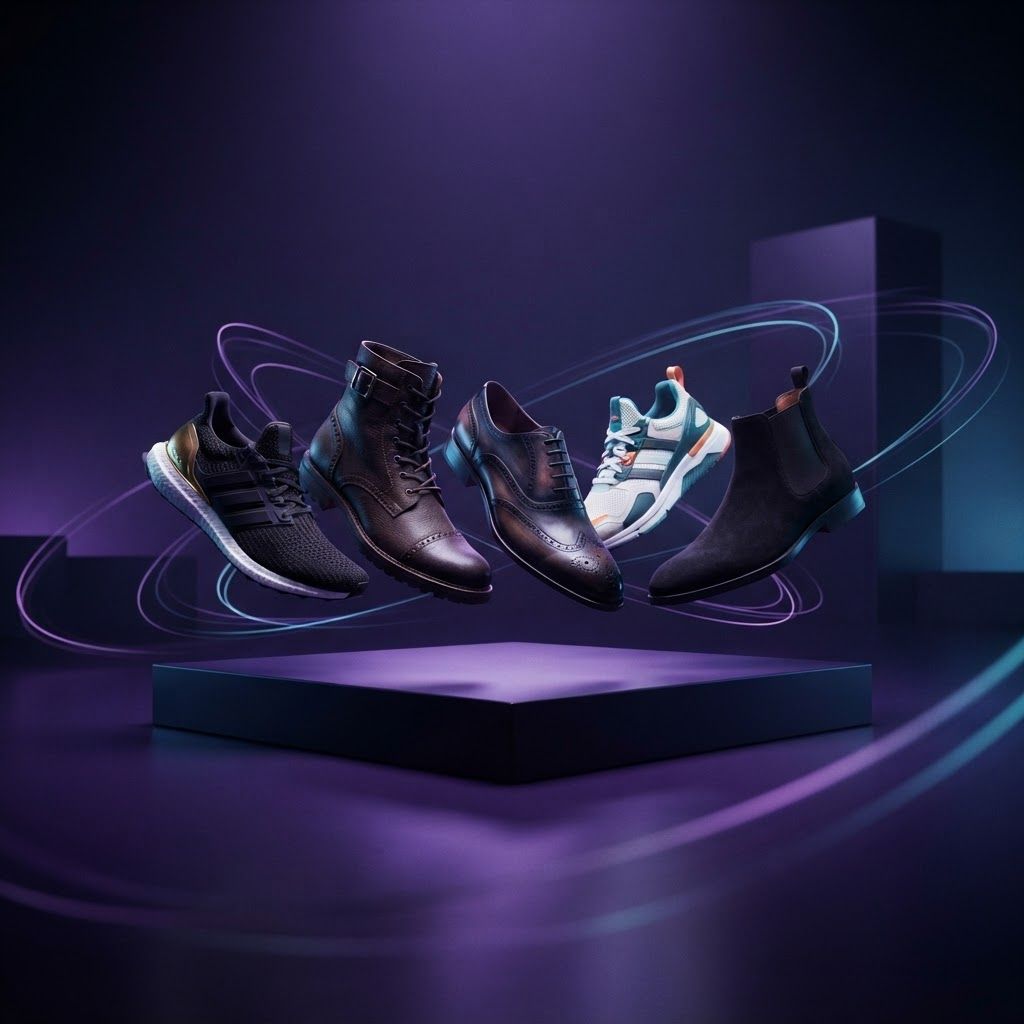
Footwear Needs in a Humid, Rainy Climate
Baton Rouge places demands on footwear that drier cities do not. Annual rainfall is high, street flooding after heavy storms is common, and humidity keeps materials damp long after the rain stops. Leather requires care to avoid mildew, untreated canvas stays wet, and shoes without ventilation become uncomfortable quickly. At the same time, the city's lifestyle involves substantial walking — across the Louisiana State University campus, through downtown, at festivals and along the levee path — and considerable outdoor recreation on water and in marshland.
Practical footwear here therefore balances four requirements: breathability for heat, water resistance or fast drying for rain, comfort for distance walking, and enough versatility to work across casual, work and social settings.
Leading Footwear Brands
1. Nike. Nike dominates athletic and casual footwear locally, and its breadth is the reason. Running shoes with breathable engineered mesh suit the humidity, lifestyle sneakers work for campus and casual wear, and licensed collegiate colorways are popular during football season. For students walking several miles daily, cushioned running models are among the most practical shoes available.
2. adidas. adidas competes strongly with comfortable foam midsole technology, knit uppers that breathe well and a large lifestyle range. Its soccer and training lines matter in a city with active youth sports participation, and its casual models are staples in student wardrobes.
3. Hoka. Hoka has grown rapidly among walkers, runners, nurses and anyone spending long hours on their feet. The maximal cushioning and rocker geometry reduce fatigue meaningfully, which explains strong adoption in healthcare — a major Baton Rouge employment sector where twelve-hour shifts on hard flooring are routine.
4. Brooks and New Balance. Both brands emphasize fit, support and durability, with wide-width availability that many competitors lack. They are frequently recommended by podiatrists and specialty running stores for people with plantar issues, flat feet or high arches, and their walking models serve older customers well.
5. Sperry. Boat shoes are genuinely functional in a boating culture, and Sperry remains the benchmark. Non-marking siped soles grip wet decks, leather and canvas versions cover different needs, and the aesthetic fits the region's coastal-preppy leaning. They also pair naturally with the chinos-and-polo wardrobe common locally.
6. Columbia and outdoor performance footwear. Quick-drying water shoes, drainage-equipped sandals, breathable hiking shoes and fishing footwear serve Louisiana's outdoor life directly. Materials that shed water and dry fast are far more useful here than waterproof-but-non-breathable construction, which traps sweat in the heat.
7. LaCrosse, Muck Boot and rubber boot makers. Rubber boots are practical necessities rather than niche items. Flooded streets, muddy hunting leases, crawfish ponds, marsh access and yard work after storms all call for waterproof knee-height boots. Quality matters because cheap rubber cracks in the heat and fails at the flex point.
8. Red Wing, Timberland Pro and work boot brands. The petrochemical corridor along the Mississippi River, industrial plants and construction employment create real demand for safety-toe, electrical-hazard-rated, slip-resistant work boots. Comfort over a long shift and heat management are decisive factors, and buyers in this category generally prioritize durability over price.
9. Birkenstock, Olukai and comfort sandals. Sandals are wearable most of the Louisiana year. Contoured supportive footbeds make them viable for genuine walking rather than only lounging, and water-friendly leather treatments handle humidity better than untreated versions.
10. Cole Haan, Allen Edmonds and dress footwear. Business, legal, government and formal social settings require proper dress shoes, and lighter-weight constructions with cushioned soles have made them far more tolerable in heat. Louisiana's formal event calendar — weddings, Mardi Gras balls, galas — sustains steady demand, and recraftable welted construction is worthwhile given how humidity shortens the life of cheaper glued shoes.
Trends in Footwear
Cushioning technology has advanced substantially, and thick, resilient foam midsoles have moved from running into everyday and work footwear. For people on their feet all day, this is the most consequential improvement in decades.
Water-resistant treatments and quick-drying constructions have improved, and buyers increasingly understand the distinction between fully waterproof shoes, which trap heat, and quick-drying shoes, which are usually the better choice in subtropical conditions.
Recovery footwear and slip-on comfort styles have also become mainstream, and sneaker culture remains strong among students and young professionals, supporting both national retail and local specialty shops.
How to Choose Footwear Here
Get properly fitted, ideally at a specialty store that assesses arch type, gait and width. Fit errors cause more foot problems than material quality ever will, and many people wear shoes a half size too small or too narrow.
Choose materials for the actual climate. Prefer breathable mesh and treated leather over non-breathable synthetics, and favor quick-drying construction over sealed waterproofing except for dedicated rubber boots. Rotate between two pairs so each dries fully — in high humidity, wearing the same shoes daily accelerates odor, material breakdown and mildew.
Match the shoe to its purpose rather than buying one pair for everything, and maintain what you own. Cedar shoe trees, conditioner for leather, prompt drying away from direct heat and resoling quality shoes all extend life considerably in this climate.
Final Thoughts
Footwear in Baton Rouge is a practical problem before it is a style one. Rain, humidity, heat and long walking distances punish poor choices quickly. The brands that serve the city best are those built around breathability, cushioning, water tolerance and durability — from cushioned athletic shoes for campus and hospital shifts to rubber boots for flooded streets and marsh weekends. Buy for fit and function first, rotate your pairs, and care for your leather, and your shoes will last far longer than the climate would otherwise allow.