
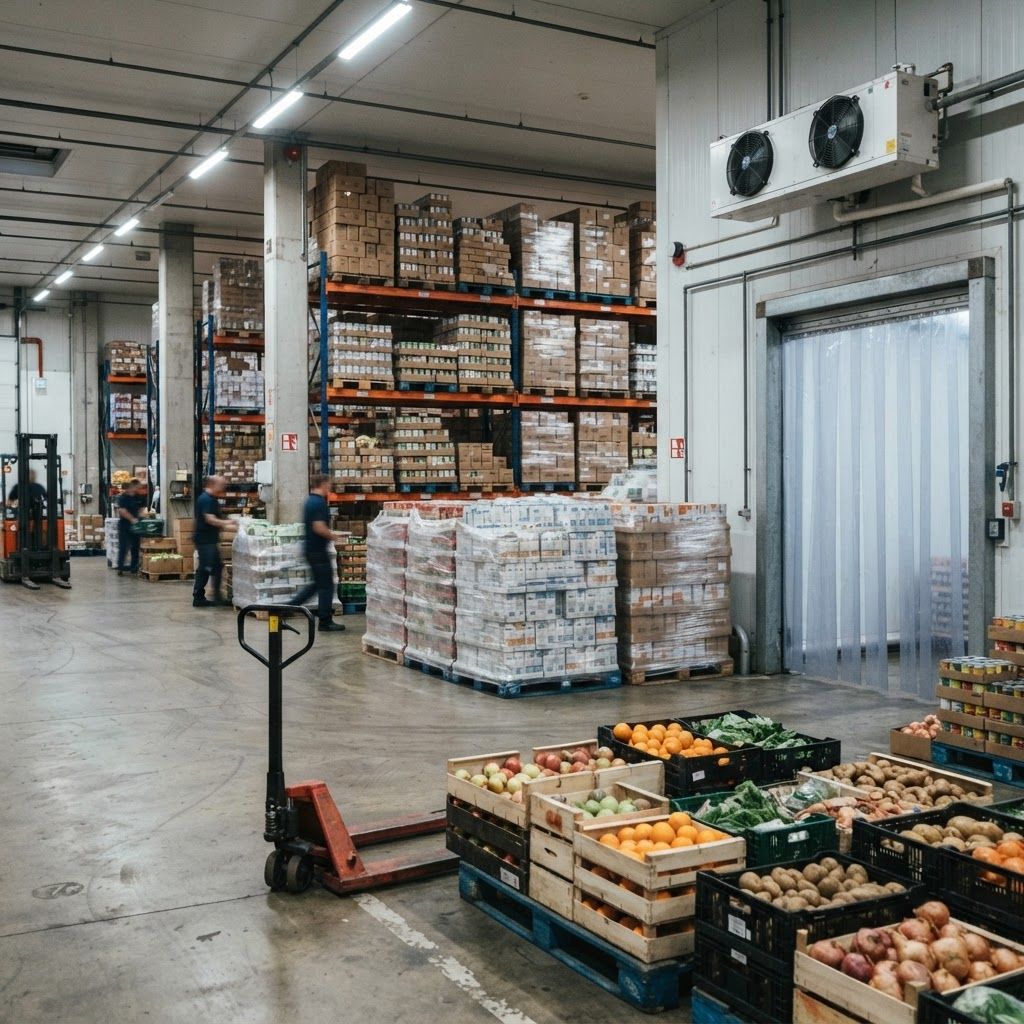
St. Louis: A Food Distribution Hub Built on Rivers and Rails
Food has moved through St. Louis for as long as the city has existed. Its position on the Mississippi made it a natural collection point for grain, produce and livestock, and modern infrastructure has preserved that role. Today the region supports cold-storage warehouses, produce terminals, meat processors, specialty importers and broadline distributors capable of servicing everything from a single food truck to a hospital system.
For operators, this density is a genuine competitive advantage. A chef can source Illinois sweet corn, Missouri beef, imported cheese and paper goods within the same delivery window, often on next-day terms. Food cost control, menu flexibility and consistency all become easier when the supply chain is short.
How These Food Wholesalers Were Selected
Each supplier below was evaluated on product quality and consistency, cold chain integrity, delivery reliability, breadth of catalog, food safety practices, and willingness to serve independent operators alongside large accounts. Sourcing relationships with regional farms and producers were treated as a meaningful differentiator.
1. Midwest Foodservice Group
Midwest Foodservice Group operates as a full broadline distributor, carrying proteins, produce, dairy, dry goods, frozen items, beverages and disposables under one account. For independent restaurants, that consolidation is the main draw: one order, one delivery, one invoice, fewer receiving errors. The company's strength is order accuracy and consistent delivery windows, which lets kitchens plan prep with confidence. Category specialists on staff help operators cost menus and identify substitutions when supply tightens.
2. Produce Row Distributors
Produce Row Distributors works out of the city's historic wholesale produce district and remains the reference point for fresh fruit and vegetables in the region. Buyers value the daily market knowledge here — which growing region is peaking, where quality has slipped, what is about to spike in price. Same-day and early-morning delivery keeps salad programs and prep lines running, and the team routinely handles both commodity volume and hard-to-find specialty items for high-end kitchens.
3. Gateway Meat and Provisions
Gateway Meat and Provisions is a protein specialist covering beef, pork, poultry, lamb and charcuterie, with in-house cutting to customer specification. Consistent portioning is the differentiator, because a steakhouse or banquet operation cannot tolerate variance in weight or trim. The company works closely with Missouri and Illinois producers, giving chefs a credible regional sourcing story alongside dependable grading and aging practices.
4. Riverbend Specialty Foods
Riverbend Specialty Foods imports and distributes the ingredients that define ambitious menus: aged cheeses, cured meats, olive oils, vinegars, pastas, spices, chocolates and preserved goods. Its buyers travel to source directly, and the catalog reflects that curation rather than simply reselling whatever a national importer offers. Independent restaurants, gourmet grocers and pastry programs make up the core clientele, and staff product knowledge is frequently praised.
5. Arch Dairy and Frozen Distribution
Arch Dairy and Frozen Distribution focuses exclusively on temperature-sensitive categories: fluid dairy, butter, cheese, ice cream, frozen bakery and frozen prepared foods. Cold chain discipline is the entire value proposition, and the company invests heavily in monitored refrigeration, documented handoffs and rapid delivery cycles. Bakeries, ice cream shops, schools and cafés rely on it for products where a single temperature excursion ruins an order.
6. Show Me Grocery Supply
Show Me Grocery Supply serves independent grocers, convenience stores, ethnic markets and small chains rather than restaurants. Its catalog spans packaged groceries, snacks, beverages, household goods and health items, with flexible case quantities so a small store can carry variety without overcommitting shelf capital. Category planning support and planogram guidance help owner-operators compete with national chains.
7. Soulard Bakery Ingredients
Soulard Bakery Ingredients supplies flours, yeasts, chocolate, fruit fillings, glazes, packaging and equipment consumables to bakeries, pizzerias and pastry kitchens. Technical support sets it apart — flour protein specifications, hydration behavior and shelf-life questions are handled by people who understand baking chemistry rather than order takers. Consistent milling quality across reorders is critical for bakers holding a formula, and this is where the company has built its reputation.
8. Missouri Farm Direct Wholesale
Missouri Farm Direct Wholesale aggregates output from small and mid-sized regional farms and delivers it to restaurants, schools and food halls. It solves a real problem on both sides: farms too small to service a restaurant individually, and chefs who want local sourcing without managing twenty relationships. Seasonal availability lists, transparent farm attribution and flexible ordering make it a favorite among farm-to-table operators.
9. Delmar Beverage Distributors
Delmar Beverage Distributors covers non-alcoholic beverages, coffee, tea, syrups, juices and dispensing equipment for cafés, offices, hotels and restaurants. Beyond product supply, the company handles equipment placement, calibration and maintenance, which removes a persistent operational headache for smaller operators. Growth in specialty coffee and functional beverages has expanded its catalog considerably.
10. Cardinal Restaurant Supply
Cardinal Restaurant Supply bridges food and non-food, providing disposables, takeout packaging, cleaning chemicals, smallwares and sanitation supplies alongside select dry goods. As off-premise dining has become permanent rather than temporary, packaging strategy has become a real cost and brand decision, and the company's guidance on durable, compostable and delivery-safe options is genuinely useful.
Trends Reshaping Food Wholesale in St. Louis
Local sourcing has moved from marketing to procurement policy, with aggregators making regional produce and meat operationally viable. Digital ordering platforms now provide real-time inventory and substitution suggestions, reducing the phone calls and surprises that once defined restaurant purchasing. Traceability requirements continue to tighten, pushing distributors toward lot-level documentation. Meanwhile, packaging sustainability and labor-saving prepped products are both growing faster than the market overall.
Practical Advice for Choosing a Food Wholesaler
Most successful operations use a hybrid model: one broadline distributor for consolidation and efficiency, plus two or three specialists for produce, protein and signature ingredients. When evaluating suppliers, look past the price sheet. Ask about delivery windows and how missed deliveries are handled, confirm food safety certifications and cold chain monitoring, review credit terms honestly against your cash cycle, and test consistency by ordering the same item repeatedly before committing your menu to it.
Final Thoughts
The depth of the St. Louis food supply network means quality is available at almost every price point. The operators who benefit most are those who build genuine relationships with a small set of complementary distributors, communicate forecasts early, and treat suppliers as partners in food cost control rather than vendors to squeeze.