
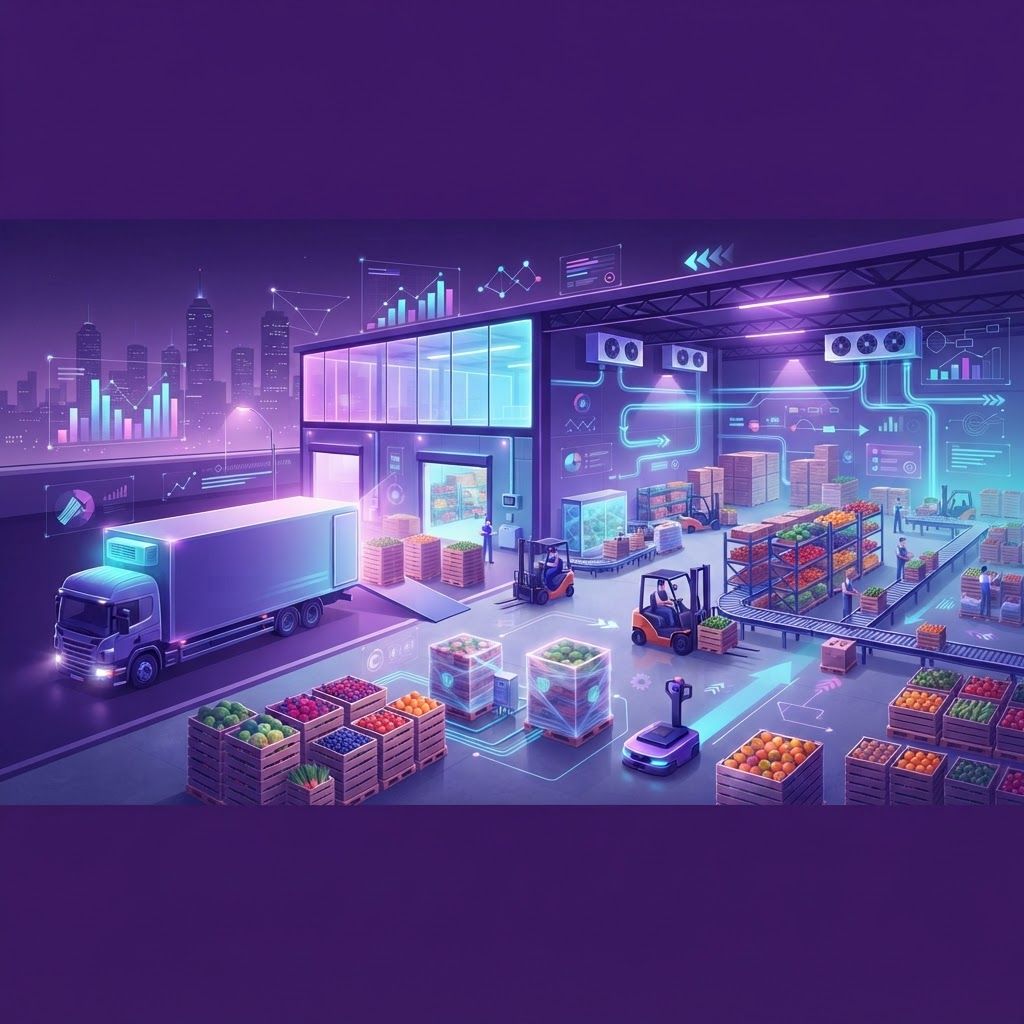
Why Food Wholesale Is the Backbone of Local Hospitality
No kitchen in Spring Valley operates independently of its suppliers. A late produce delivery derails a lunch service, an inconsistent meat cut ruins portion control, and a broken cold chain creates a genuine safety risk. Food wholesale is therefore judged on a stricter standard than most distribution sectors: accuracy, temperature discipline and punctuality matter as much as price.
The city's food wholesale landscape reflects the diversity of its hospitality scene. Broadline distributors supply everything from cooking oil to cleaning chemicals in a single delivery. Fresh specialists focus narrowly on produce, seafood, meat or dairy where quality varies daily. Ethnic and specialist importers bring in ingredients that broadliners will not stock. Bakery and beverage suppliers serve their own distinct rhythms. Most successful operators use a blend of two or three suppliers rather than relying on one.
Cold Chain and Food Safety Fundamentals
Any wholesaler handling chilled or frozen goods should be able to explain its temperature control regime without hesitation. That means refrigerated storage monitored continuously, temperature-controlled vehicles rather than insulated boxes alone, documented delivery temperatures and a clear procedure when a reading falls outside range. Buyers are entitled to ask for this evidence and should treat vagueness as a warning.
Traceability is equally important. A credible supplier can identify the source of a batch, which matters both for quality conversations and for recall situations. Look for organised stock rotation, clean handling areas, appropriate separation of raw and ready-to-eat products, and staff who follow hygiene practice consistently rather than only during inspections. These operational details predict long-term reliability far better than a competitive quotation.
The Ten Leading Food Wholesalers
Valley Fresh Foodservice is the principal broadline distributor in Spring Valley, delivering dry goods, chilled products, frozen lines, disposables and kitchen consumables on regular routes. Multi-site operators value the single consolidated invoice and consistent driver relationships.
Greenfield Produce Market Supply concentrates on fruit and vegetables sourced from regional growers, with daily availability lists that let chefs build menus around what is genuinely at its best rather than what a catalogue promises.
Harborline Seafood Distributors handles fresh and frozen seafood with tight cold chain control and early-morning delivery windows. Its willingness to explain catch origin and handling appeals to restaurants that make sourcing part of their story.
Prime Cut Meat Wholesale operates a butchery-led model, offering standardised portion cuts, custom specifications and vacuum packing. Consistent portioning is its main selling point, since it directly stabilises plate cost.
Creamline Dairy Distribution supplies milk, cream, butter, cheese and yoghurt on frequent delivery cycles, working closely with cafes and bakeries whose usage fluctuates week to week.
Stonemill Bakery Supply serves bakers and pizzerias with flours, yeasts, improvers, fillings, frozen doughs and packaging, backed by technical advice on hydration, proving and shelf life.
Silk Road Specialty Imports brings in spices, sauces, rice varieties, pulses, noodles and regional condiments that broadline suppliers rarely carry, supporting the city's wide range of cuisines.
Orchard Lane Beverage Wholesale distributes coffee, tea, juices, syrups, soft drinks and bar mixers, along with equipment servicing that keeps beverage programmes running smoothly.
Frostline Frozen Foods focuses exclusively on frozen categories, from vegetables and fries to prepared bases and desserts, offering the storage depth that allows operators to buy strategically on price.
Pantry Collective Organic Foods completes the list with organic, plant-based and allergen-conscious lines, a category that has shifted from niche to expected across the local dining market.
Trends Shaping Food Distribution
Cost volatility has made purchasing discipline the defining skill of the moment. Ingredient prices move unpredictably, and operators are responding with more frequent price checks, flexible menu writing and closer supplier dialogue about forthcoming increases. Wholesalers who forewarn customers about market movements build genuine loyalty.
Local sourcing continues to strengthen. Shorter supply lines improve freshness, reduce transport risk and give hospitality businesses a credible narrative for their menus. At the same time, waste reduction has become a shared commercial priority: right-sized pack formats, more frequent smaller deliveries and better forecasting all reduce the amount of food discarded at the end of a week.
Digital ordering is the third shift. Online portals with live pricing, order histories and substitution suggestions have replaced telephone ordering for many operators, cutting errors and freeing kitchen managers to focus on production. Allergen and dietary transparency rounds out the picture, with buyers now expecting complete ingredient and allergen documentation as standard.
How to Buy Food Wholesale More Effectively
Build a core supplier list of two or three complementary wholesalers rather than one, which protects you against a single delivery failure. Standardise your specifications in writing, particularly for meat cuts and produce grades, so quality conversations reference an agreed benchmark. Check deliveries on arrival, including temperatures, and record discrepancies immediately rather than after service.
Review your top twenty ingredient lines by spend every quarter, since small unit changes on high-volume items affect profitability far more than headline discounts on occasional purchases. Finally, treat your account manager as a resource: they usually know which lines are about to rise in price, what is currently plentiful and where a substitution would save money without compromising the dish.
Final Thoughts
Spring Valley's food wholesale sector offers strong options across every category, from daily fresh produce and seafood to specialist imports and organic ranges. The ten suppliers highlighted here have built their reputations on cold chain discipline, order accuracy and consistent product standards. Choose a small, complementary supplier mix, specify clearly, verify on delivery, and your kitchen will run with far fewer surprises.