
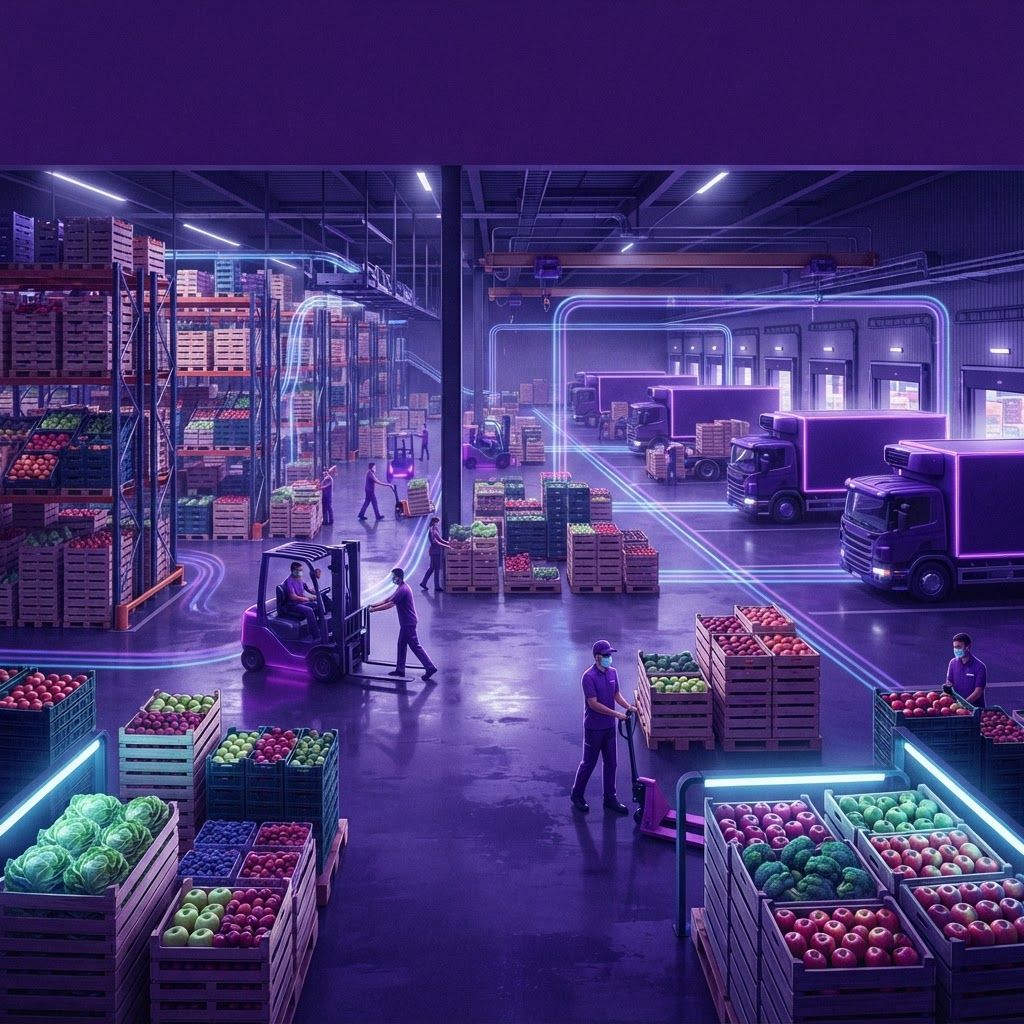
Feeding a Food-Obsessed Region
Sonoma County's reputation rests substantially on food and drink. Restaurants, tasting rooms, hotels, caterers, specialty grocers, schools and healthcare facilities all require consistent supply, and behind every plate is a distribution network that must perform daily. Food wholesalers in Santa Rosa operate in an unusually demanding environment because local chefs expect both broad-line reliability and access to exceptional regional ingredients.
That expectation has produced a distribution landscape with real depth: broad-line distributors carrying thousands of items, specialty produce houses working directly with growers, protein specialists, seafood suppliers, bakery and dairy distributors, and importers serving specific cuisines.
Types of Food Wholesalers
Broad-line distributors supply the majority of an operator's needs across produce, protein, dry goods, dairy and disposables in a single delivery. Specialty produce distributors focus on quality and seasonality, often working directly with local farms. Protein distributors provide meat and poultry with custom cutting and portioning. Seafood distributors manage the shortest and most fragile supply chain of all. Dairy and bakery distributors deliver frequently due to shelf life. Specialty and import distributors supply cheeses, oils, spices and regional ingredients that define distinctive menus.
Top 10 Food Wholesalers Serving Santa Rosa
1. Redwood Empire Food Distributors
A broad-line distributor serving restaurants, hotels and institutions with produce, proteins, dry goods and supplies. Consistent delivery windows and accurate order fulfillment are the foundation of its long-term accounts.
2. Sonoma Farm Direct Produce
Working directly with county growers, this distributor supplies seasonal produce with short harvest-to-delivery timelines, giving chefs access to varieties that longer supply chains cannot support.
3. North Bay Protein Company
Supplying beef, pork, poultry and game with custom cutting and portioning, this distributor helps kitchens control costs through precise specification and consistent yields.
4. Coastal Ridge Seafood Distribution
Delivering fresh and frozen seafood with tight cold chain control and clear sourcing information, this supplier serves restaurants where freshness is immediately apparent to guests.
5. Laguna Specialty Foods
Distributing artisan cheeses, cured meats, oils, vinegars and imported pantry items, Laguna supports the charcuterie and tasting menu programs common throughout wine country hospitality.
6. Bennett Valley Dairy Distribution
Providing milk, cream, butter, yogurt and cultured products on frequent delivery schedules, this distributor serves cafes, bakeries and restaurants where dairy freshness drives quality.
7. Mark West Bakery Supply
Supplying flour, baking ingredients, frozen dough and finished baked goods, this wholesaler serves both production bakeries and restaurants without in-house baking programs.
8. Russian River Beverage Distribution
Distributing non-alcoholic beverages, coffee, tea and related supplies to hospitality and retail customers, with equipment support for brewing and dispensing systems.
9. Airport Institutional Food Service
Serving schools, healthcare facilities and large institutional kitchens with bulk products, nutritional documentation and delivery schedules built around service periods.
10. Sebastopol Road Organic Wholesale
Focusing on certified organic produce, grocery and bulk items, this distributor serves natural grocers, cooperatives and restaurants with organic-forward menus.
Cold Chain and Food Safety
Temperature control is the defining operational challenge in food distribution. Every transfer point introduces risk, and a distributor's discipline around refrigerated storage, truck temperature monitoring, loading practices and delivery timing directly affects product quality and safety.
Operators should ask distributors about temperature monitoring records, recall procedures, traceability systems and food safety certification. Receiving practices matter equally: checking temperatures at delivery, inspecting product condition and refusing substandard items protects both the kitchen and the guest.
Local Sourcing as Competitive Advantage
Sonoma County diners notice provenance. Menus that name farms and ranches carry credibility, and distributors that maintain genuine grower relationships enable that storytelling. Local sourcing also shortens transit time, which improves shelf life and reduces waste.
The trade-off is seasonality and variability. Local supply fluctuates with weather and harvest cycles, requiring menu flexibility. Kitchens that write menus around what is available, rather than forcing availability to match a fixed menu, get the most from local distribution partners.
Controlling Food Costs
Food cost control depends more on process than on price negotiation. Standardized recipes, accurate portioning, systematic inventory counts, waste tracking and menu engineering typically deliver larger savings than switching suppliers. That said, order consolidation, delivery frequency optimization and honest conversations about volume commitments can meaningfully improve pricing.
Distributors that provide usage reporting help operators see patterns they would otherwise miss, including creeping price increases on high-volume items and substitutions that affect yield.
Choosing a Food Distributor
Reliability outranks everything. Evaluate fill rates, delivery punctuality, substitution policies, credit handling for damaged goods and the responsiveness of the account representative. Consider whether the distributor understands your specific segment, since fine dining, institutional feeding and retail grocery require different service models. Santa Rosa operators generally build a portfolio, combining one broad-line supplier with several specialists, and the distributors listed above each earn a place in that mix.
The Outlook for Food Distribution
Food distribution in Sonoma County is becoming more data driven without losing its relationship foundation. Operators increasingly expect usage reporting, order guides tailored to their menus and transparent communication about shortages and substitutions. At the same time, the region s emphasis on provenance ensures that direct grower relationships remain a competitive advantage. Distributors that combine modern logistics discipline with genuine sourcing depth will continue to define the market.