
The Food Scene in Santa Maria
Santa Maria is famous for its tri-tip barbecue tradition, cooked over red oak and served with pinquito beans and fresh salsa. Beyond barbecue, the city has a vibrant mix of Mexican restaurants, wine country dining, cafes, and food trucks. Schools, hospitals, senior living communities, and event caterers also require large quantities of food every day.
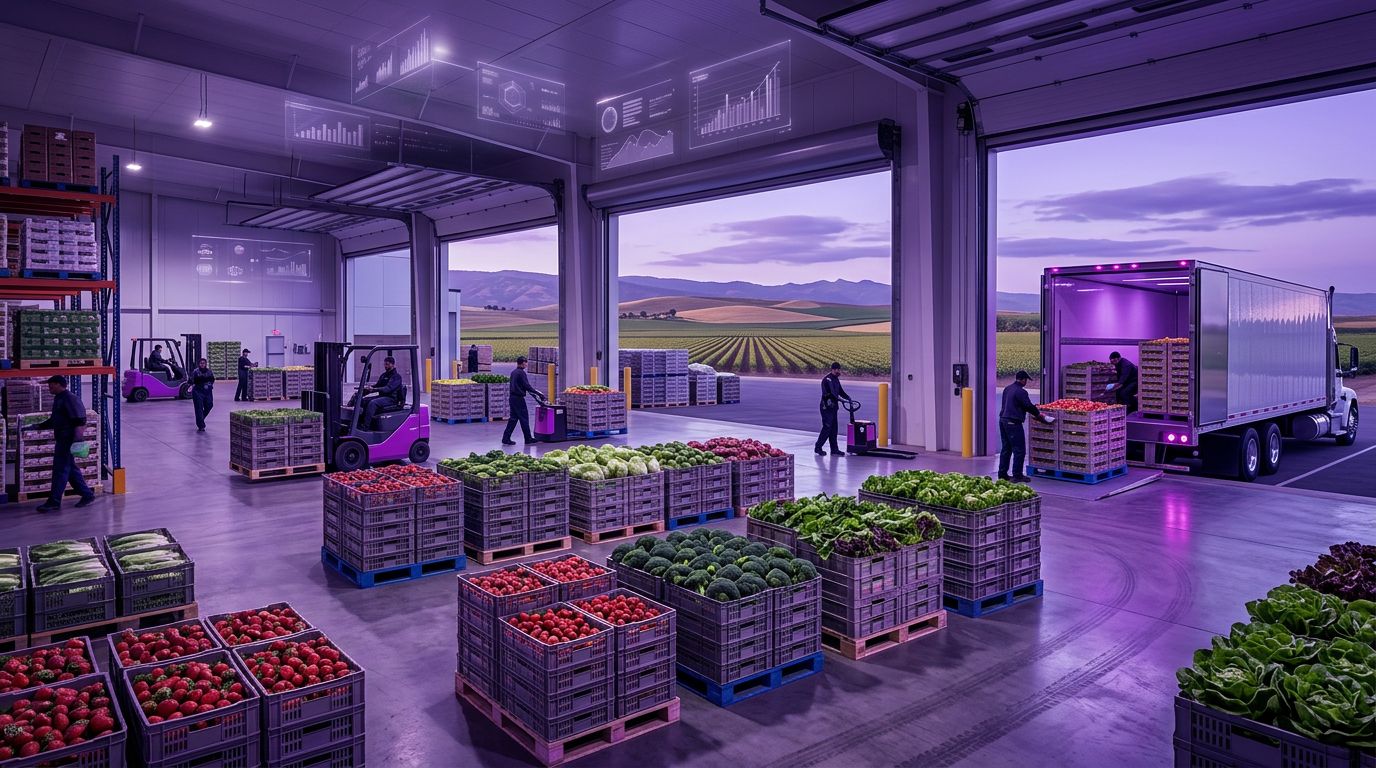
The surrounding valley is one of the most productive farming areas in the nation, growing strawberries, broccoli, lettuce, celery, and cauliflower. This abundance gives local food businesses access to exceptionally fresh ingredients. Food wholesalers play a critical role by combining local produce with proteins, dairy, dry goods, and kitchen supplies in a single dependable delivery.
Top 10 Food Wholesalers Serving Santa Maria
1. Sysco
Sysco is the largest foodservice distributor in North America. Its Central California operations deliver to restaurants, schools, and healthcare facilities throughout the Santa Maria Valley. Sysco offers fresh produce, meat, seafood, dairy, and kitchen equipment, along with menu planning and business consulting services.
2. US Foods
US Foods provides a broad catalog of foodservice products, including exclusive brands and chef-inspired items. Its online ordering platform and inventory tools help restaurant operators control costs. US Foods also offers culinary support to help kitchens develop new menu items and improve efficiency.
3. Performance Foodservice
Performance Foodservice serves independent restaurants, chains, and institutions with a wide range of products. Its customer-focused approach includes dedicated sales representatives and flexible delivery schedules. Many family-owned restaurants appreciate its personalized service and attention to detail.
4. Smart & Final
Smart & Final is a California-based warehouse grocery chain that caters to small businesses, nonprofits, and households. It offers bulk quantities without membership fees, making it convenient for caterers, food trucks, and community organizations preparing large events.
5. Costco Business Center
Costco and its business-focused offerings provide bulk food, beverages, and supplies at competitive prices. Small restaurants and offices use Costco for staples, snacks, and cleaning products. Its consistent quality and generous return policy make it a reliable option for growing businesses.
6. Restaurant Depot
Restaurant Depot is a members-only cash-and-carry wholesaler designed for foodservice professionals. It carries large-format proteins, produce, dairy, and kitchen equipment. Operators who prefer to hand-select their products and avoid delivery minimums often favor this format.
7. UNFI
United Natural Foods, known as UNFI, is a leading distributor of natural, organic, and specialty foods. Independent grocers and health food stores rely on UNFI for organic produce, plant-based products, and wellness items that meet growing consumer demand for healthier choices.
8. KeHE Distributors
KeHE specializes in natural, organic, and specialty products, including fresh and refrigerated items. Its focus on emerging brands helps local markets offer unique products. KeHE also supports retailers with category management insights and merchandising expertise.
9. The Chefs' Warehouse
The Chefs' Warehouse supplies specialty ingredients to fine dining restaurants, hotels, and caterers. Its selection includes artisan cheeses, charcuterie, premium oils, and imported specialties. Wine country restaurants near Santa Maria use it to source ingredients that complement local wines.
10. Shamrock Foods
Shamrock Foods is a family-owned foodservice distributor serving the western United States. It offers fresh and frozen products, dairy, and equipment, along with strong customer service. Its culinary specialists provide training and menu development support for restaurant clients.
How to Choose a Food Wholesaler
Consider your business size, menu, and delivery needs. Large distributors such as Sysco and US Foods offer convenience and breadth, while specialty suppliers provide unique ingredients. Cash-and-carry options are ideal for businesses that want flexibility and lower minimums.
Evaluate food safety practices, cold chain management, and product traceability. Ask about delivery windows, order cutoff times, and how substitutions are handled. Strong relationships with local farms can also be a plus, as fresh Santa Maria Valley produce can elevate your menu and support the regional economy.
Trends in Food Distribution
Restaurants are increasingly highlighting local sourcing and seasonal menus. Plant-based proteins, global flavors, and allergen-friendly products continue to grow. Distributors are investing in digital ordering tools, route optimization, and sustainable packaging to improve efficiency and reduce waste.
Rising food costs are encouraging operators to use data analytics to track purchasing patterns and adjust menus for profitability while maintaining the quality that Santa Maria diners expect.
Frequently Asked Questions
Can I buy directly from Santa Maria Valley farms?
Many restaurants combine broadline distributor deliveries with direct purchases from local growers and farmers markets. This hybrid approach lets kitchens highlight peak-season strawberries, greens, and vegetables while still relying on a distributor for proteins, dairy, and dry goods.
What delivery frequency do restaurants typically need?
Busy restaurants often receive deliveries two to five times per week to keep produce fresh and storage manageable. Smaller cafes may order weekly and supplement with cash-and-carry trips for last-minute needs.
Final Thoughts
Santa Maria's food businesses are supported by a strong network of wholesalers that deliver quality, variety, and reliability. Whether you run a barbecue restaurant, a school cafeteria, or a specialty market, partnering with the right distributor will help you serve great food while managing costs effectively.