
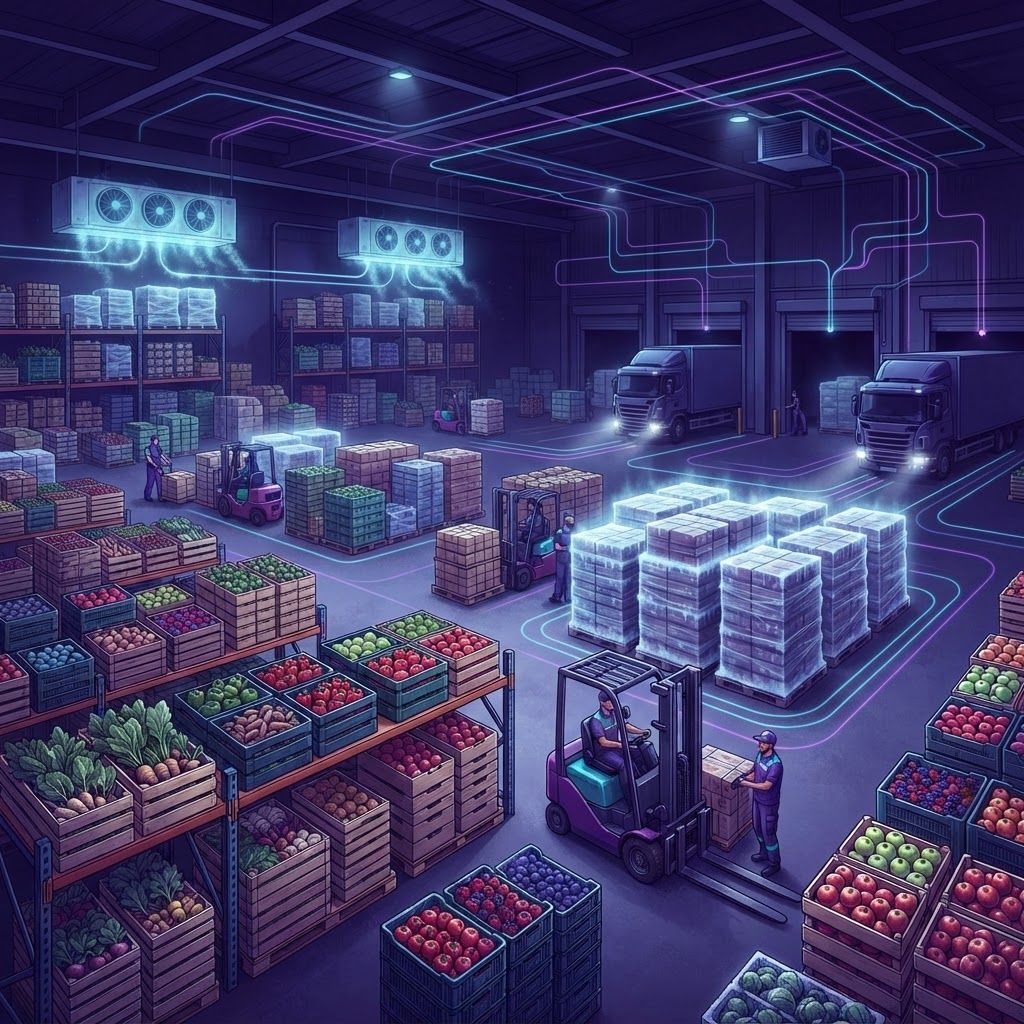
Feeding a Demanding Market
North Hempstead has one of the more sophisticated food scenes in Nassau County, spanning neighborhood bakeries, kosher markets, Mediterranean and Asian restaurants, high-end caterers, country clubs, schools, and healthcare kitchens. That diversity creates unusually varied wholesale demand. A distributor here may deliver specialty flours to a bakery in the morning and case-lot produce to a school kitchen in the afternoon.
Geography helps. Proximity to Hunts Point and regional distribution hubs means fresh product arrives quickly, while local wholesalers add value through smaller drop sizes, flexible ordering windows, and knowledge of individual operators' menus. For a restaurant working on thin margins, a distributor who catches an ordering error before delivery is worth more than a marginally better case price.
Evaluation Criteria
These wholesalers were assessed on product quality and consistency, cold-chain integrity, delivery reliability, breadth of catalog, food safety practices, and responsiveness to independent operators. Distributors offering flexible minimums and genuine substitution guidance were prioritized, because kitchens live and die by fill rates.
The Top 10 Food Wholesalers in North Hempstead
1. Hempstead Food Service Distributors
A broad-line distributor covering dry goods, frozen, dairy, and disposables, Hempstead Food Service Distributors serves restaurants and institutions with scheduled routes and a single consolidated invoice. Its account representatives help operators manage cost through spec changes rather than simple price shopping.
2. Roslyn Produce Wholesale Co.
Fresh fruit and vegetables arrive daily, with early-morning delivery windows that suit kitchens prepping for lunch service. Roslyn Produce Wholesale Co. is respected for grading honesty and for sourcing local Long Island crops in season, which chefs use as menu features.
3. Manhasset Meat & Seafood Purveyors
Custom cutting, portion control, and dry-aging capability distinguish this purveyor. Manhasset Meat & Seafood Purveyors provides consistent portioning that stabilizes plate cost, and its seafood program emphasizes traceability and short handling chains.
4. Great Neck Kosher Food Distributors
Certified products across grocery, frozen, and fresh categories are supplied with strict supervision protocols. Great Neck Kosher Food Distributors serves markets, caterers, schools, and institutions where certification integrity is non-negotiable, and it manages holiday demand surges well.
5. New Hyde Park Dairy & Beverage Supply
Milk, cream, cheese, yogurt, juices, and coffee programs are delivered on tight cold-chain schedules. New Hyde Park Dairy & Beverage Supply also services dispensing equipment, which reduces downtime for cafes and delis.
6. Williston Bakery Ingredients Wholesale
Flours, chocolate, fillings, yeast, and decorating supplies come from this specialist. Williston Bakery Ingredients Wholesale offers technical advice on formulation and can source specialty and imported ingredients that broad-line distributors do not stock.
7. Albertson Specialty & Imported Foods
Olive oils, cheeses, cured meats, spices, and regional specialties support chefs building distinctive menus. Albertson Specialty & Imported Foods is known for tasting sessions that let operators evaluate products properly before committing.
8. Port Washington Seafood Wholesale
Local catch, shellfish, and daily market fish define this business, with proximity to the water reflected in freshness. Port Washington Seafood Wholesale provides catch information and handling guidance, helping kitchens maximize yield and reduce waste.
9. Searingtown Organic Food Distributors
Certified organic produce, pantry items, and natural products are supplied to health-focused restaurants, cafes, and retailers. Searingtown Organic Food Distributors maintains certification documentation that customers can display with confidence.
10. Herricks Restaurant Supply & Foods
Combining food distribution with smallwares, packaging, and cleaning supplies, Herricks Restaurant Supply & Foods simplifies purchasing for small operators who prefer fewer vendors and fewer delivery interruptions during service.
Trends in Food Wholesale
Local sourcing has moved from marketing to menu strategy. Chefs promote Long Island produce, seafood, and artisanal products, and distributors that can document origin gain a real advantage. Traceability has become equally important for food safety and for customer storytelling.
Cost volatility is reshaping relationships. Operators increasingly want forward pricing on key items, spec alternatives when a product spikes, and transparent explanations of increases. Waste reduction has become a shared project, with right-sized ordering, better portion specs, and improved storage guidance saving more money than negotiation.
Technology adoption continues, with online ordering, order-guide analytics, and delivery tracking now standard expectations. Sustainability appears through packaging reduction, reusable totes, and route efficiency, all of which also lower distributor cost.
Building a Resilient Supply Program
Avoid single-sourcing critical items. A primary broad-line distributor paired with specialists for produce, protein, and specialty goods provides both efficiency and protection when a shipment falls short. Track fill rate by vendor; a low price with a poor fill rate costs far more in menu disruption.
Standardize specifications in writing, including size, grade, pack, and brand equivalents you will accept. This makes substitutions manageable rather than disruptive. Inspect every delivery for temperature and condition, and document issues immediately, since credits become difficult later.
Review order guides quarterly with your representative. Menus change, and stale guides quietly accumulate items nobody uses. Finally, verify food safety credentials, including facility inspections, transport temperature controls, and recall procedures. A distributor's compliance failure becomes your reputation problem.
Final Thoughts
Food wholesalers in North Hempstead support a genuinely diverse culinary community, from kosher markets to waterfront seafood kitchens. The best relationships are consultative, with representatives who understand your menu, protect your margins, and warn you before a problem reaches your dining room. Diversify thoughtfully, document your specifications, and judge partners on consistency rather than a single quote.