
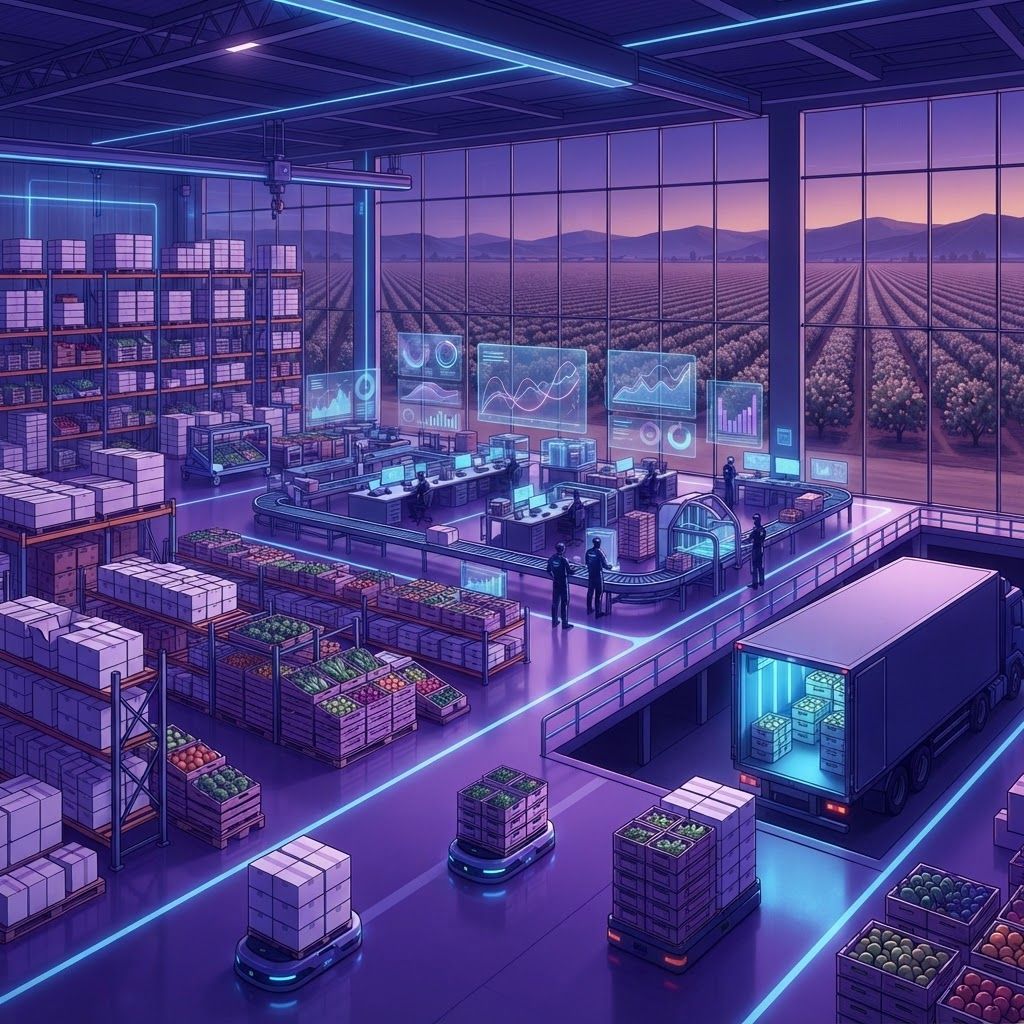
Food Distribution in the Heart of the Valley
Modesto occupies an unusual position in the food supply chain. It is simultaneously a major producer, processor, and consumer market. Almonds, walnuts, milk, poultry, tomatoes, stone fruit, and wine are produced within a short radius. Large processing operations convert that raw production into shipped goods. And the local restaurant, retail, school, and healthcare sectors need to buy food back through conventional distribution channels.
That creates an interesting dynamic. Modesto buyers have access to national broadline distributors with enormous catalogs, specialty and ethnic distributors serving the region's diverse food culture, produce wholesalers with genuinely direct grower relationships, and the option of buying certain items directly from local farms and processors. Understanding when to use each channel is what separates well-managed food cost from a bloated one.
The Top 10 Food Wholesalers Serving Modesto
1. Sysco
The largest foodservice distributor in North America, supplying restaurants, healthcare, education, and hospitality with an extremely broad catalog covering center-of-plate proteins, produce, dry goods, frozen items, disposables, and equipment. Sysco's value in Modesto is one-stop convenience, reliable scheduled delivery, and business support services including menu costing and operational consulting.
2. US Foods
A principal competitor with comparable breadth and strong emphasis on exclusive brands and digital ordering tools. US Foods is frequently selected by independent Modesto restaurants for its inventory management technology and menu development support, and competition between the two national broadliners generally works in the buyer's favor.
3. Performance Food Group
A major broadline and specialty distributor whose brands serve both foodservice and convenience channels. Its specialty divisions bring higher-end and specialty products that general broadline catalogs may not carry, which appeals to Modesto's growing independent restaurant and winery hospitality segment.
4. Gordon Food Service
A large privately held foodservice distributor known for customer service and its store-based cash-and-carry model in some markets. That combination of scheduled delivery plus walk-in purchasing suits smaller operators whose volumes fluctuate and who occasionally need product immediately rather than on the next delivery day.
5. Restaurant Depot
A cash-and-carry wholesale warehouse serving licensed food businesses with no minimum order and warehouse pricing. It fills a genuinely important role for small Modesto restaurants, caterers, and food trucks that cannot meet broadline delivery minimums or need same-day product when a weekend runs unexpectedly busy.
6. Chef'store by US Foods
Another cash-and-carry format serving both professional and public customers with bulk food, disposables, and equipment. Its accessibility makes it useful for supplementing scheduled deliveries and for smaller operations building their purchasing patterns before committing to delivery contracts.
7. Pro Pacific Fresh
Representative of the regional produce and specialty distribution segment serving Northern and Central California. Given Stanislaus County's location, produce distributors here can offer genuinely short supply chains, sometimes moving product from field to kitchen within a day, which delivers quality that national logistics cannot replicate.
8. Blue Diamond Growers
Headquartered nearby and one of the largest almond processing and marketing cooperatives in the world, with major Central Valley operations. It illustrates the region's role as a producer rather than merely a consumer, supplying almond products into food manufacturing and retail channels globally while sourcing from local growers.
9. Foster Farms
A major California poultry producer with significant Central Valley operations, supplying fresh and processed poultry to retail, foodservice, and institutional customers. Its regional production means shorter distribution distances and fresher product for local buyers compared with poultry shipped across the country.
10. Local Farms, Processors and Farmers Market Channels
Stanislaus County growers, dairies, nut hullers, and small processors sell directly to restaurants, institutions, and retailers through farm-direct arrangements, food hubs, and farmers markets. For chefs pursuing local sourcing and for schools operating farm-to-school programs, these relationships offer quality and story value that distribution catalogs cannot match, though they require more purchasing effort and flexible menu planning.
Cold Chain Integrity
Food distribution succeeds or fails on temperature control. Refrigerated products must remain within safe ranges continuously, and frozen products must not experience partial thaw cycles that degrade quality. Buyers should verify delivery temperatures on receipt, reject product outside specification, maintain receiving logs, and confirm that distributors use monitored refrigerated equipment. In valley summer conditions with sustained extreme heat, cold chain discipline requires more attention than in milder climates, and dock time becomes a genuine risk factor.
Food Safety and Traceability
Regulatory requirements have increased traceability expectations substantially. Distributors and buyers must be able to identify where product came from and where it went, at lot level, quickly enough to support a recall. Buyers should confirm that distributors maintain third-party food safety certification, request supplier approval documentation for high-risk categories, retain invoices and lot records systematically, and understand recall notification procedures before an incident occurs rather than during one.
Managing Food Cost
Purchasing discipline matters more than negotiated pricing in most operations. Practical levers include narrowing your ordered item list to reduce inventory complexity, using distributor exclusive brands where quality is comparable to national brands, ordering to a par level rather than by impression, tracking price movement on your highest-spend items rather than the whole catalog, consolidating orders to reduce delivery frequency where storage permits, and reviewing invoices against quoted pricing consistently. Seasonal produce buying, which in Stanislaus County is unusually advantageous, can meaningfully reduce cost while improving quality.
Choosing Distribution Partners
Most successful Modesto operations use a hybrid approach: a primary broadline distributor for the majority of items, a produce specialist for fresh quality, a cash-and-carry source for gaps and emergencies, and direct local relationships for signature ingredients. When evaluating a primary distributor, weigh delivery day and window against your prep schedule, order minimums against your storage capacity, the quality of the ordering platform, substitution policies, fill rate performance, and the responsiveness of your assigned representative. Fill rate in particular is worth tracking, since a low price on items that do not arrive is no bargain.
Conclusion
Modesto's food wholesale environment is genuinely advantaged by geography. Buyers here can combine the catalog breadth and reliability of national distributors with produce, dairy, poultry, and nut sourcing of a freshness that most of the country cannot access at any price. Operators who deliberately build across both channels consistently achieve better food cost and better plates.