
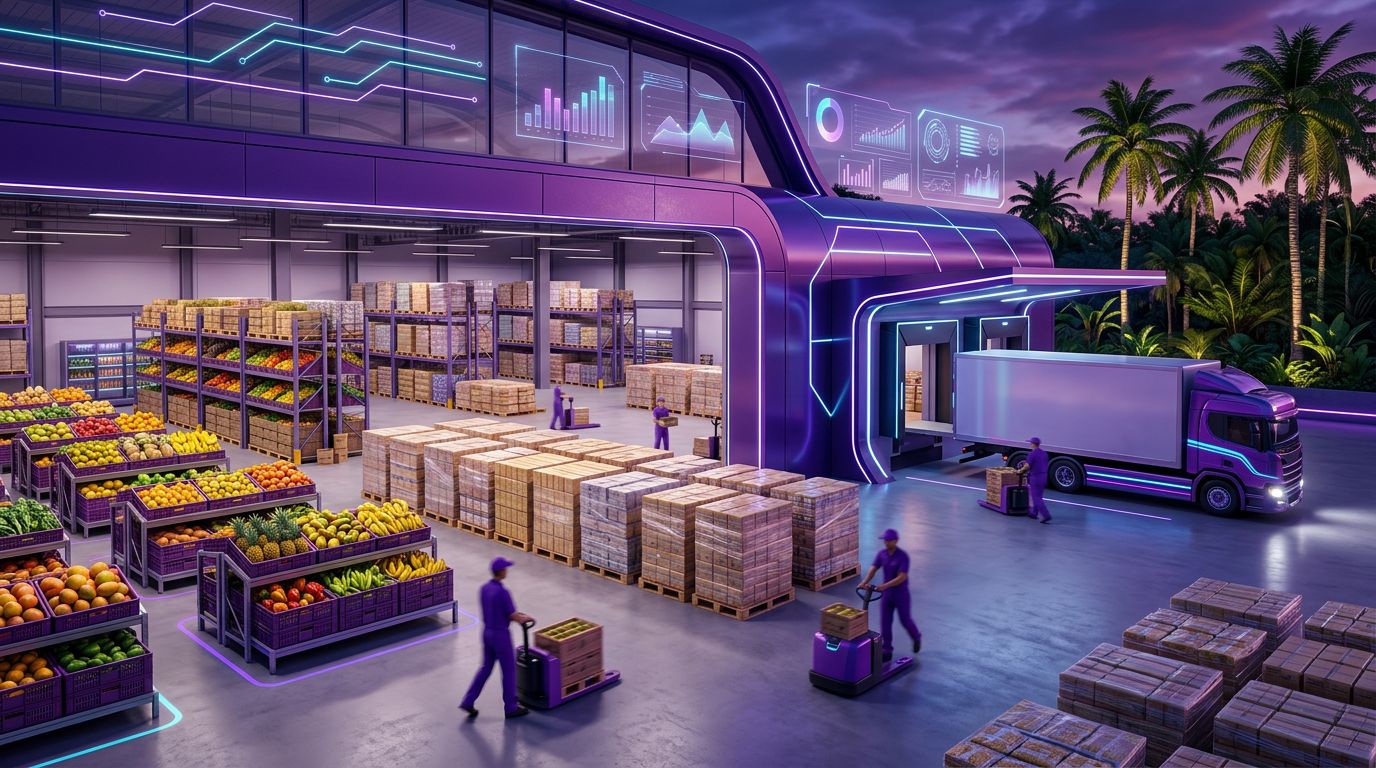
The Food Service Landscape in Miami Gardens
Miami Gardens has a lively food scene that reflects the diverse cultures of South Florida. Caribbean, Latin American, Southern, and soul food restaurants line major corridors, while food trucks and caterers serve events at Hard Rock Stadium and community gatherings throughout the year. Corner markets, schools, churches, and healthcare facilities also require dependable food supply. Behind every successful operation is a strong relationship with food wholesalers.
South Florida's position as a major import hub means wholesalers here carry an exceptional range of international products, including tropical produce, Latin American staples, and Caribbean specialty items. The wholesalers below stand out for product variety, reliability, and service.
How to Choose a Food Wholesaler
Consider product range, freshness and food safety standards, delivery frequency, order minimums, pricing transparency, and customer support. Restaurants should also evaluate menu planning assistance, digital ordering tools, and the wholesaler's ability to source specialty or culturally specific ingredients.
The Top 10 Food Wholesalers Serving Miami Gardens
1. Sysco
Sysco is the largest foodservice distributor in the world, with a major South Florida operation serving restaurants, hotels, schools, and hospitals. It offers fresh produce, meats, seafood, dairy, dry goods, and supplies, along with menu consulting and business resources that help operators improve profitability.
2. US Foods
US Foods supplies restaurants and institutions with an extensive catalog and exclusive brands. Its digital ordering platform, inventory tools, and chef support programs help independent restaurants compete with larger chains. The company also operates CHEF'STORE locations for smaller cash-and-carry purchases.
3. Cheney Brothers
Based in Riviera Beach, Florida, Cheney Brothers is one of the largest independent foodservice distributors in the Southeast. Its family-owned culture, personalized service, and deep Florida roots make it a favorite among local restaurants seeking a responsive partner.
4. Gordon Food Service
Gordon Food Service is a family-owned distributor with a growing Florida footprint. It offers broadline distribution for restaurants and institutions, along with retail stores where small businesses and families can buy in bulk without an account.
5. Restaurant Depot
Restaurant Depot is a membership-based cash-and-carry wholesaler that serves independent restaurants, caterers, and food trucks. Its warehouse format allows operators to shop in person, compare products, and pick up what they need immediately, which is ideal for last-minute needs.
6. Performance Food Group
Performance Food Group distributes food and food-related products to restaurants, convenience stores, and institutions. Its specialty divisions serve vending, theaters, and convenience retailers, making it a versatile partner for diverse businesses.
7. The Chefs' Warehouse
The Chefs' Warehouse specializes in premium and artisanal ingredients for fine dining restaurants, hotels, and specialty markets. It operates in South Florida and offers specialty cheeses, meats, seafood, and imported goods that help chefs elevate their menus.
8. Goya Foods
Goya Foods is the largest Hispanic-owned food company in the United States and maintains a significant presence in Miami. Restaurants and grocers rely on Goya for beans, rice, spices, frozen foods, and Latin American staples essential to many local cuisines.
9. Sam's Club
Sam's Club provides bulk groceries and supplies for small businesses, offices, and families. Its business membership offers extended hours, curbside pickup, and delivery, making it a convenient option for small operators and event planners.
10. Costco Business Center
Costco Business Center locations cater specifically to restaurants, convenience stores, and offices, with larger pack sizes and foodservice products. Delivery options and competitive pricing make it a useful supplement to traditional distributors.
Trends in Food Wholesale
Digital ordering and data analytics are transforming how restaurants manage inventory and control food costs. Demand for local and sustainable sourcing is growing, along with plant-based proteins and healthier menu options. Supply chain resilience has become a priority after recent disruptions, prompting operators to work with multiple suppliers. In South Florida, cultural ingredients from the Caribbean and Latin America remain in particularly high demand.
Tips for Managing Food Costs
Track inventory weekly and calculate plate costs for every menu item. Negotiate pricing on high-volume items and review invoices for substitutions. Consolidate deliveries to reduce fees. Keep relationships with both a broadline distributor and a cash-and-carry option for flexibility. Finally, maintain strict cold chain practices, since Miami's heat can quickly compromise perishable products.
Preparing for Hurricane Season
Food businesses in Miami Gardens should coordinate with wholesalers well before storms threaten. Ask about emergency delivery schedules, shelf-stable product options, and how the distributor prioritizes customers after major weather events. Keeping a modest reserve of dry goods, backup power for refrigeration, and clear communication channels with suppliers helps restaurants reopen faster and serve the community when it needs them most.
Independent operators should also review supplier contracts at least once a year to make sure pricing, delivery windows, and service levels still match their needs as the business grows.
Final Thoughts
Reliable food wholesalers are the foundation of every thriving restaurant, caterer, and market in Miami Gardens. The ten companies above combine product variety, quality, and service, helping local food businesses deliver great meals while protecting their bottom line.