
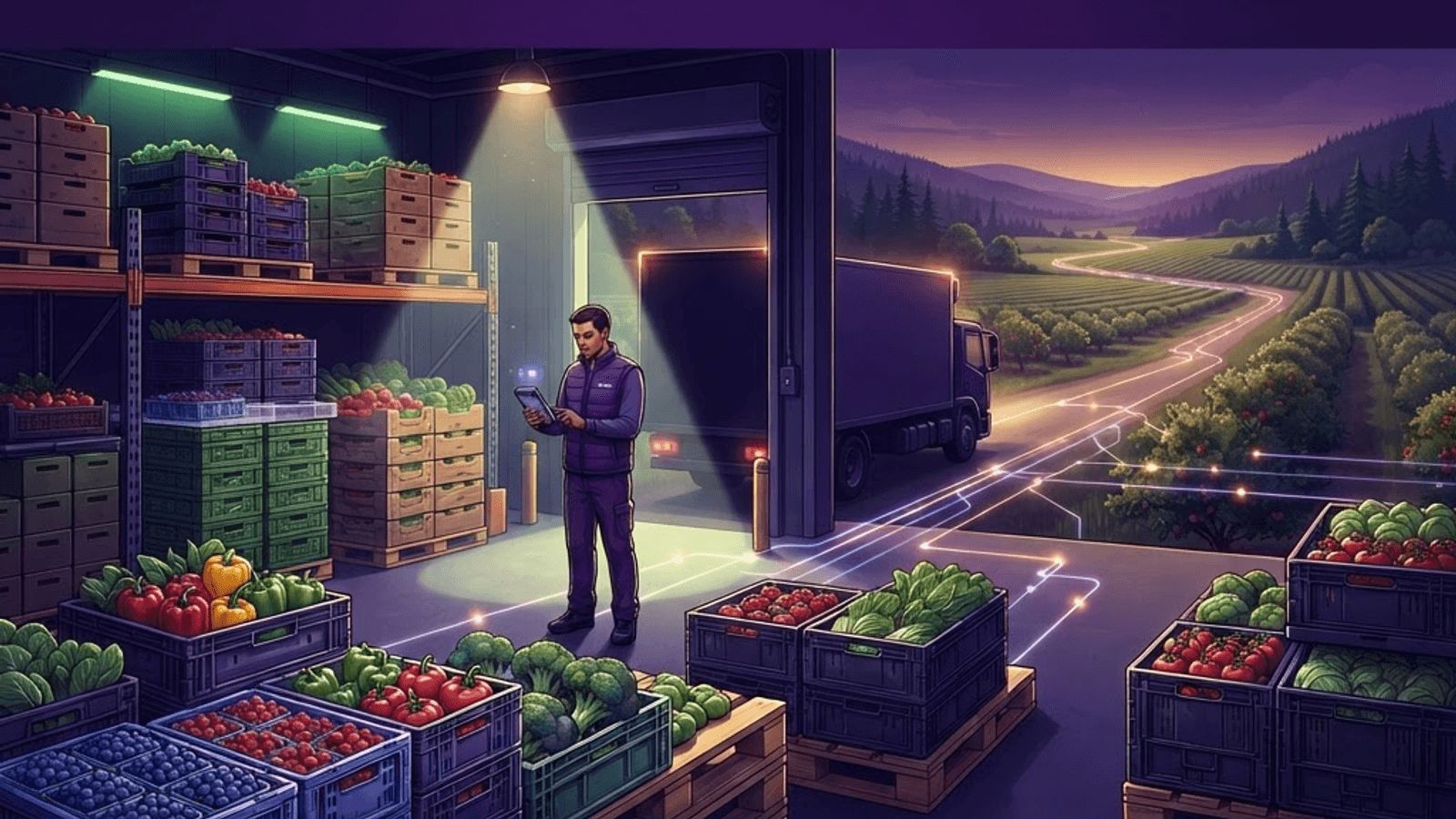
Food Distribution in the Willamette Valley
Eugene sits in one of the most agriculturally productive valleys in North America. Within a short drive, growers produce berries, hazelnuts, grass seed, vegetables, wine grapes, hops, mint, and grains, while nearby coastal fisheries supply seafood and the surrounding hills support pasture-raised livestock. That abundance shapes the city's food distribution sector profoundly.
Eugene restaurants have built their identity on local sourcing, and the wholesalers serving them have adapted accordingly. Alongside broadline distributors carrying everything a kitchen needs, the region supports specialty distributors focused on local farms, organic products, and small-producer goods. The combination gives chefs unusual flexibility.
The Top 10 Food Wholesalers in Eugene
1. Willamette Valley Produce Company
Sourcing directly from valley farms in season and supplementing with regional and imported product otherwise, this distributor supplies restaurants, grocers, and institutions. Its availability lists note which items are locally grown that week, letting chefs build menus around genuine seasonality.
2. Emerald Broadline Foodservice
Carrying dry goods, frozen items, dairy, proteins, and supplies in a single order, Emerald serves restaurants, schools, and care facilities needing consolidated delivery. Multiple weekly deliveries and reliable order accuracy are the operational strengths kitchens depend on.
3. Cascade Meat and Seafood
Supplying custom-cut proteins and Pacific seafood, this wholesaler handles portioning to chef specification and maintains cold chain documentation throughout distribution. Its relationships with regional ranchers and coastal fisheries support traceable sourcing claims.
4. Lane Organic Distribution
Certified organic produce, pantry items, and packaged goods are distributed here to natural grocers, cooperatives, and restaurants. The company maintains organic handler certification and provides documentation that retailers require for their own certification compliance.
5. Pacific Bakery Supply
Flour, specialty grains, chocolate, leavening, and finished bakery components serve the region's substantial artisan baking community. Its bulk flour program and access to regionally milled grains support bakeries emphasizing local ingredients.
6. Riverfront Beverage Distribution
Coffee, tea, juices, and non-alcoholic beverages are distributed to cafes, restaurants, and offices, alongside equipment and service support. Given Eugene's dense coffee culture, its roaster relationships and equipment maintenance capability are particularly valuable.
7. Skinner Butte Specialty Foods
Imported cheeses, cured meats, oils, vinegars, and international pantry items reach specialty retailers and restaurants through this distributor. It focuses on smaller producers and educates buyers on product background, which helps shops sell higher-margin items effectively.
8. Valley Farm Direct Cooperative
Aggregating product from dozens of small valley farms, this cooperative provides institutional buyers with a single point of purchase for local goods. It has made local sourcing practical for school districts and hospitals whose procurement systems cannot manage dozens of individual vendors.
9. Northwest Restaurant Supply
Beyond food, kitchens need smallwares, disposables, cleaning chemicals, and equipment. This wholesaler consolidates those categories and supports customers with equipment selection and replacement parts, reducing downtime when critical gear fails.
10. Green Harvest Wholesale
Focusing on plant-based proteins, bulk grains and legumes, and low-packaging distribution, Green Harvest serves restaurants and grocers responding to growing demand for plant-forward menus. Its bulk programs reduce packaging waste meaningfully for high-volume kitchens.
Food Safety and Compliance
Food distribution carries serious responsibility. Temperature control throughout the cold chain, allergen segregation, traceability for recall response, and documented sanitation practices are non-negotiable. Reputable wholesalers maintain third-party audit certifications and will share their most recent audit results on request.
Buyers should verify that a distributor can produce lot traceability quickly, since recall response time determines both public health outcomes and business exposure.
Trends in Food Wholesale
Local sourcing has matured from a marketing angle into operational practice, supported by aggregation models that solve the logistics problems small farms face. Institutional buyers, once unable to purchase locally due to procurement constraints, are now significant customers for regional product.
Labor pressure in kitchens has increased demand for prepared and portioned items that reduce prep time without compromising quality. Distributors offering value-added processing are growing faster than those supplying raw commodities alone.
Sustainability expectations now extend to packaging, delivery efficiency, and food waste reduction. Programs that recover surplus product for donation or redirect trim to secondary uses are becoming standard among leading distributors.
How to Choose a Food Wholesaler
Delivery reliability is the foundation. Late or incomplete deliveries disrupt service in ways that no discount compensates for, so evaluate on-time and fill rate performance rather than price alone. Confirm order cutoff times, delivery windows, and how substitutions are handled and communicated.
Assess product quality consistently over several weeks rather than judging a single order. Review credit terms and minimum order requirements against your cash flow. For restaurants emphasizing local sourcing, verify that origin claims are documented. Finally, consider using a combination of broadline and specialty distributors, which most successful kitchens do, balancing convenience against quality and distinctiveness.
Final Thoughts
Eugene's food wholesalers reflect the richness of the Willamette Valley's agriculture and the sophistication of its restaurant community. Whether a kitchen needs consolidated broadline delivery, direct-from-farm produce, custom protein cutting, or specialty imports, the region offers capable partners. The ten distributors profiled here provide the reliability, quality, and local connection that Eugene food businesses depend on.