
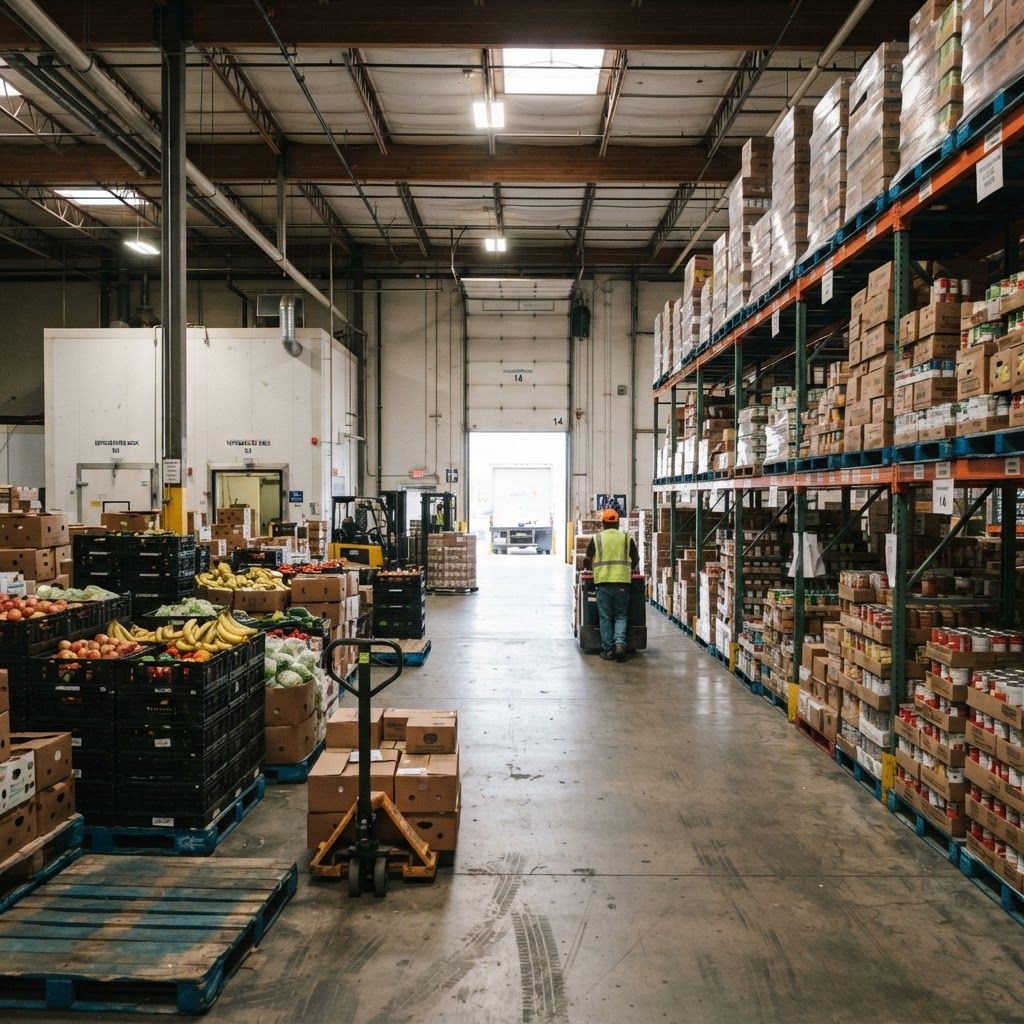
Buffalo has become a genuinely interesting food city. The wings that made it famous now share attention with a diverse restaurant scene, a strong Italian and Polish culinary heritage, growing West African and Burmese communities with their own food traditions, and a farm belt close enough that seasonal local sourcing is practical rather than aspirational. All of that depends on food wholesalers who move product reliably, safely and at workable margins.
How Food Distribution Is Organized
Restaurants typically work with several supplier types simultaneously. Broadline distributors carry everything from proteins to paper goods in one delivery, offering convenience and consolidated ordering. Specialty distributors focus on a category such as produce, seafood or cheese, providing deeper selection and greater expertise. Cash and carry operations serve smaller volumes with no minimum, useful for filling gaps between deliveries. Direct farm relationships supply seasonal local product. Most successful kitchens combine a broadline primary with two or three specialists.
Ten Food Wholesalers Serving Buffalo
Queen City Food Distributors operates as a full broadline supplier covering proteins, frozen goods, dry storage, dairy and disposables. Consistent delivery windows and a single invoice simplify operations for restaurants without dedicated purchasing staff, and account representatives assist with menu costing.
Niagara Produce Wholesale supplies fresh fruits and vegetables with an emphasis on Western New York growers during the season. Chefs value early notice on what is coming into availability, which allows menus to follow the harvest rather than react to it.
Lake Erie Seafood Company distributes fresh and frozen seafood including regional freshwater species alongside imported product. Cold chain discipline and clear sourcing information support both restaurants and retailers, and Friday demand during Lent remains a defining seasonal peak.
Buffalo Meat and Provisions provides beef, pork, poultry and house-made sausage with custom cutting to specification. Portion consistency directly affects food cost control, and the ability to order specific cuts and weights helps kitchens protect margins.
Frontier Italian Foods specializes in imported and domestic Italian products including cured meats, cheeses, dry pasta, olive oils and tomatoes. Given the region's deep Italian culinary roots, this category supports both restaurants and independent grocers throughout Erie and Niagara counties.
Cataract Bakery Supply distributes flour, mixes, fillings, chocolate and packaging to bakeries and pastry kitchens. Technical support on formulation and troubleshooting is part of the offering, which matters in baking where small variable changes produce large differences.
Harbor Point Beverage Wholesale supplies non-alcoholic beverages, coffee, tea and dispensing equipment. Equipment service alongside product supply keeps beverage programs running, and coffee remains one of the highest-margin categories on most menus.
Allentown Specialty Grocers serves the region's diverse communities with West African, South Asian, Caribbean and Southeast Asian ingredients. As Buffalo's immigrant population has grown, this category has expanded from small ethnic grocery supply into a significant wholesale business supporting restaurants across the city.
Lackawanna Restaurant Supply combines food distribution with smallwares, cleaning chemicals and disposables. Bundling non-food essentials with food orders reduces the number of vendors a kitchen must manage, which saves meaningful administrative time.
Elmwood Farm Collective aggregates product from Western New York farms, offering restaurants and retailers a single point of contact for local sourcing. Aggregation solves the practical problem that individual farms rarely have the volume or delivery capacity to serve commercial accounts directly.
Trends in Food Wholesale
Local sourcing has moved from marketing device to operational reality, aided by aggregators who make it logistically feasible. Diners increasingly ask where food comes from, and distributors able to provide farm-level information support that conversation credibly.
Food safety documentation continues to tighten, with traceability requirements expanding and buyers expecting temperature logs and audit records as standard. Labor scarcity in kitchens has driven demand for value-added preparation such as pre-cut produce and portioned proteins, trading higher unit cost for reduced labor. Technology has also reshaped ordering, with online platforms, inventory integration and usage analytics helping operators control food cost more precisely than manual counting ever allowed.
Selecting a Food Wholesaler
Delivery reliability outranks nearly everything else. A missed delivery forces menu improvisation or lost sales, so ask about delivery frequency, cutoff times and substitution policy before committing. Verify food safety practices as well, including cold chain handling and third-party audit status.
Look closely at product consistency, since variation in produce quality or protein portioning undermines both plate cost and guest experience. Understand pricing structure honestly, including how often prices change on volatile commodities and whether contracts stabilize key items. Finally, evaluate the account representative, because a knowledgeable representative who suggests substitutions during shortages and flags price movements early becomes a genuine operational asset.
Final Thoughts
Buffalo's food wholesalers reflect the city's culinary range, spanning broadline convenience, category specialists, ethnic ingredient suppliers and local farm aggregation. Building the right mix of these relationships gives operators the reliability, quality and cost control that a successful kitchen ultimately depends on.