
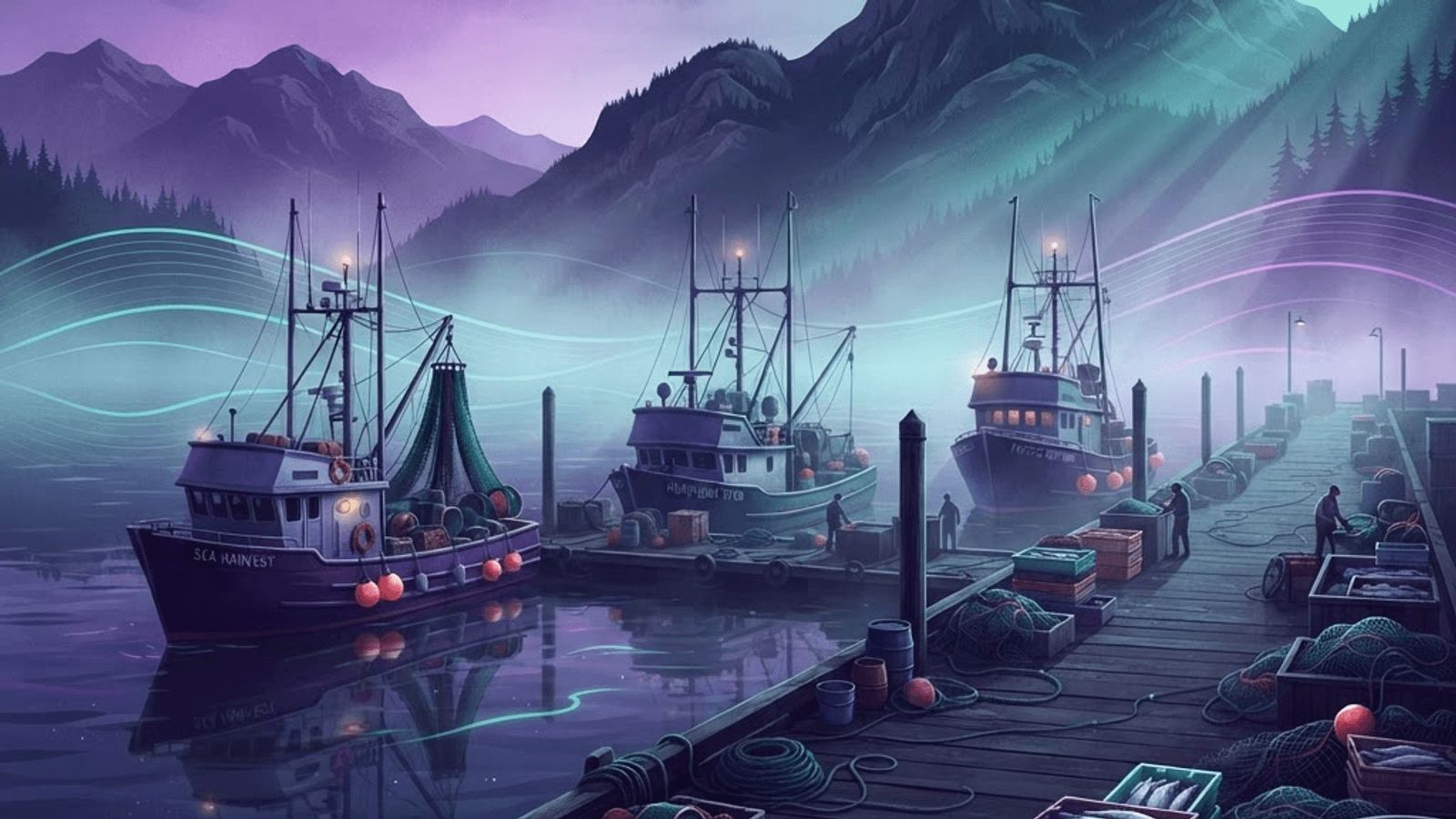
Tacoma's Seafood Industry and Its Foundations
Commencement Bay has been a seafood hub for generations. Tacoma's advantages are structural: deepwater moorage, cold storage capacity built around port logistics, rail and highway connections for national distribution, and proximity to both Puget Sound shellfish beds and the Alaska fishing fleet that overwinters and provisions in Washington ports.
The result is an industry that operates at several scales simultaneously. Large processors handle Alaska groundfish and salmon volumes destined for export. Mid-sized operations supply regional grocers and restaurants. Small day-boat fishermen and shellfish growers sell into local markets where freshness commands a premium. Tribal fisheries, exercising treaty rights across Puget Sound, are a significant and long-established part of this economy.
What Distinguishes a Quality Fishery Company
Cold chain integrity is the single most important factor. Seafood quality is determined in the hours immediately after harvest, and companies that invest in on-vessel chilling, rapid offloading, and consistent temperature control deliver noticeably better product regardless of species.
Traceability is close behind. Buyers increasingly require harvest location, method, and date documentation, both for sustainability claims and for food safety recall capability. Beyond that, evaluate processing capability such as filleting, portioning, and freezing formats, certification status under recognized fishery sustainability programs, shellfish sanitation compliance for growing areas, and reliability of supply across seasonal cycles. For restaurant and retail buyers, honest communication about what is genuinely available beats optimistic promises every time.
Top 10 Best Fishery Companies in Tacoma
1. Commencement Bay Seafoods — A processor and distributor handling salmon, halibut, and groundfish for regional and national accounts. Their cold chain discipline and complete lot traceability make them a dependable partner for grocery programs with strict specifications.
2. South Sound Shellfish Company — Cultivates and harvests oysters, clams, and mussels in Puget Sound growing areas. Water quality monitoring and sanitation compliance are rigorous, and their tidal-grown oysters are prized by restaurants for distinct regional flavor.
3. Rainier Wild Salmon Traders — Specializes in wild Alaska and Pacific Northwest salmon with clear species, run, and harvest documentation. Fishermen-direct relationships allow them to offer fully traceable product with strong quality consistency.
4. Tideflats Cold Storage & Seafood Logistics — Provides blast freezing, cold warehousing, and export coordination for harvesters and processors. Their infrastructure underpins much of the region's ability to move seafood to distant markets without quality loss.
5. Harbor Crab & Dungeness Co. — Focused on Dungeness crab and other crustaceans, with live-holding tanks and rapid cooking and processing. Live product handling expertise is genuinely specialized and difficult to replicate.
6. Puget Aquaculture Partners — Operates finfish and shellfish aquaculture with attention to feed efficiency, siting, and environmental monitoring. Their transparency around operating practices addresses the public scrutiny that follows marine aquaculture in Washington.
7. Northwest Smoked Seafood Works — Produces smoked salmon, hot-smoked specialties, and value-added seafood products. Traditional alder smoking combined with modern food safety controls yields shelf-stable products with authentic Northwest character.
8. Evergreen Fishing Fleet Services — Supports the commercial fleet with net repair, gear supply, vessel provisioning, and refrigeration maintenance. Not a harvester, but essential infrastructure that keeps boats fishing productively.
9. Pacific Bait & Fishmeal Processing — Converts processing byproduct into bait, fishmeal, and fertilizer inputs. This kind of full-utilization operation reduces waste substantially and reflects circular thinking in seafood processing.
10. Foss Waterway Fish Market Wholesale — Supplies restaurants, fishmongers, and specialty grocers with daily fresh selections. Small-lot flexibility and species knowledge help chefs build menus around what is actually running rather than what a catalog lists.
Sustainability and Regulation
Puget Sound fisheries operate under an intricate framework of state regulation, federal management, and tribal co-management established by treaty rights and affirmed through decades of litigation. Harvest quotas, seasonal closures, and gear restrictions are designed around stock assessments, and companies that plan around these cycles rather than fighting them build steadier businesses.
Salmon recovery is the region's central environmental priority, tied closely to habitat restoration, stormwater management, and the survival of southern resident orcas. Ocean acidification presents a documented and serious challenge for shellfish growers, driving investment in hatchery water treatment and monitoring. Meanwhile, certification programs and buyer-driven sourcing policies have made verified sustainability a market access requirement for many wholesale and retail channels.
Buying Seafood Wisely
Ask specific questions. Where was this harvested, by what method, and when? A supplier who answers precisely is demonstrating a functioning traceability system. Clarify whether product is fresh, previously frozen, or refreshed, since that distinction affects both handling and honest menu labeling.
Align purchasing with seasonality. Buying Dungeness crab, spot prawns, or specific salmon runs in their natural windows delivers better quality at better prices than sourcing out of season from distant markets. Establish standing relationships so you receive allocation priority when supply tightens. Confirm cold chain responsibilities during transport, and inspect temperature on receipt rather than assuming compliance. For retailers, accurate species labeling is both a legal obligation and a trust issue with customers who know the difference.
Final Thoughts
Tacoma's fishery sector combines industrial-scale processing infrastructure with small-boat and shellfish operations that supply some of the finest seafood in North America. The companies worth partnering with treat cold chain integrity, traceability, and resource stewardship as operating fundamentals. Buy seasonally, ask direct questions, and build lasting relationships, and you gain both better product and a stake in keeping Puget Sound fisheries viable.