
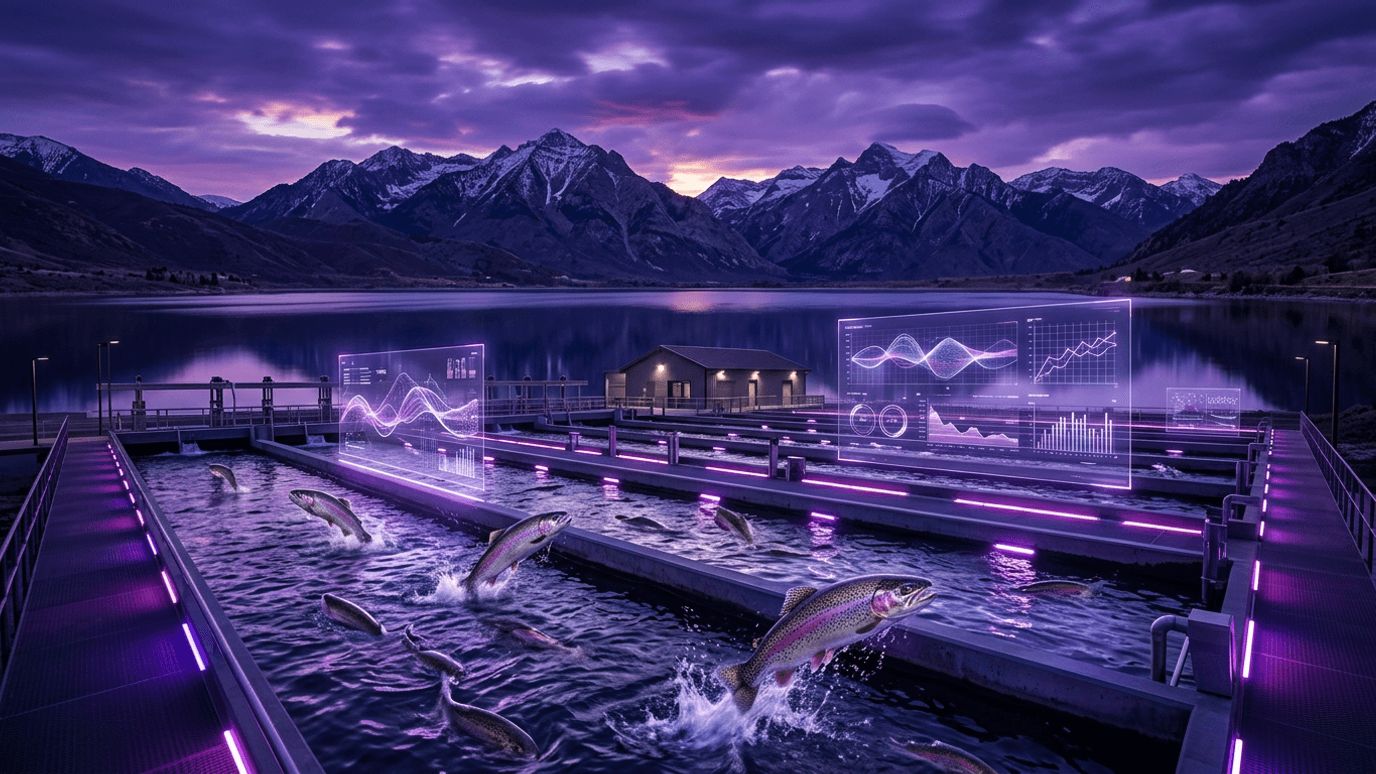
Fisheries in a Mountain Valley
Provo might not seem like a fishery hub at first glance, but the city sits on the eastern shore of Utah Lake, one of the largest natural freshwater lakes in the western United States. The Provo River, a famous blue-ribbon trout stream, flows through the city from the Wasatch Mountains. Together, these waters support recreational fishing, conservation efforts, and a regional market for fresh fish and seafood.
The fishery sector around Provo includes state-run hatcheries, conservation programs, aquaculture producers, and seafood distributors that serve local restaurants and grocers. The companies and organizations below play important roles in this ecosystem.
What Defines an Excellent Fishery Organization
Strong fishery companies focus on sustainability, water quality, and responsible harvesting or farming practices. They maintain strict food safety standards, provide traceable supply chains, and work with conservation agencies to protect native species. For distributors, freshness, cold-chain management, and reliable delivery are essential.
1. Springville Fish Hatchery
The Springville Fish Hatchery, operated by the Utah Division of Wildlife Resources, raises trout to stock lakes and streams throughout the region. Located just south of Provo, it plays a vital role in supporting recreational fishing and educating visitors about fish culture and conservation.
2. Utah Division of Wildlife Resources
The Utah Division of Wildlife Resources manages fisheries statewide, including Utah Lake and the Provo River. It oversees stocking programs, fishing regulations, and habitat restoration. Its work ensures that Provo anglers have healthy, sustainable fisheries to enjoy.
3. June Sucker Recovery Implementation Program
The June sucker is a fish found naturally only in Utah Lake. The June Sucker Recovery Implementation Program brought together agencies and stakeholders to restore its population. Its habitat improvements, including restoration of the Provo River Delta, are widely considered a conservation success story and have improved ecosystem health.
4. Utah Lake Authority
The Utah Lake Authority coordinates management and restoration of Utah Lake. Its efforts include addressing invasive carp, improving water quality, and promoting recreation. Reducing carp populations helps native fish recover and supports a healthier lake for the communities around it.
5. Clear Springs Foods
Clear Springs Foods is a leading rainbow trout producer based in Idaho's Magic Valley, using pure spring water. Its trout products are widely distributed across the Intermountain West. Provo restaurants and grocers value its consistent quality and sustainable aquaculture practices.
6. Riverence
Riverence is a land-based aquaculture company producing steelhead and rainbow trout in the Pacific Northwest and Idaho. Its focus on sustainable, traceable fish farming appeals to environmentally conscious chefs and retailers in Utah Valley who want high-quality local-region seafood.
7. Pacific Seafood
Pacific Seafood is a large, family-owned seafood company with distribution throughout the western United States. It supplies fresh and frozen fish, shellfish, and value-added seafood products to restaurants and grocery stores. Provo's dining scene benefits from its reliable cold chain and broad selection.
8. Trident Seafoods
Trident Seafoods is one of the largest seafood harvesters and processors in North America, specializing in wild Alaska seafood such as salmon, pollock, and cod. Its products are widely available in Utah grocery stores and foodservice channels, bringing wild-caught options to Provo consumers.
9. Ocean Beauty Seafoods
Ocean Beauty Seafoods processes and distributes wild Alaska salmon and other seafood products. Its smoked and canned salmon products are popular in Utah markets. The company's long history and commitment to sustainable fisheries make it a trusted seafood source.
10. Sportsman's Warehouse
Founded in Utah, Sportsman's Warehouse is an outdoor retailer that supports the recreational fishing community with gear, licenses, and local fishing expertise. Provo anglers rely on its stores and staff for advice on Utah Lake, the Provo River, and nearby reservoirs.
Trends in Fisheries and Aquaculture
Sustainable aquaculture is growing quickly as wild fish stocks face pressure, and land-based recirculating systems are improving environmental performance. Invasive species management is a major focus in Utah Lake, where carp removal supports ecosystem recovery. Consumers increasingly seek traceable, responsibly sourced seafood. Habitat restoration projects, such as the Provo River Delta, show how conservation and recreation can grow together.
How to Choose a Fish and Seafood Supplier
Restaurants and retailers should prioritize freshness, traceability, and sustainability certifications. Ask suppliers about sourcing regions, harvest or farming methods, and cold-chain practices. Evaluate delivery frequency and product variety. Working with suppliers that support responsible fisheries helps protect ocean and freshwater ecosystems while meeting customer expectations.
Frequently Asked Questions
Is fishing allowed on Utah Lake and the Provo River?
Yes, with a valid Utah fishing license. Anglers should review current regulations for limits, seasons, and special rules, including protections for native species like the June sucker.
Why is carp removal important for Utah Lake?
Invasive carp stir up sediment and damage habitat. Removing them helps improve water clarity and supports the recovery of native plants and fish.
Is farmed trout a sustainable choice?
Well-managed trout farms, particularly those using clean spring water or land-based systems, are widely considered responsible seafood choices.
Final Thoughts
Provo's fishery landscape blends conservation, recreation, and commerce. From state hatcheries and native fish recovery programs to sustainable trout producers and seafood distributors, the organizations above help keep waters healthy and plates full. Supporting responsible fisheries ensures that Utah Lake, the Provo River, and the broader seafood supply chain remain productive for generations.