
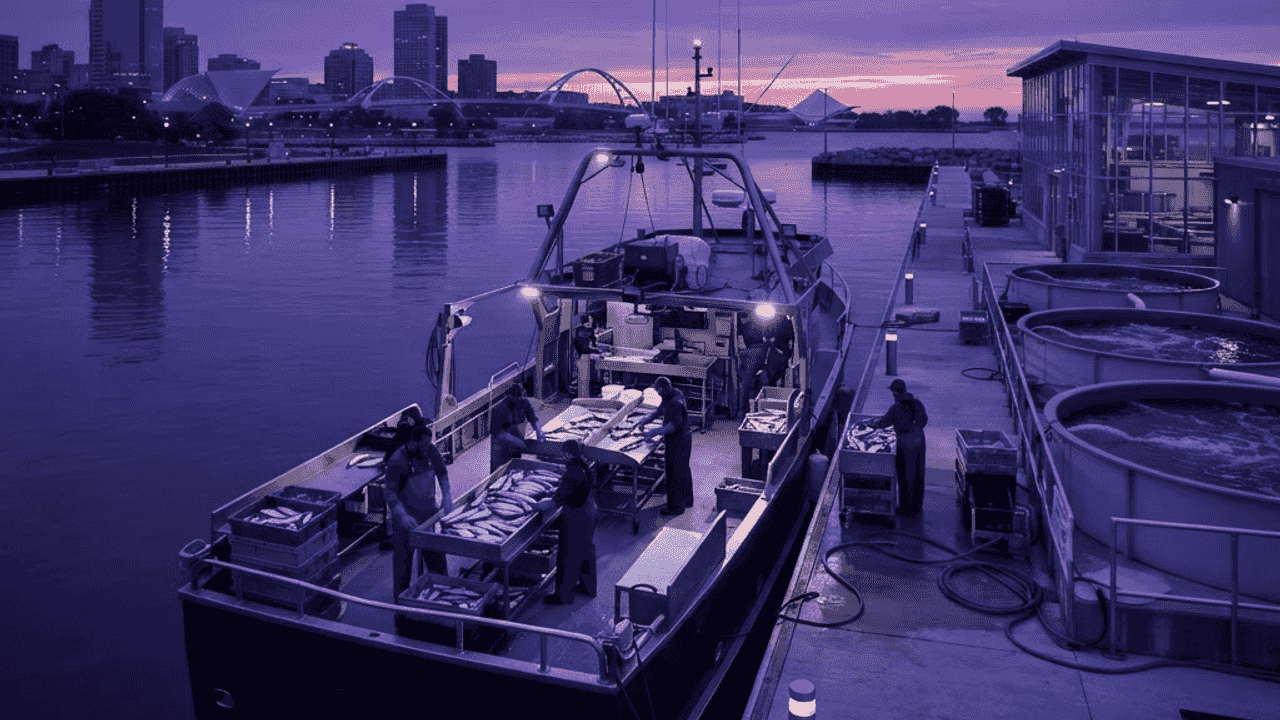
Milwaukee's Waterfront Heritage
Milwaukee's location on the western shore of Lake Michigan has shaped its identity for generations. The lake has long provided food, commerce, and recreation, and it continues to support a fishery sector that includes commercial fishing, seafood distribution, and a growing interest in sustainable aquaculture. Fishery companies serving the region play an important role in supplying fresh fish to markets, restaurants, and consumers while helping steward a vital natural resource.
The Great Lakes fishery is unique, blending commercial harvesting of species native to Lake Michigan with modern aquaculture ventures that raise fish in controlled environments. Together these approaches meet consumer demand while addressing concerns about overfishing and environmental impact.
The Modern Fishery Landscape
Fishery companies in the Milwaukee area operate across several segments. Commercial fishing operations harvest and process fish from Lake Michigan, supplying regional markets with fresh, local catch. Seafood distributors and wholesalers connect these harvests, along with imported and farmed seafood, to restaurants, grocers, and institutions throughout the metro area.
Increasingly, aquaculture and aquaponics ventures are emerging as important players. Operations that integrate fish farming with plant production, such as aquaponic systems seen in the broader region, demonstrate how controlled environments can produce fish sustainably while minimizing waste and resource use.
Commitment to Sustainability
Sustainability is central to the future of the fishery industry around Milwaukee. The health of Lake Michigan depends on responsible harvesting, pollution control, and habitat protection. Leading fishery companies embrace practices that support fish populations and water quality, recognizing that their long-term success is tied to the health of the ecosystem.
Aquaculture offers a complementary path to sustainability by producing fish in closed systems that reduce pressure on wild stocks. These systems can recycle water, control feed inputs, and minimize environmental impact, making them an increasingly attractive model for local food production.
Industry Trends and Consumer Demand
Consumer interest in fresh, locally sourced, and sustainably produced seafood is reshaping the fishery industry. Diners and home cooks alike are seeking transparency about where their fish comes from and how it was harvested or raised. This demand rewards companies that can document sustainable practices and offer traceable, high-quality products.
Technology is also influencing the sector. Improved cold-chain logistics, water-quality monitoring, and aquaculture systems are enhancing both product quality and environmental performance. Companies that invest in these innovations are better positioned to meet evolving expectations.
Benefits to the Region
Fishery companies contribute meaningfully to the Milwaukee area. They supply fresh, nutritious food, support jobs in fishing, processing, and distribution, and help preserve the region's connection to Lake Michigan. Sustainable operations also play a role in protecting the lake's ecological health, which benefits recreation, tourism, and the broader community.
Local seafood sourcing supports the regional economy and gives consumers access to fresher products with a smaller carbon footprint than distant imports, reinforcing the value of a healthy local fishery sector.
Looking to the Future
The fishery industry serving Milwaukee stands at an important juncture, balancing tradition with innovation. Continued emphasis on sustainability, investment in aquaculture, and responsiveness to consumer demand will shape its trajectory. Companies that combine responsible stewardship with quality and transparency are best positioned to thrive.
The leading fishery companies in the region distinguish themselves through their commitment to sustainability, product quality, and community. As they navigate the future, they help ensure that Milwaukee's relationship with the waters of Lake Michigan remains both productive and enduring.
How to Evaluate the Organizations in This Guide
A useful ranking should be treated as a starting point rather than a substitute for careful evaluation. Needs vary by buyer, project, budget, and neighborhood, so the best fit is often the organization whose capabilities align most closely with a reader's priorities. Reputation, years of service, responsiveness, transparency, and demonstrated knowledge of the Milwaukee market are all meaningful signals. Prospective customers or supporters should also consider how clearly an organization explains its processes, how consistently it delivers on commitments, and whether its team can answer detailed questions without pressure.
Milwaukee-specific experience matters because local conditions shape demand. Winter weather, regional transportation patterns, the city's industrial heritage, and the needs of surrounding southeastern Wisconsin communities can all influence service, inventory, timing, and outcomes. Organizations with strong local relationships are often better prepared to anticipate these factors. At the same time, larger regional or national operators may bring broader resources, specialized technology, and greater purchasing power. Comparing both types creates a more balanced shortlist.
Before making a final decision, readers should define their must-have requirements and compare several candidates using the same criteria. For commercial purchases, this may include lead times, minimum orders, warranties, delivery coverage, quality controls, and after-sale support. For services or community organizations, it may include program effectiveness, accessibility, financial stewardship, and measurable local impact. Asking for current documentation, references, or a clear scope of work can prevent misunderstandings.
The Milwaukee market continues to evolve, and availability, leadership, programs, and product lines may change over time. A thoughtful review of current capabilities will help readers turn this guide into a practical decision-making tool. The strongest organizations are rarely defined by a single feature; they earn trust through a combination of quality, consistency, local understanding, and long-term value.