
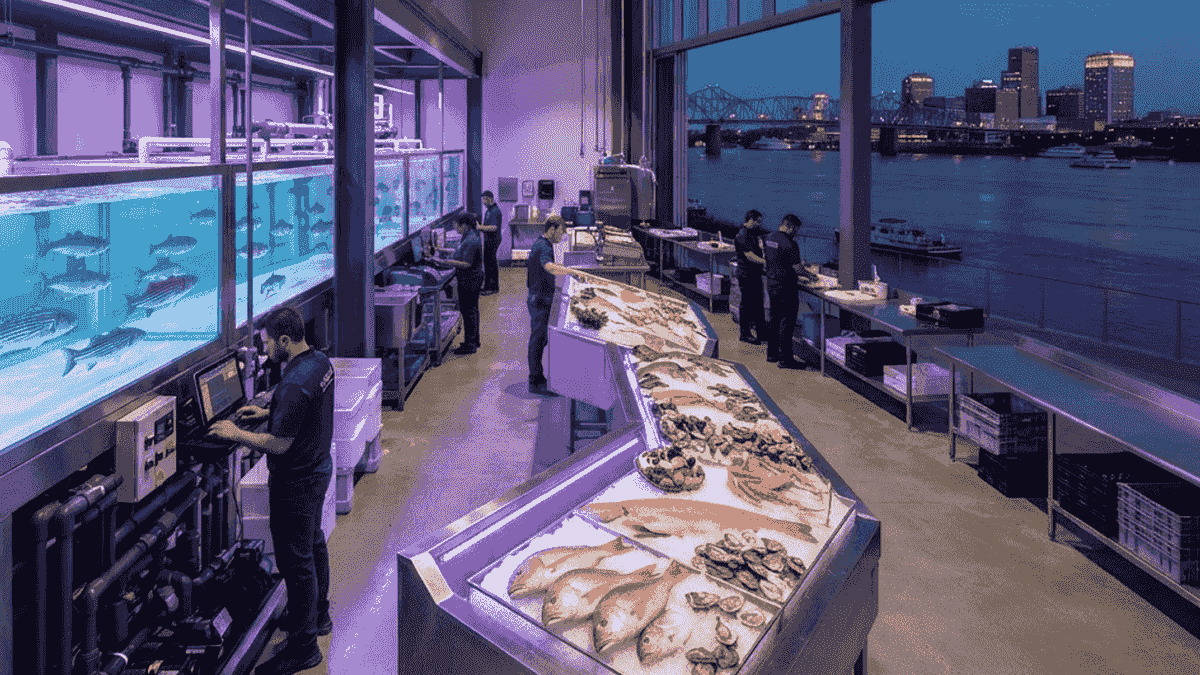
The Fishery and Seafood Sector in Louisville
Although Louisville is an inland city, it maintains a strong appetite for fresh fish and seafood, supported by a network of fishery companies, aquaculture operations, and seafood distributors. These businesses supply restaurants, grocers, and wholesalers with a wide range of products, from freshwater fish raised in regional aquaculture facilities to seafood brought in through efficient cold-chain logistics.
The region's position within a strong distribution network allows fishery companies to deliver fresh, high-quality products reliably. Combined with growing consumer interest in seafood as a healthy protein, this has helped the sector flourish. The best companies pair quality sourcing with careful handling to ensure freshness from source to plate.
What Sets the Best Fishery Companies Apart
Leading fishery companies prioritize freshness, quality, and food safety above all. They maintain strict temperature control, adhere to rigorous handling standards, and manage logistics carefully to preserve product integrity. For restaurants and grocers, this reliability is essential, since seafood quality directly affects customer satisfaction and reputation.
Responsible sourcing is another defining trait. Top companies work with sustainable aquaculture operations and reputable suppliers, and they provide clear information about the origin and handling of their products. This transparency reassures buyers and aligns with the growing consumer demand for responsibly sourced seafood.
Leading Fishery Companies Serving Louisville
Ohio Valley Aquaculture is known for its regional fish farming operations and consistent freshwater fish supply.
Derby City Seafood Distributors supplies restaurants and grocers with a broad selection of fresh and frozen seafood.
Falls City Fisheries focuses on quality freshwater fish and dependable delivery.
River City Seafood Wholesale offers a versatile catalog and is valued for reliable cold-chain logistics.
Bluegrass Fish Company provides regionally raised fish to local markets and restaurants.
Kentuckiana Seafood Traders specializes in sourcing diverse seafood products for wholesale buyers.
Highland Aquafarms emphasizes sustainable aquaculture and responsible production.
Metro Louisville Seafood Depot combines broad selection with efficient distribution.
Cardinal Fresh Fish focuses on daily fresh supply for restaurants and grocers.
Ohio River Aquaculture Supply rounds out the list with a focus on farmed fish and aquaculture products.
Trends Shaping the Fishery Industry
Sustainable aquaculture is reshaping how inland regions like Louisville access fresh fish. Advances in recirculating systems and responsible farming allow local operations to produce high-quality fish with a lighter environmental footprint. This growth reduces dependence on distant sources and shortens supply chains.
Consumer demand for traceability and sustainability continues to rise. Buyers increasingly want to know where their seafood comes from and how it was produced. Fishery companies that provide this transparency, alongside consistent quality and safety, are well positioned to earn lasting loyalty from restaurants, grocers, and wholesalers.
How to Choose the Right Fishery Partner
Buyers should evaluate fishery companies on freshness, quality control, sourcing practices, and delivery reliability. Because seafood is highly perishable, dependable cold-chain logistics and strict handling standards are critical. It is worth confirming a supplier's food-safety practices and asking about sourcing and sustainability credentials.
Strong supplier relationships benefit both sides. Restaurants and grocers that communicate their needs and volumes help fishery companies plan supply, reduce waste, and maintain consistent availability. This collaboration ensures buyers receive fresh, high-quality products that keep their customers coming back.
Planning a Successful Louisville Supplier Relationship
Before committing to any of these fishery companies, create a written list of must-have specifications, estimated monthly volume, acceptable lead times, and budget limits. This turns an introductory conversation into a useful business discussion and makes competing quotes easier to compare. Louisville buyers should also ask how delivery schedules change during severe weather, holiday peaks, major local events, or seasonal demand. A supplier with a realistic contingency plan can be more valuable than one offering the lowest initial quote.
Request clear details about minimum orders, payment terms, damaged-goods procedures, warranties, and any charges that may not appear in the unit price. Freight, handling, rush service, and restocking costs can materially change the final value of an order. When possible, inspect samples or place a controlled first order before shifting a large share of purchasing. Track accuracy, condition, timeliness, and communication so the decision rests on measurable performance rather than promises.
Why Local and Regional Sourcing Matters
Working with suppliers serving Louisville can shorten replenishment cycles and make problem solving more direct. Local knowledge is particularly useful when demand is affected by the city's hospitality calendar, construction activity, school schedules, manufacturing cycles, and the needs of businesses on both sides of the Ohio River. Regional sourcing can also reduce freight exposure and make smaller, more frequent orders practical, helping buyers carry less excess inventory.
That does not mean location should outweigh quality or value. The strongest purchasing strategy compares total landed cost, dependable availability, service, and product suitability. Many businesses benefit from naming one primary supplier and maintaining a qualified secondary source for critical items. Regular performance reviews, honest forecasts, and prompt communication help both parties plan capacity and resolve issues before they disrupt customers.
Final Thoughts
The fishery companies serving Louisville keep restaurants, grocers, and wholesalers supplied with fresh, high-quality seafood despite the region's inland location. The companies highlighted here stand out for their freshness, sourcing, and reliability, but the right partner depends on each buyer's specific product and volume needs. By choosing carefully and building dependable relationships, buyers can ensure a steady supply of quality seafood for their customers.