
Fisheries in an Inland City
Elk Grove is not a coastal town, which makes its fishery sector easy to overlook. Yet the city sits near the Sacramento-San Joaquin Delta, one of the most significant aquatic systems in the western United States, and within a few hours of major coastal ports. That geography supports a real cluster of aquaculture operations, seafood processors, distributors, and conservation-focused hatcheries.
The category here covers more ground than commercial fishing. Inland aquaculture raising fish in controlled systems, hatcheries supporting native species restoration, processors adding value to coastal landings, and distributors managing the cold chain into restaurants and grocers all belong to the same broader industry.
Ten Fishery Companies Serving the Elk Grove Region
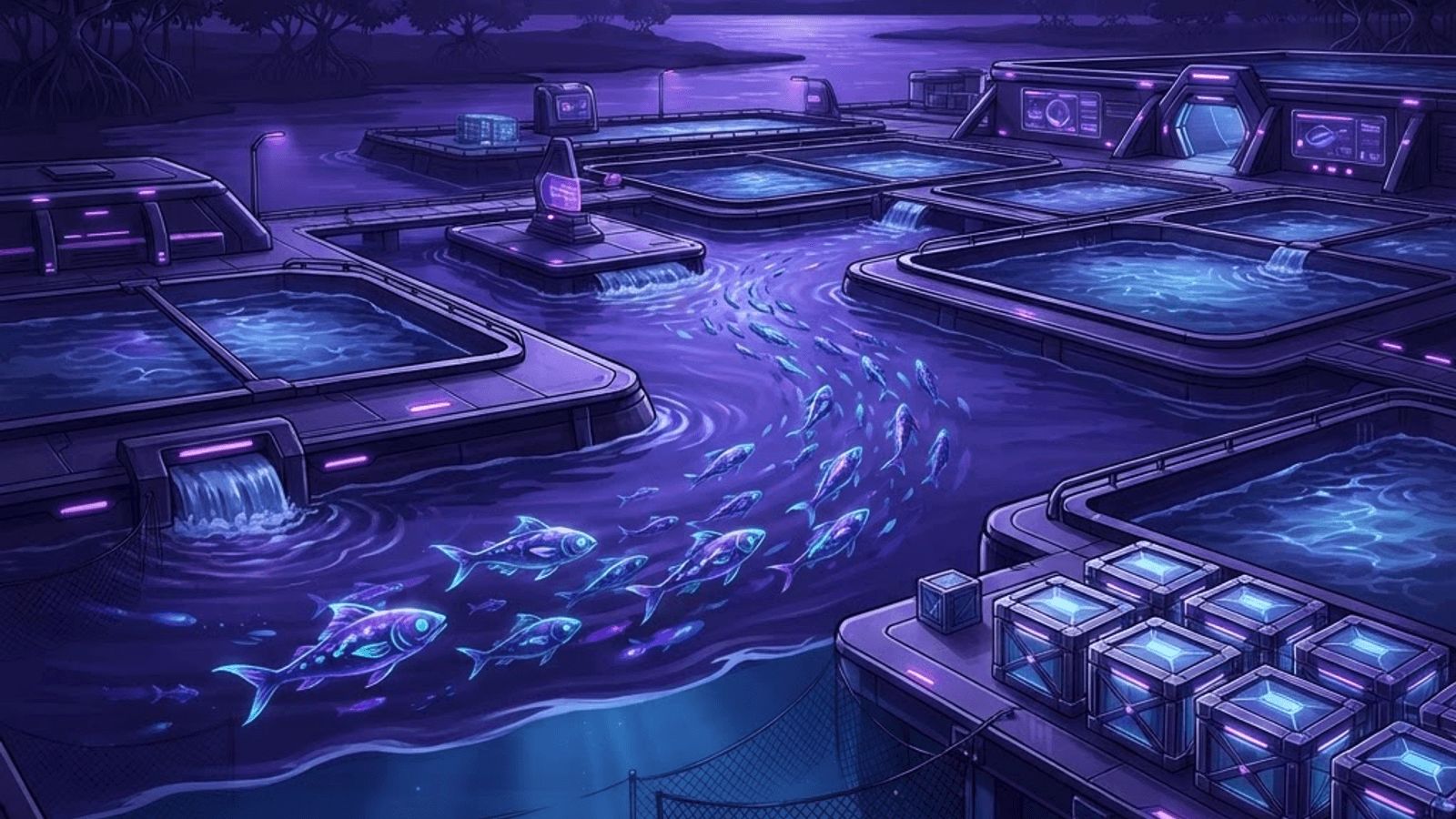
Delta Aquaculture Company operates recirculating aquaculture systems raising finfish in controlled tanks, filtering and reusing water rather than discharging it. The approach uses a fraction of the water of traditional pond culture and allows year-round harvest independent of weather.
Elk Grove Seafood Processing receives coastal landings and delta product for filleting, portioning, and packaging, supplying restaurants and retailers with consistent cuts that reduce kitchen labor.
Valley Fish Hatchery Services produces fingerlings for stocking programs and aquaculture operations, work that supports both recreational fishing and native species recovery efforts.
Laguna Cold Chain Seafood Distribution specializes in refrigerated and frozen seafood logistics, maintaining temperature integrity from port to kitchen, which is the single most important variable in seafood quality.
Franklin Sustainable Seafood Supply sources certified products and maintains chain of custody documentation for buyers who need verifiable sustainability claims rather than marketing language.
Sierra Shellfish and Specialty Distribution handles oysters, clams, mussels, and specialty items requiring live handling and strict harvest area documentation.
Stonelake Aquaponics Farms combines fish production with hydroponic vegetable growing, using nutrient-rich water from fish tanks to feed plants and producing two crops from one water system.
Bond Road Smoked and Value-Added Seafood produces smoked, cured, and prepared seafood products for retail and foodservice, extending shelf life and creating higher-margin products from the same raw material.
Harvest Delta Conservation Fisheries works on habitat restoration, native fish monitoring, and research supporting the delta ecosystem, partnering with agencies and academic institutions.
Grove Aquaculture Equipment and Feed Supply supports the sector with tanks, filtration, aeration, monitoring systems, and formulated feeds, the infrastructure that makes controlled-environment aquaculture possible.
Understanding Sustainability Certification
Seafood sustainability claims are common and unevenly meaningful. Recognized certification programs assess wild fisheries for stock health, ecosystem impact, and management effectiveness, and assess aquaculture operations for feed sourcing, effluent management, disease control, and social responsibility. Chain of custody certification then verifies that the certified product actually reaches the buyer without substitution.
Species substitution remains a genuine problem in seafood, where an inexpensive species is sold under the name of a premium one. Buyers protect themselves by purchasing from suppliers with traceability systems and by requesting documentation that identifies species by scientific name, harvest method, and origin.
Cold Chain Fundamentals
Seafood quality degrades faster than almost any other food category, and temperature is the controlling variable. Fresh seafood should be held just above freezing, and every hour at elevated temperature shortens shelf life disproportionately. Frozen product requires consistent deep freezing, because temperature fluctuation causes ice crystal growth that ruptures cell structure and produces the dry, mushy texture buyers blame on freezing itself rather than on poor handling.
Ask any distributor how they monitor and document temperature in transit. Continuous logging with accessible records is the standard worth insisting on. Also ask about delivery timing relative to your receiving capacity; seafood left on a dock in Central Valley summer heat loses days of shelf life in minutes.
Trends in the Sector
Land-based recirculating aquaculture is expanding because it addresses several objections to conventional fish farming at once: no ocean discharge, no escape risk, controlled disease management, and location flexibility that puts production near consumers rather than far from them.
Traceability technology is improving rapidly, with digital records following product from harvest through processing to delivery. For buyers, that turns sustainability from a claim into a verifiable record.
Consumer demand for local and transparently sourced seafood continues to grow, which favors regional operations that can tell an accurate story about their product.
Buying Guidance for Restaurants and Retailers
Buy on the basis of quality indicators rather than price alone. Fresh fish should smell clean, have firm flesh and clear eyes, and show no discoloration at the cut. Build a relationship with a supplier who will tell you honestly when a species is not at its best that week.
Match your ordering frequency to your volume. Ordering too much too infrequently guarantees waste in a category where waste is expensive. Consider frozen-at-sea product for items you use irregularly, since properly frozen seafood often outperforms fresh product that has traveled too long.
Final Thoughts
The fishery companies serving Elk Grove bridge delta waters, coastal ports, and controlled-environment aquaculture. Their shared challenge is delivering a highly perishable product with verifiable origin in a market that increasingly demands both. Choose partners with rigorous cold chain practices and real traceability, and the quality difference reaches the plate every time.