
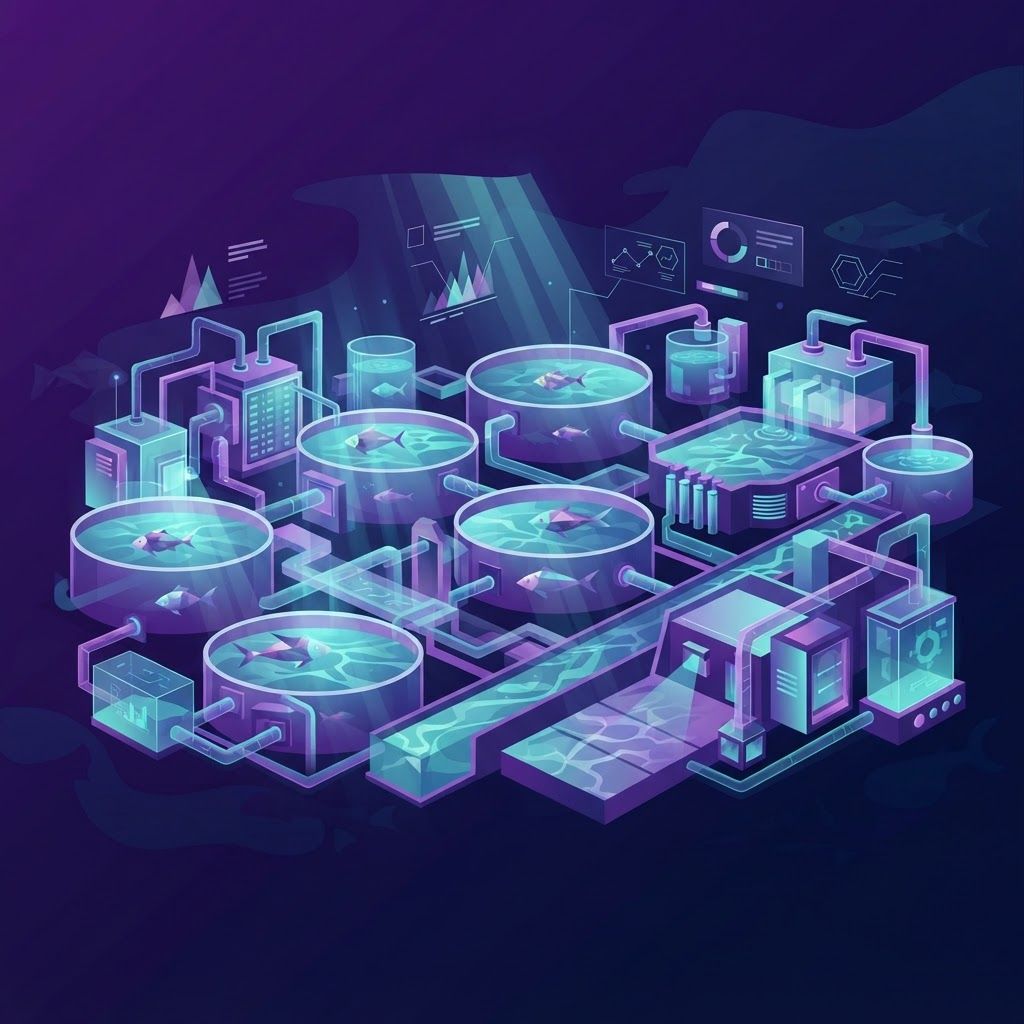
Ohio is not a coastal state, but seafood demand in Akron is substantial and the supply network behind it is more sophisticated than most consumers realise. Lake Erie fisheries, inland aquaculture operations, processors and specialised distributors together keep restaurants, grocers and households supplied with product that is often fresher than what reaches many coastal cities, thanks to efficient cold chain logistics and regional farming.
How Seafood Reaches Northeast Ohio
Three streams supply the region. Great Lakes commercial fishing provides walleye, perch and whitefish, which are genuinely local products with strong regional identity. Aquaculture operations raise trout, tilapia, bass and shrimp in controlled systems, offering year-round availability independent of weather. Distribution companies bring in ocean species by air and refrigerated freight, often reaching Akron within a day or two of harvest.
Cold chain integrity determines quality more than distance does. Properly handled frozen-at-sea product frequently outperforms so-called fresh fish that has spent days in poor conditions, a nuance that experienced buyers understand well.
The Top 10 Fishery Companies in Akron
1. Summit Seafood Distribution
Summit Seafood Distribution is the region's most established seafood wholesaler, supplying restaurants, grocers and institutions with fresh and frozen product. Its cold chain discipline and daily receiving schedule keep quality consistently high. Species substitution guidance helps chefs adapt menus when availability shifts without compromising dish quality.
2. Lake Erie Fisheries Company
This operation focuses on Great Lakes commercial species, delivering walleye, yellow perch and whitefish to regional buyers. Lake Erie Fisheries Company works within quota and conservation frameworks that protect long-term stock health. Its short supply chain gives Akron restaurants a genuinely local seafood option.
3. Cuyahoga Valley Aquaculture
Operating recirculating aquaculture systems, this company raises trout and bass with tightly controlled water quality and no reliance on wild capture. Cuyahoga Valley Aquaculture provides year-round consistent sizing, which simplifies portion control for kitchens. Water recycling makes its operation notably resource-efficient.
4. Portage Shrimp Farms
Inland shrimp production has grown in Ohio, and this operation raises saltwater shrimp in indoor systems without antibiotics. Portage Shrimp Farms sells live and fresh-harvested product that reaches customers within hours rather than after international freight. Freshness at this level is difficult for imported shrimp to match.
5. Akron Seafood Processing
This company provides filleting, portioning, smoking and vacuum packing services for both producers and commercial buyers. Akron Seafood Processing operates under strict food safety protocols with full traceability documentation. Custom portioning helps restaurants control plate costs precisely.
6. Northeast Ohio Fish Hatchery
Supplying fingerlings and stocking fish to pond owners, clubs and aquaculture operations, this hatchery underpins much of the region's fish production. Northeast Ohio Fish Hatchery maintains disease-free stock and advises on species suitability for specific water bodies. Its technical guidance improves survival rates for customers new to stocking.
7. Chapel Hill Pond and Lake Management
Private ponds and small lakes require active management, and this company provides aeration systems, vegetation control, water testing and fish population balancing. Chapel Hill Pond and Lake Management serves residential communities, golf courses and farms. Its preventive approach avoids the fish kills that follow neglected water quality.
8. Canal District Specialty Seafood
Serving chefs and speciality retailers, this importer handles less common species, shellfish and premium products flown in on short schedules. Canal District Specialty Seafood provides detailed sourcing information that supports menu transparency. Small-quantity availability makes it practical for restaurants running rotating features.
9. Firestone Park Frozen Seafood Supply
Institutional kitchens, schools and quick-service operators need reliable, budget-conscious supply, and this wholesaler focuses there. Firestone Park Frozen Seafood Supply emphasises properly frozen product with documented handling rather than the lowest possible price. Consistent portion sizing supports predictable food cost management.
10. Ohio Canal Sustainable Fisheries
This company concentrates on responsibly sourced product, working with certified fisheries and farms that meet recognised environmental standards. Ohio Canal Sustainable Fisheries supplies documentation that restaurants and retailers can present to customers credibly. Its education efforts help buyers understand certification differences rather than treating all labels as equivalent.
How to Buy Seafood Well
Judge freshness by evidence rather than assumption. Fresh whole fish should have clear eyes, firm flesh and a clean marine smell, while fillets should look translucent rather than dull or gaping. Ask when product was harvested and when it arrived, and expect a supplier to know both.
Do not dismiss frozen product. Fish frozen shortly after harvest often exceeds the quality of fresh fish that has travelled poorly. For sustainability, ask about species, harvest method and origin rather than relying on general claims, and be willing to switch species based on availability instead of forcing a fixed menu.
Trends in Regional Aquaculture and Seafood
Land-based recirculating aquaculture continues to expand in the Midwest, driven by demand for local protein and improving system economics. Traceability technology is making origin verification easier, which supports both food safety and sustainability claims. Consumer interest in underutilised species is also growing, which helps reduce pressure on heavily fished stocks while offering better value.
Final Thoughts
The fishery companies serving Akron combine Great Lakes harvest, inland aquaculture, processing and specialised distribution into a capable regional network. Buyers who understand cold chain realities and ask specific sourcing questions consistently get better product. Supporting local aquaculture and responsibly managed fisheries also strengthens the long-term resilience of that supply.