
San Antonio's Agricultural Heritage and Modern Farming
San Antonio and the surrounding Texas region possess a rich agricultural heritage spanning centuries, and contemporary farming companies continue this legacy while embracing modern practices and technologies. The area's climate, soil conditions, and water resources support diverse agricultural operations ranging from crop production to livestock management. Leading farming companies in the region blend traditional knowledge with scientific advancement, implementing precision agriculture, sustainable practices, and innovative production methods. These operations serve local markets, regional distributors, and increasingly national supply chains. Understanding the landscape of quality farming companies reveals the multifaceted approaches supporting food security and agricultural sustainability in San Antonio and beyond.
Crop Production and Specialty Crops
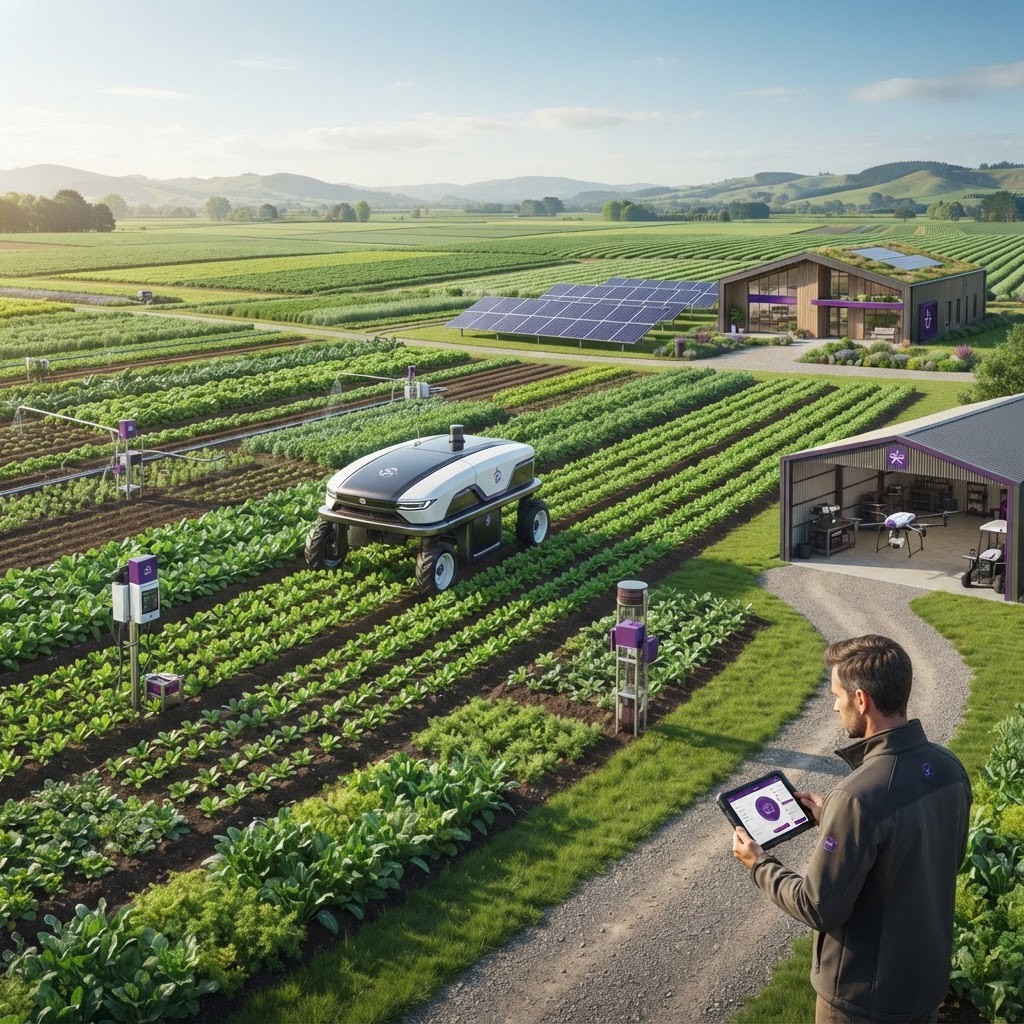
San Antonio farming companies engage in diverse crop production serving various markets and purposes. Field crop producers grow staple crops including corn, soybeans, and wheat while adhering to rotation practices maintaining soil health. Specialty crop producers focus on vegetables, fruits, and premium produce commanding higher market values and serving local farmers markets and restaurants. Greenhouse operations enable year-round production of tomatoes, peppers, herbs, and specialty greens. Modern irrigation systems and soil management practices optimize water usage and yield productivity. Many operations employ precision agriculture technologies including GPS guidance, variable rate application, and drone monitoring enabling data-driven decision making.
Organic and Sustainable Agriculture
Progressive San Antonio farming companies increasingly adopt organic and sustainable practices responding to growing consumer demand for environmentally responsible products. Certified organic operations maintain detailed records demonstrating compliance with organic standards and restricted input lists. Sustainable farming approaches emphasize soil conservation, water management, and integrated pest management reducing chemical dependency. Cover cropping, crop rotation, and composting maintain soil vitality naturally. These operations often achieve premium pricing reflecting consumer willingness to pay for environmentally responsible products. Participation in organic certification programs and farmer associations provides technical support and market connections.
Livestock and Pasture Management
Livestock farming companies in San Antonio manage cattle, poultry, swine, and specialty livestock operations. Grass-fed cattle ranching emphasizes animal welfare and pasture-based production methods increasingly preferred by health-conscious consumers. Rotational grazing practices manage pasture sustainability and animal health. Poultry operations range from egg production to meat production with varying scales and production methods. Feed sourcing, veterinary care, and animal health management receive careful attention. Many operations combine livestock with crop production creating integrated agricultural systems optimizing resource utilization and profitability.
Technology Integration in Modern Farming
Contemporary San Antonio farming companies leverage technology transforming agricultural productivity and efficiency. Precision irrigation systems deliver water optimally based on soil moisture sensors and weather data. Drones and remote sensing technologies monitor crop health, pest pressure, and field variability. Automated equipment and GPS guidance reduce input waste and labor requirements. Data management systems track field-level performance, input costs, and yield outcomes informing strategic decisions. Weather forecasting services and crop modeling software enhance planning and risk management. Farmers increasingly engage technology consultants helping integrate systems creating connected, responsive operations.
Water Management and Conservation
Water availability represents a critical consideration for San Antonio agriculture given regional climate patterns and competing water demands. Progressive farming companies implement conservation technologies and practices extending water resources. Drip irrigation systems deliver precise water amounts directly to plant roots minimizing waste. Rainwater harvesting captures seasonal precipitation supplementing irrigation sources. Soil moisture monitoring prevents over-irrigation optimizing available water. Participation in conservation programs and water district initiatives demonstrates environmental stewardship. Some operations explore alternative water sources and recycling opportunities reducing dependence on traditional groundwater supplies.
Direct-to-Consumer and Local Marketing
Many San Antonio farming companies strengthen operations through direct-to-consumer marketing and relationship building. Farmers markets enable direct customer contact and capture of retail margins traditionally captured by intermediaries. Community Supported Agriculture programs build dedicated customer bases providing farmers income predictability and customers freshness guarantees. Farm-based restaurants and agritourism ventures add revenue streams while educating consumers about agriculture. Digital platforms and social media enable direct communication regarding farm practices, seasonal availability, and product information. These relationships create customer loyalty and premium pricing opportunities.
Agricultural Education and Community Engagement
Leading San Antonio farming companies engage communities through educational initiatives and open-farm programs. Farm tours, workshops, and cooking demonstrations build agricultural understanding and consumer appreciation. Youth agricultural programs develop next-generation interest in farming careers and practices. Partnerships with schools and educational institutions support agricultural science curriculum. Speaking engagements at agricultural conferences and professional associations share practices and innovations. This commitment to education strengthens agricultural communities and builds support for modern farming operations.
Supply Chain Development and Partnerships
Successful farming companies develop strong supply chain relationships with distributors, restaurants, and retailers. Direct relationships with chefs and food service operators enable consistent supply and fair pricing. Aggregation and processing capabilities add value to farm products creating finished products. Collaboration with other farmers through marketing cooperatives increases collective market power and efficiency. Development of regional brands and certifications communicates quality and sustainability differentiating products in competitive markets.
Seasonal Production Planning and Diversification
Effective San Antonio farming companies strategically plan seasonal production and maintain crop/livestock diversification reducing income volatility. Understanding market demands across seasons enables production timing matching price peaks. Diversified operations reduce disease and market risk while optimizing resource utilization. Some operations maintain multiple growing environments including field crops, greenhouses, and specialty facilities. Off-season production planning ensures consistent supply throughout the year supporting restaurant and retail partners.
Regulatory Compliance and Food Safety
Modern farming operations maintain comprehensive compliance with agricultural regulations and food safety standards. Record-keeping systems document practices, input usage, and production outcomes for regulatory verification. Food safety protocols and traceability systems protect consumer health and enable rapid response to any safety concerns. Participation in third-party certification programs like Good Agricultural Practices verification demonstrates commitment to standards. Regular audits and documentation reviews ensure ongoing compliance. These practices protect consumer confidence and enable market access particularly for institutional and export markets.
Looking Forward in San Antonio Agriculture
San Antonio's farming companies demonstrate remarkable resilience and adaptability continuing to feed communities while embracing sustainability and innovation. The strongest operations balance traditional knowledge with modern technology, economic viability with environmental stewardship, and production efficiency with food quality. These companies attract new talent and investment strengthening agriculture's future in the region. By supporting local farming operations through conscious purchasing and market engagement, San Antonio residents contribute to agricultural sustainability and community economic vitality. The farming companies thriving in San Antonio today are building the agricultural systems serving future generations successfully.