
Agriculture Around Vallejo
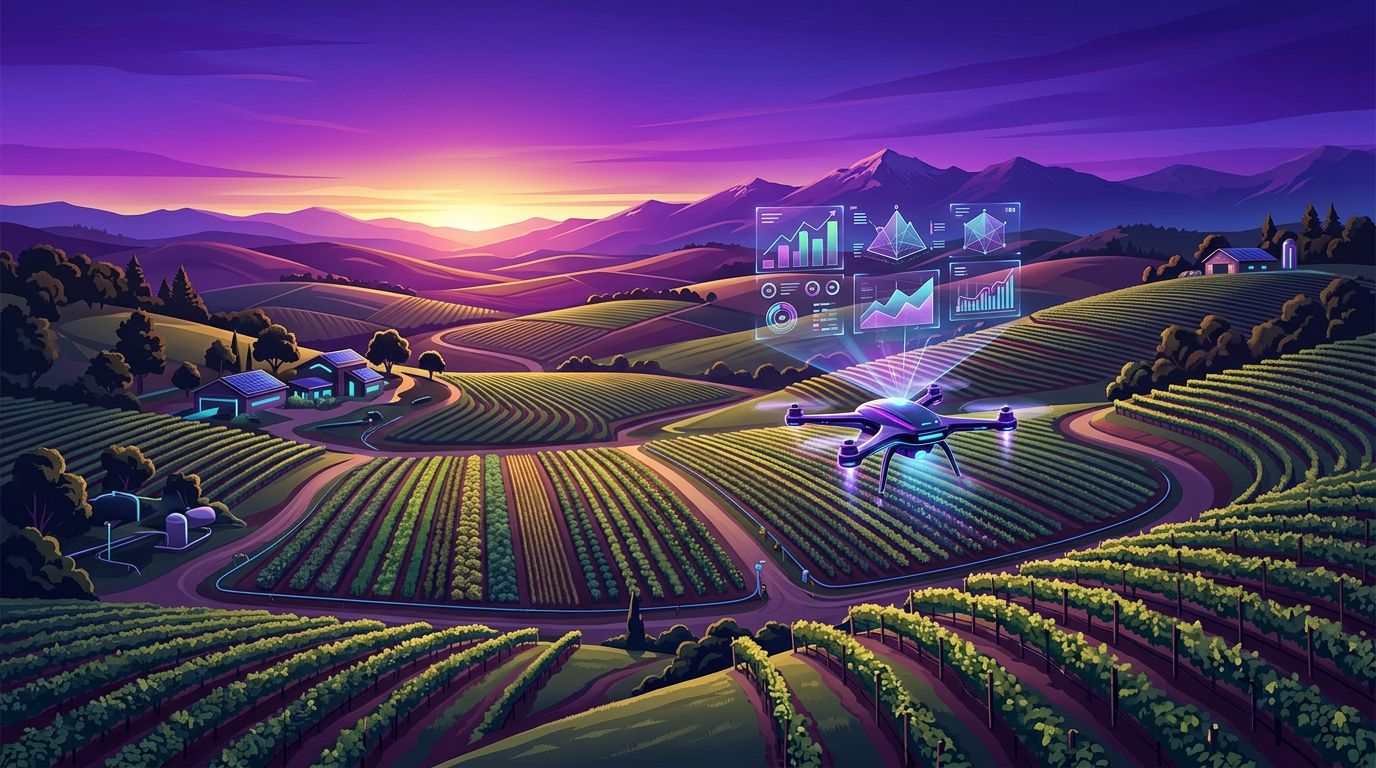
Although Vallejo is known for its waterfront and urban neighborhoods, the city is surrounded by some of California's most productive farmland. Solano County grows tomatoes, almonds, walnuts, alfalfa, wine grapes, and livestock, while neighboring Napa and Sonoma counties are world famous for vineyards. Small urban farms and community gardens inside Vallejo also play a growing role in local food access and education.
Here are ten farming companies and agricultural operations serving the Vallejo area, from large growers to community-focused farms.
What Makes a Great Farming Operation
Strong farms combine sustainable practices, quality produce or livestock, efficient water use, and community engagement. Many also emphasize direct-to-consumer sales through farmers markets, community supported agriculture boxes, and farm stands.
1. Morningsun Herb Farm
Located in the Vacaville area, Morningsun Herb Farm grows a wide variety of culinary and medicinal herbs and perennials. Gardeners from Vallejo visit for unique plants and expert advice.
2. Larry's Produce
Larry's Produce in Fairfield is a family-run farm stand known for seasonal fruits, vegetables, and pumpkins. Vallejo families enjoy its fresh produce and fall festivities.
3. Vezer Family Vineyard
Vezer Family Vineyard in Suisun Valley grows wine grapes and produces award-winning wines. It represents the strong agricultural heritage of Solano County's wine region.
4. Suisun Valley Farms
The Suisun Valley is home to many family farms producing fruits, vegetables, and wine grapes. These farms supply local markets and restaurants in Vallejo with seasonal ingredients.
5. Pacific Coast Producers
Pacific Coast Producers is an agricultural cooperative processing fruits and tomatoes from California growers. Its operations support farmers throughout the region.
6. Solano County Farm Bureau Members
The Solano County Farm Bureau represents hundreds of local farmers and ranchers. Its members produce a wide range of crops and livestock that feed Bay Area communities.
7. Mare Island Urban Farms
Urban agriculture projects on Mare Island and in Vallejo neighborhoods grow vegetables, herbs, and flowers while providing education and job training for residents.
8. Vallejo People's Garden
Community gardens like the Vallejo People's Garden help residents grow their own food, strengthen neighborhood connections, and improve access to fresh produce.
9. Napa Valley Vineyards
Just north of Vallejo, Napa Valley vineyards such as those operated by Treasury Wine Estates and family estates employ many local residents and contribute to the regional economy.
10. Ranches of Solano Hills
Cattle and sheep ranches in the rolling hills between Vallejo and Fairfield manage grazing lands that support beef production and wildfire fuel reduction.
Trends in Local Agriculture
Water conservation has become a top priority, with drip irrigation and drought-tolerant crops spreading across Solano County. Regenerative agriculture, soil health practices, and organic certification are growing. Direct-to-consumer sales through farmers markets and online platforms continue to expand, and agritourism attracts visitors to local farms and vineyards.
How to Support and Partner with Local Farms
Restaurants and retailers can source directly from farms for fresher ingredients. Residents can join community supported agriculture programs, shop at the Vallejo Farmers Market, and volunteer at community gardens. Businesses interested in agricultural partnerships should look for farms with food safety certifications and consistent supply.
Solano County's Agricultural Economy
Agriculture is one of Solano County's most important industries, generating hundreds of millions of dollars in annual crop value. Processing tomatoes, nursery products, walnuts, almonds, alfalfa, and cattle are among the top commodities. The Suisun Valley, just a short drive from Vallejo, has earned recognition as an American Viticultural Area for its wine grapes, while the area around Dixon supports large-scale row crop production.
Urban Agriculture and Food Access
Inside city limits, urban farms and community gardens address food access challenges in neighborhoods with limited grocery options. These projects grow fresh vegetables, teach gardening and nutrition, and create green spaces that bring neighbors together. Schools in the Vallejo City Unified School District have also embraced garden programs that teach students where food comes from.
Visiting Local Farms
Many farms in the region welcome visitors through u-pick seasons, pumpkin patches, farm stands, and wine tasting rooms. These experiences offer families a fun way to support local agriculture while enjoying the scenic countryside surrounding Vallejo. Fall is especially popular, with harvest festivals drawing visitors from across the Bay Area.
Challenges Facing Local Farmers
Farmers around Vallejo face rising land costs, labor shortages, water restrictions, and the growing threat of wildfire and extreme heat. Urban development pressure also competes for agricultural land in Solano County. Despite these challenges, many local farms are adapting through diversification, value-added products such as jams and olive oil, agritourism, and partnerships with Bay Area restaurants that value fresh, local ingredients.
Final Thoughts
Vallejo's location makes it a gateway to some of the richest farmland in California. From family farm stands to vineyards and urban gardens, the operations listed above showcase the diversity of agriculture in the region. Supporting these farms strengthens local food systems and preserves the agricultural heritage of Solano County.