
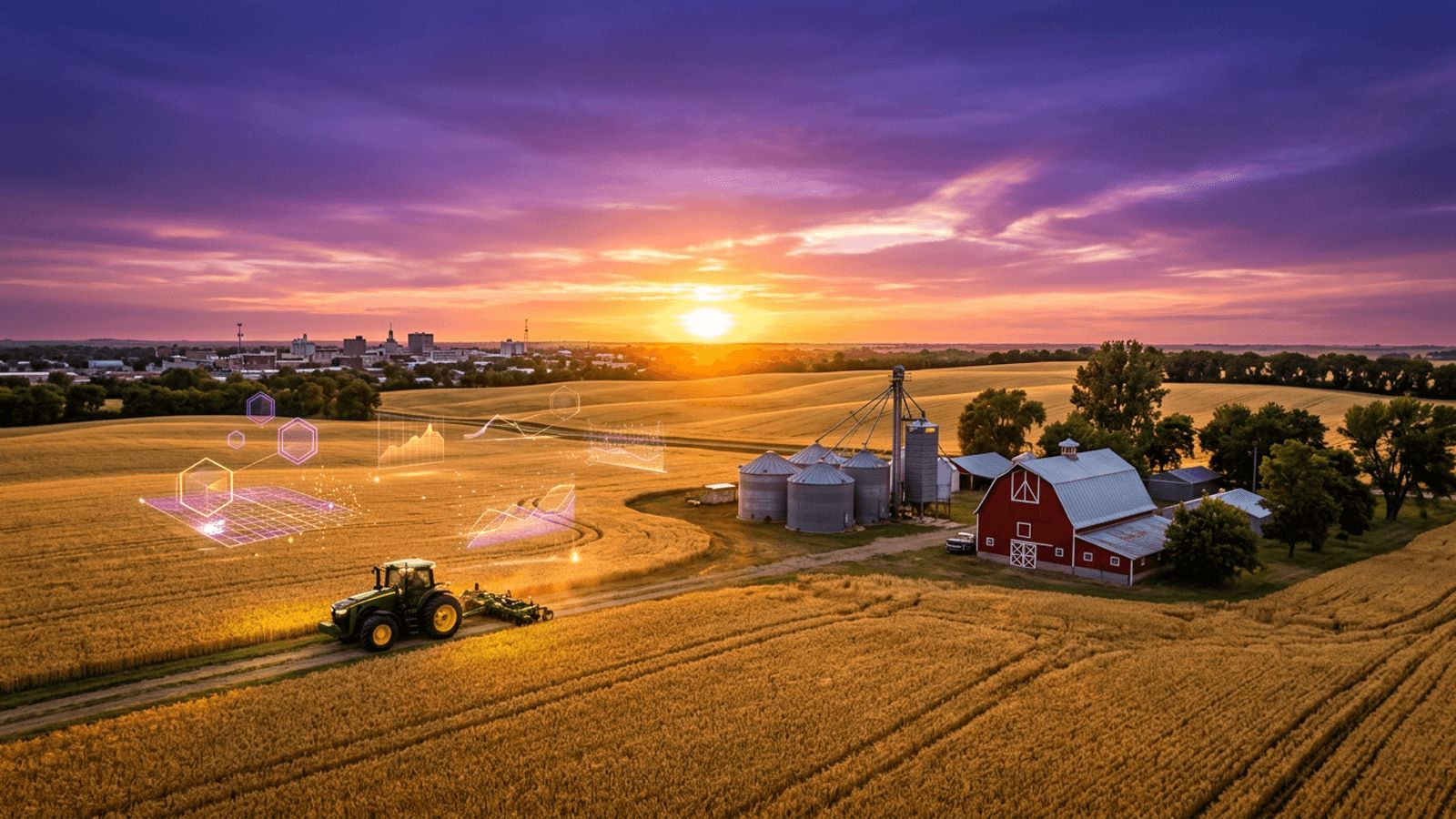
Agriculture Around Topeka
Kansas is famous for wheat, but the farmland surrounding Topeka is remarkably diverse. Shawnee, Jackson, Jefferson, Wabaunsee, and Douglas counties produce corn, soybeans, wheat, sorghum, hay, and cattle, while smaller operations grow fruits, vegetables, and specialty crops for local markets. The Kansas River valley offers fertile soil, and the Flint Hills to the southwest support some of the best grazing land in the country.
Farming in this region is supported by a network of cooperatives, grain companies, and agricultural organizations that buy crops, supply inputs, and provide expertise. The following ten companies play an important role in farming around Topeka.
How We Built This List
We considered regional presence, services to farmers, community involvement, reputation, and contribution to the agricultural economy of northeast Kansas. The list includes cooperatives, grain marketers, and organizations that strengthen local farming.
The Top 10 Farming and Agribusiness Companies in Topeka
1. Cargill
Cargill is one of the world's largest agricultural companies, with a long history in Kansas. It purchases grain, produces animal nutrition products, and operates protein and processing facilities across the state. For farmers near Topeka, Cargill offers market access, risk management tools, and feed solutions.
2. ADM
Archer Daniels Midland, known as ADM, operates grain elevators and processing facilities throughout the Midwest. It buys corn, soybeans, and wheat from Kansas producers and processes them into food ingredients, animal feed, and renewable fuels. Its marketing programs help farmers manage price risk.
3. Bartlett
Bartlett, based in the Kansas City region, is a major grain merchandiser, flour miller, and cattle feeder. Its elevator network serves Kansas growers, and its milling operations turn Kansas wheat into flour used by bakers nationwide. Its regional focus makes it an important partner for Topeka-area wheat growers.
4. Scoular
Scoular is an employee-owned agribusiness that buys, sells, stores, and transports grain and ingredients. It is known for its customer-focused approach, specialty grain programs, and logistics expertise. Kansas farmers benefit from its marketing options and connections to domestic and export buyers.
5. MKC
MKC is a farmer-owned cooperative serving Kansas with grain marketing, agronomy services, energy, and feed. Its agronomists help producers optimize fertilizer, seed, and crop protection plans, while its grain facilities offer reliable delivery points during harvest.
6. Jackson Farmers
Jackson Farmers is a long-standing cooperative based in Holton, just north of Topeka. It provides agronomy, feed, fuel, and farm supply services to producers in Jackson and surrounding counties. Its local focus and personal service make it a trusted resource for family farms in the area.
7. Ag Partners Cooperative
Ag Partners Cooperative serves farmers in northeast Kansas and southeast Nebraska with grain, agronomy, energy, and feed services. Its precision agriculture tools and crop consulting help producers increase yields while managing input costs.
8. Kansas Farm Bureau
Kansas Farm Bureau is the state's largest general farm organization, advocating for farmers and ranchers, providing education, and offering insurance and financial services. Its county chapters, including Shawnee County, connect farm families with resources, leadership programs, and policy updates.
9. Kansas Wheat
Kansas Wheat brings together the Kansas Wheat Commission and Kansas Association of Wheat Growers to support research, market development, and advocacy. Its work on new wheat varieties, quality testing, and export promotion directly benefits growers around Topeka.
10. Topeka Farmers Market Growers
The Topeka Farmers Market brings together dozens of local producers who sell vegetables, fruit, meat, eggs, honey, and baked goods. These small farms represent the growing local food movement in Shawnee County and give residents direct access to fresh, seasonal products.
Why These Companies Matter
Together, these organizations create a complete agricultural ecosystem around Topeka. Large grain companies provide global market access, cooperatives deliver local agronomy and supply services, and advocacy groups ensure farmers have a voice in policy. Local market growers, meanwhile, strengthen food security and community connections.
Trends Shaping Farming in Northeast Kansas
Precision agriculture, including GPS-guided equipment, variable-rate fertilizer, and drone scouting, is helping farmers reduce costs and improve sustainability. Regenerative practices such as cover cropping and no-till farming are gaining traction to protect soil health and water quality. At the same time, consumer interest in locally grown food continues to support small diversified farms near Topeka.
Frequently Asked Questions
What crops are most common around Topeka?
Corn and soybeans dominate the Kansas River valley and surrounding uplands, with winter wheat, grain sorghum, and hay also widely grown. Cattle production is significant, especially in the grasslands west and southwest of the city.
How do cooperatives benefit local farmers?
Cooperatives are owned by their members, so profits are often returned to farmers through patronage dividends. They also provide local grain marketing, agronomy expertise, fuel, and supplies, keeping services close to rural communities.
Can residents buy directly from Topeka-area farms?
Yes. The Topeka Farmers Market, on-farm stands, community supported agriculture subscriptions, and local meat lockers allow residents to purchase directly from producers. Buying direct supports family farms and keeps food dollars within the regional economy.
How is technology changing farming in Shawnee County?
Local farmers increasingly use yield mapping, soil sampling grids, satellite imagery, and automated steering to manage inputs precisely. These tools help reduce fertilizer and fuel costs while protecting water quality in nearby streams and rivers.
Final Thoughts
Farming remains central to Topeka's identity and economy. Whether you are a producer looking for a marketing partner or a resident interested in local food, these ten companies and organizations showcase the strength and diversity of agriculture in Kansas's capital region.