
The Roots of Taiwanese Agriculture
Agriculture has long been woven into the fabric of Taiwanese life. Despite the island's compact size and mountainous terrain, farmers have cultivated an impressive diversity of crops, from rice and tea to tropical fruits and specialty vegetables. The leading farming companies today build on generations of accumulated knowledge, pairing time-tested techniques with modern science to feed a discerning domestic market and a growing export base.
What makes Taiwanese farming distinctive is the emphasis on quality over sheer volume. With limited arable land, producers focus on high-value crops and careful cultivation, earning a reputation for flavor and freshness that commands premium prices both at home and abroad.
Embracing Smart Farming Technology
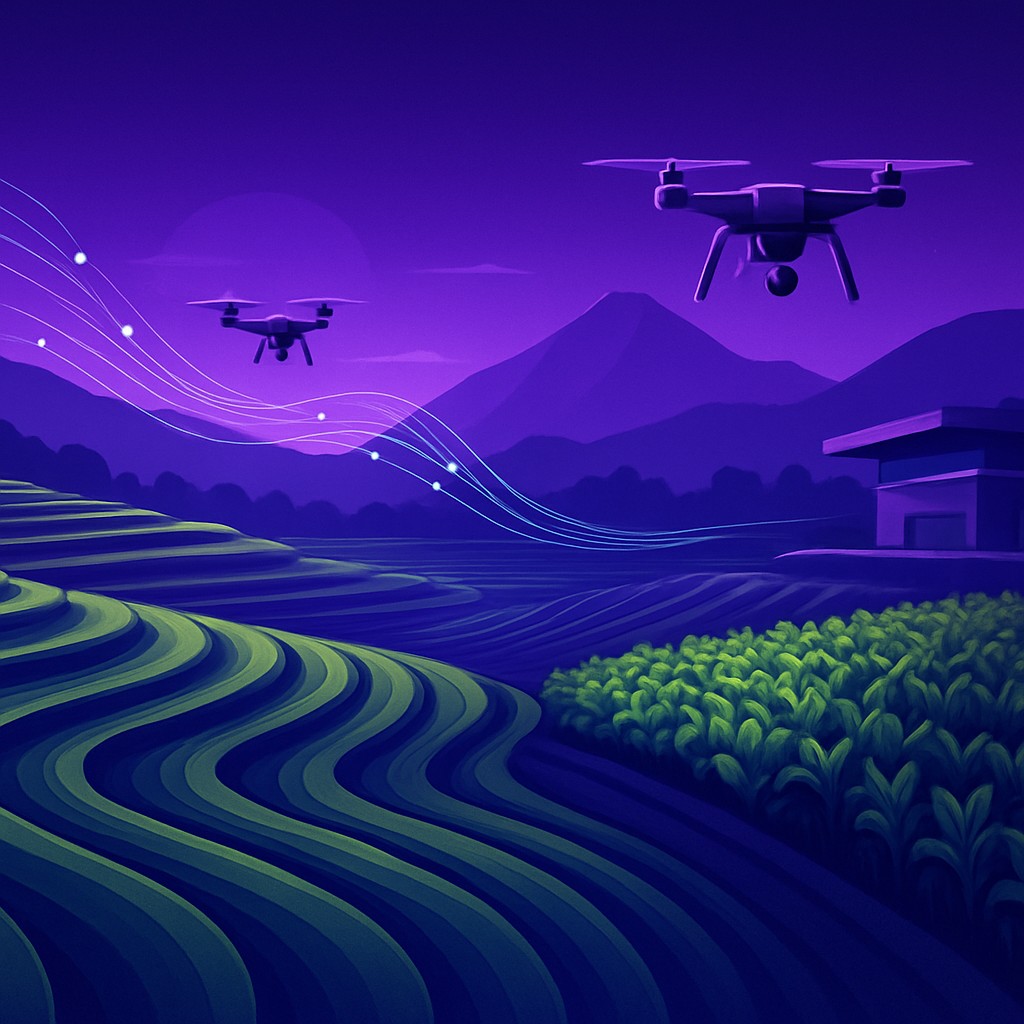
The most progressive farming companies in Taiwan have wholeheartedly adopted precision agriculture. Sensors monitor soil moisture and nutrient levels, automated irrigation systems conserve water, and climate-controlled greenhouses extend growing seasons. Drones survey fields to detect pest outbreaks early, while data analytics help managers optimize planting schedules and yields.
This technological shift addresses one of the island's persistent challenges: a shrinking and aging rural workforce. By automating labor-intensive tasks, leading companies maintain productivity while attracting younger talent interested in agritech careers.
Commitment to Food Safety and Quality
Taiwanese consumers are highly attentive to food safety, and the best farming companies respond with rigorous quality control. Traceability systems allow produce to be tracked from field to shelf, and many operations pursue certifications for organic or low-pesticide cultivation. This transparency builds trust and supports premium positioning in supermarkets and specialty stores.
Export-oriented producers must also meet the stringent standards of destination markets across Asia and beyond, prompting continuous investment in testing, packaging, and cold-chain logistics.
Sustainability and Environmental Stewardship
Sustainability is increasingly central to Taiwan's agricultural leaders. Practices such as crop rotation, integrated pest management, and reduced chemical inputs protect soil health and biodiversity. Some companies have embraced circular approaches, turning agricultural waste into compost or biogas, while others experiment with hydroponics and vertical farming to maximize output from minimal land and water.
These efforts reflect a broader recognition that long-term success depends on preserving the natural resources on which farming relies.
Supporting Local Communities
Beyond producing food, the top farming companies play an important social role. Many partner with smallholder farmers, providing seeds, training, and guaranteed purchasing arrangements that stabilize rural incomes. Others promote agritourism, inviting visitors to experience harvests firsthand and deepening the connection between consumers and the land.
Conclusion
Taiwan's farming companies demonstrate that thoughtful innovation and respect for tradition can coexist productively. By investing in technology, prioritizing quality and safety, and committing to sustainable practices, these leaders ensure that the island's agricultural heritage remains vibrant. As global interest in safe, high-quality food grows, Taiwan's farming sector is poised to contribute meaningfully to the future of agriculture.