
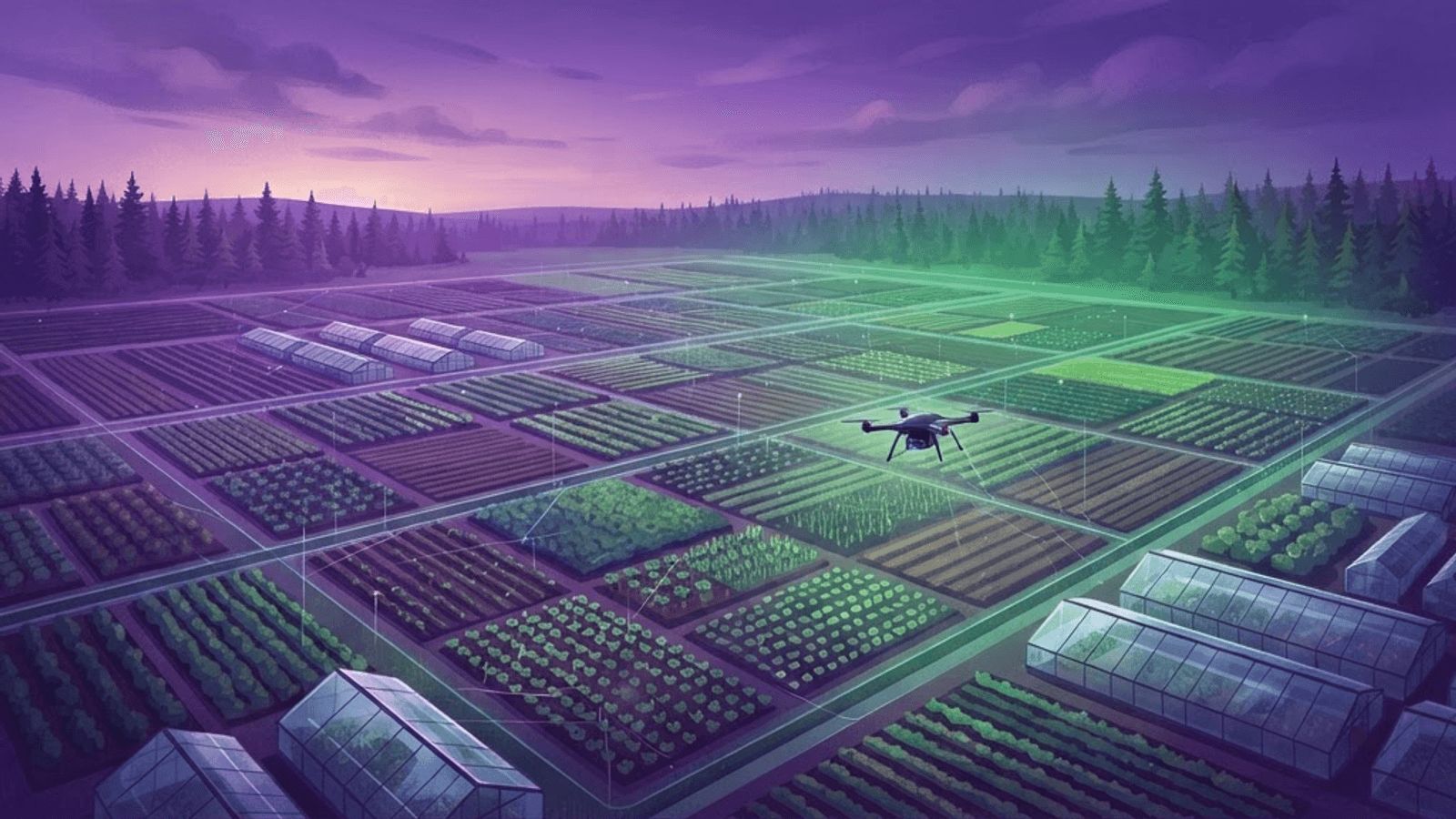
Agriculture in and Around Tacoma
Tacoma itself is urban, but it sits at the center of a productive agricultural region. The Puyallup Valley has grown berries, vegetables, and flowers for well over a century, aided by rich alluvial soil and a mild maritime climate. Pierce County supports dairy operations, hay and forage production, nurseries, and an expanding cluster of small diversified farms selling directly to consumers. Within the city, urban farms and community growing projects supply restaurants, food banks, and neighborhood markets.
The economics here differ from eastern Washington's large-scale irrigated agriculture. Land parcels are smaller and more expensive, growing seasons are cool and wet, and proximity to a dense metropolitan population makes direct-to-consumer and specialty markets far more viable than commodity production. That reality shapes which farming companies thrive.
What Defines a Strong Farming Operation
Successful farms in this region combine several strengths. Soil stewardship comes first, since sustained yields in a wet climate depend on drainage management, cover cropping, and organic matter maintenance. Market diversification is second: operations selling through farmers markets, CSA subscriptions, wholesale accounts, and restaurant channels weather individual market shocks far better than single-channel farms.
Water management, food safety compliance, labor practices, and post-harvest handling round out the picture. For buyers evaluating farm partners, food safety certification, consistent grading, dependable delivery scheduling, and honest crop forecasting matter more than acreage. For anyone studying the sector, the operations worth attention are those investing in season extension, soil health, and value-added processing.
Top 10 Best Farming Companies in Tacoma
1. Puyallup Valley Berry Growers — A long-standing berry operation producing raspberries, blueberries, and strawberries for fresh market and processing. Their strength is harvest logistics: rapid cooling and careful handling preserve quality through a notoriously fragile supply chain.
2. South Sound Family Dairy Co. — A multi-generation dairy focused on herd health, pasture management, and milk quality. Investments in manure digestion and nutrient management address environmental concerns central to dairy operations in the Puget Sound watershed.
3. Commencement Bay Urban Farms — Operates intensive market gardens on reclaimed urban parcels, supplying Tacoma restaurants and neighborhood markets. Their model shows how small footprints become highly productive through succession planting and high-value crop selection.
4. Rainier Greenhouse Produce — Year-round greenhouse production of tomatoes, cucumbers, leafy greens, and herbs. Controlled-environment growing overcomes the region's limited winter light and gives buyers consistent supply through the off season.
5. Evergreen Organic Vegetable Farms — A certified organic diversified vegetable operation selling through CSA subscriptions and wholesale accounts. Rigorous crop rotation and cover cropping keep soil productive without heavy external inputs.
6. Northwest Hop & Specialty Crop Co. — Grows hops and specialty crops serving the region's craft brewing and distilling industry. Variety knowledge and careful post-harvest drying make them a valued partner for brewers seeking distinctive local character.
7. Harbor Aquaponics & Vertical Growers — Uses recirculating aquaponic and vertical systems to produce greens and herbs with minimal land and water. Consistent quality and very short delivery distances appeal to chefs and grocers focused on freshness.
8. Pacific Nursery & Ornamental Growers — Produces trees, shrubs, and perennials for landscapers, municipalities, and garden centers. Native plant expertise supports restoration and stormwater projects across Pierce County.
9. Foss Waterway Livestock & Pasture Co. — Raises pasture-based beef, lamb, and poultry with rotational grazing practices. Transparent animal husbandry and direct sales relationships have built a loyal customer base among Tacoma households and restaurants.
10. Tideflats Hay & Forage Producers — Supplies hay, silage, and forage to dairies, equine facilities, and small livestock owners. Moisture management and consistent bale quality are the practical measures customers judge them on, and they perform well on both.
Trends Shaping Northwest Farming
Climate variability is the defining challenge. Warmer, drier summers and heavier winter rainfall events are pushing growers toward improved drainage, irrigation efficiency, and heat-tolerant varieties. Season extension through tunnels and greenhouses has expanded significantly as a hedge against unpredictable spring weather.
Direct-to-consumer sales continue to grow, supported by online CSA platforms and farm store models that capture more retail margin. Regenerative practices — cover crops, reduced tillage, integrated livestock — are gaining traction as both agronomic and marketing strategies. Labor remains a persistent constraint, driving investment in mechanization for tasks like weeding and harvest assistance. And value-added processing, from jams and ciders to frozen berries, helps farms convert seasonal surplus into year-round revenue.
Working With Local Farms
Buyers who succeed with local agriculture plan around biology rather than convenience. Commit to seasonal availability windows, communicate volume needs well before planting decisions are made, and accept reasonable variation in size and appearance. Farms that know demand in advance can plant to match it, which benefits both sides.
Verify food safety certification appropriate to your channel, agree on delivery schedules and cold chain responsibilities in writing, and discuss contingency plans for weather-driven shortfalls. For consumers, buying through CSA subscriptions or farm stands provides growers with predictable cash flow early in the season when it matters most. Building multi-year relationships tends to yield better pricing and priority allocation than shopping purely on spot price.
Final Thoughts
Farming around Tacoma is defined by intensity rather than scale — small parcels, high-value crops, and close relationships with a nearby urban market. The operations profiled here succeed by managing soil and water carefully while diversifying how they sell. For chefs, grocers, and households, engaging with them offers fresher food and a more resilient regional food system.