
Agriculture Around Rochester
Rochester sits in one of the more agriculturally productive corners of the Northeast, and the reason is largely geological and climatic. Lake Ontario moderates temperatures along the shoreline, extending the growing season and protecting fruit buds from late frosts. Glacial soils across the Genesee Valley are deep and fertile. Adequate rainfall reduces irrigation dependence relative to Western growing regions. Together these conditions support an unusually diverse agricultural economy within a short drive of the city.
That diversity is the sector's defining strength. Dairy remains the largest single agricultural enterprise in New York, and Monroe County and its neighbours host substantial dairy operations. The lakeshore fruit belt produces apples, cherries, peaches and pears at commercial scale. Vegetable growers supply both fresh market and processing customers. Grain and forage operations occupy the broader valley, and a large number of smaller farms serve direct-to-consumer channels through markets, community-supported agriculture and agritourism.
Trends in Regional Agriculture
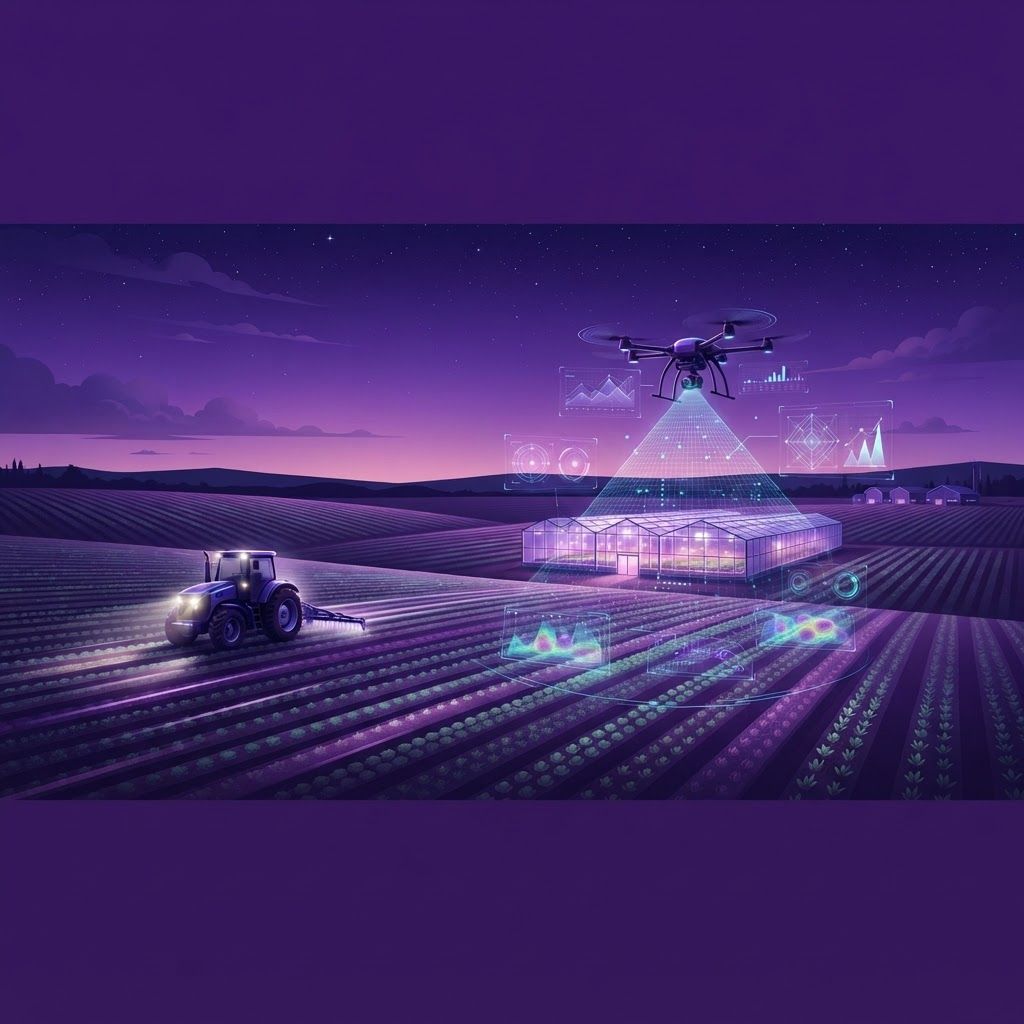
Precision agriculture has become mainstream rather than experimental. GPS-guided equipment, variable-rate fertiliser application, soil moisture sensing, drone-based crop scouting and yield mapping now inform decisions on farms of moderate size, not merely the largest operations. The result is measurably better input efficiency and reduced nutrient runoff.
Regenerative practices have gained substantial ground. Cover cropping, reduced tillage, diverse rotations and managed grazing improve soil organic matter, water infiltration and resilience to both drought and heavy rainfall. Several regional farms have documented meaningful improvements in soil health over relatively short periods.
Direct-to-consumer sales continue to strengthen. Farm stands, on-farm stores, community-supported agriculture subscriptions, online ordering and farm-to-restaurant relationships all capture more value per unit than commodity channels, and Rochester's engaged local food culture supports them well.
Controlled environment agriculture is expanding. Greenhouses and indoor growing operations extend the season for leafy greens, herbs and tomatoes, supplying regional demand through months when field production is impossible in Western New York.
Farm succession, however, remains the sector's most pressing structural challenge. The average age of farm operators continues to rise, and transferring land, equipment and knowledge to a new generation is difficult given capital requirements.
The Top 10 Farming Companies in Rochester
1. Genesee Valley Farms — A diversified row crop and dairy operation working some of the region's most productive valley soils. Genesee Valley Farms has invested heavily in precision application technology and cover cropping, and it is frequently cited as a regional example of conservation practice at commercial scale.
2. Lake Ontario Orchards — A large fruit operation producing apples, cherries and stone fruit along the lakeshore fruit belt. Lake Ontario Orchards operates controlled-atmosphere storage, allowing regional apples to reach consumers well into the following spring.
3. Monroe Dairy Farms — A modern dairy operation combining herd genetics, robotic milking and comprehensive nutrient management. Monroe Dairy Farms exemplifies how New York dairy has raised both productivity and environmental performance simultaneously.
4. Flour City Vegetable Growers — Fresh market vegetable production supplying regional grocers, distributors and restaurants. Flour City Vegetable Growers manages staggered plantings to maintain continuous supply through the season rather than a single harvest peak.
5. Highland Grain & Forage — Corn, soybeans, small grains and hay production serving both livestock feed and commodity markets. Highland Grain & Forage has adopted reduced tillage systems that protect soil structure on rolling ground.
6. Erie Canal Organic Farm — Certified organic vegetable and mixed production with a strong community-supported agriculture programme. Erie Canal Organic Farm demonstrates that organic certification and commercial viability coexist comfortably in this region.
7. Irondequoit Greenhouse Growers — Controlled environment production of greens, herbs, tomatoes and bedding plants. Irondequoit Greenhouse Growers supplies fresh produce during the long Western New York off-season, when field crops simply are not available.
8. Upstate Livestock Company — Beef, pork and poultry production with pasture-based management. Upstate Livestock Company sells through direct-to-consumer channels and to regional restaurants seeking traceable, locally raised protein.
9. Ridgeway Berry Farms — Strawberries, blueberries, raspberries and seasonal berry crops with pick-your-own operations. Ridgeway Berry Farms combines wholesale supply with agritourism, which diversifies revenue and builds community connection.
10. Rochester Urban Agriculture Collective — Urban farming across city lots and community sites, producing vegetables for neighbourhood markets while running food access and youth education programmes. Rochester Urban Agriculture Collective addresses food access and workforce development alongside production.
Working With Regional Farms
For chefs and grocers, the practical advice is to plan around the calendar rather than against it. Building menus and merchandising plans around what the region actually produces each month produces better food and better margins than trying to source local product out of season.
Commit early where possible. Many farms will plant to contract if a buyer commits before the season starts, which reduces risk for the grower and secures supply for the buyer. That conversation should happen in winter, not July.
Understand certification distinctions. Certified organic, transitioning, integrated pest management and conventional production are meaningfully different, and asking about practices directly yields more useful information than relying on labels alone.
Finally, appreciate scale reality. A small diversified farm cannot supply a large institutional contract, and a commodity grain operation is not set up for restaurant-scale orders. Matching your volume to the right farm makes the relationship sustainable.
The Outlook for Rochester Agriculture
Regional agriculture faces genuine pressures — climate variability, labour availability, farm succession and development pressure on farmland — but its fundamentals remain strong. Reliable water, good soils, a moderating lake effect and a large nearby consumer market are advantages many growing regions lack. Continued adoption of precision and regenerative practices, growth in controlled environment production and expanding direct-to-consumer channels all point toward a resilient sector.