
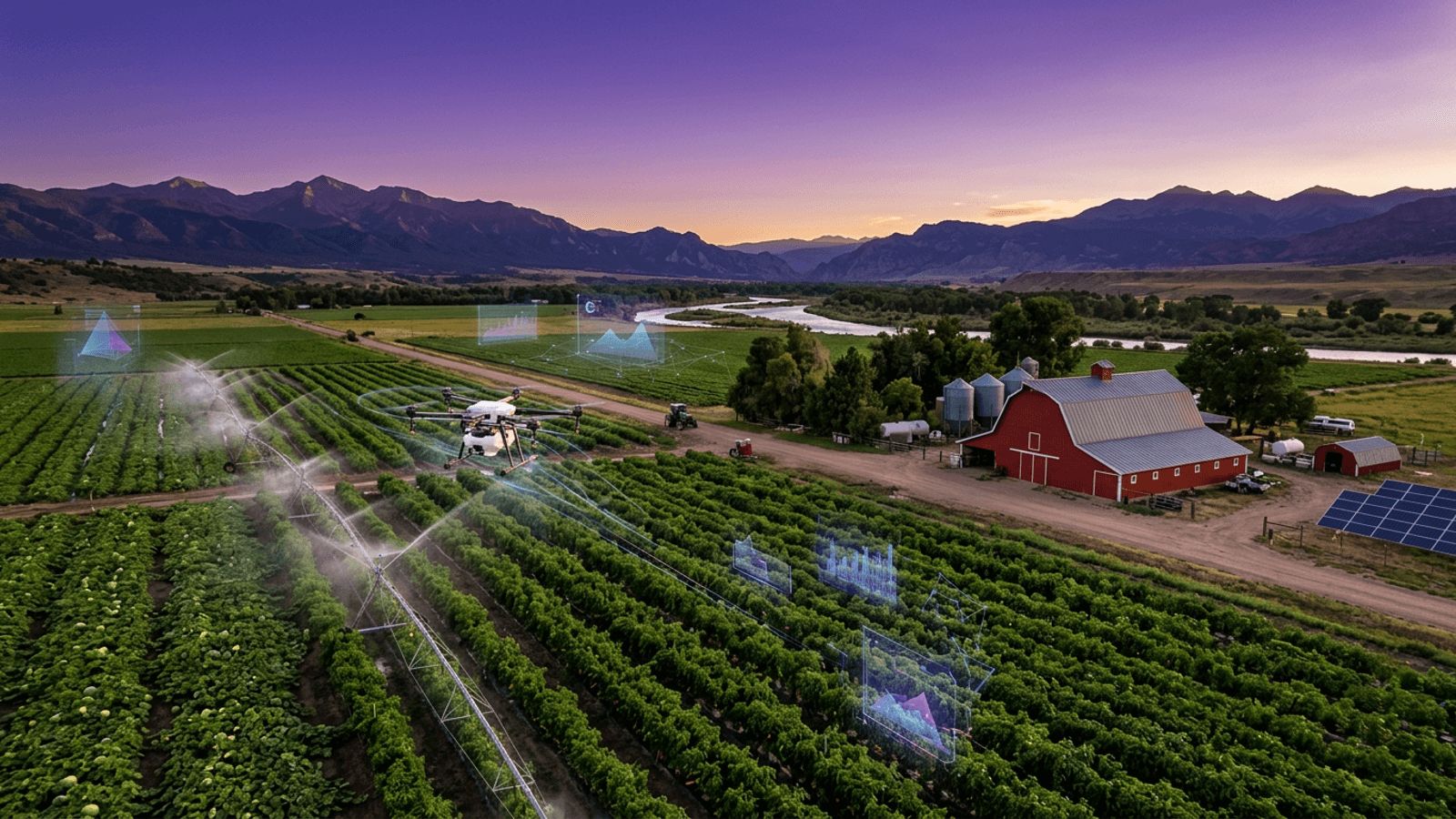
Agriculture in the Heart of the Arkansas Valley
Pueblo County sits in the fertile Arkansas River Valley, where long sunny days, cool nights, and irrigation from mountain snowmelt create ideal growing conditions. The region is best known for the Pueblo chile, a thick-walled, flavorful pepper with a devoted following. Local farms also grow sweet corn, onions, pumpkins, tomatoes, melons, and hay, while ranches raise cattle across the surrounding prairie. Farming here is often a multi-generational family tradition.
This guide highlights ten of the best farming operations in and around Pueblo, selected for product quality, community involvement, sustainable practices, and reputation.
The Top 10 Farming Companies in Pueblo
1. DiSanti Farms
DiSanti Farms is one of the most recognized names in Pueblo chile production. The family-run operation grows chiles, vegetables, and pumpkins, and its roasted chile is a fall tradition for many Colorado families. DiSanti has played a key role in promoting Pueblo chile as a premium regional product.
2. Milberger Farms
Milberger Farms has been farming the Arkansas Valley for generations and operates a popular farm market. Visitors come for freshly roasted chiles, sweet corn, and seasonal produce, as well as fall activities that make the farm a family destination.
3. Musso Farms
Musso Farms is another longtime family farm known for Pueblo chiles and fresh vegetables. Its roadside market and roasting operation attract loyal customers each summer and fall. The farm is admired for maintaining traditional growing methods and exceptional flavor.
4. Mauro Farms
Mauro Farms grows a wide variety of produce, with a focus on Pueblo chiles. The family operation sells at its farm stand and supplies retailers and restaurants. Its commitment to quality and customer service has made it a respected name in Pueblo agriculture.
5. Hobbs Family Farm
Hobbs Family Farm in the Avondale area offers seasonal produce, a pumpkin patch, and agritourism experiences. Families enjoy fall events, hayrides, and fresh chiles, making the farm a beloved part of Pueblo's autumn traditions.
6. Pueblo Seed and Food Co.
Pueblo Seed and Food Co. focuses on regenerative agriculture, open-pollinated seeds, and locally adapted crops. The farm produces vegetables, grains, and seeds while educating the community about soil health and sustainable food systems.
7. Pueblo Chile Growers Association Members
The Pueblo Chile Growers Association unites farmers dedicated to growing and marketing authentic Pueblo chile. Its members have worked to certify and protect the Pueblo chile brand, ensuring consumers receive genuine, high-quality peppers grown in the region.
8. Arkansas Valley Melon Growers
Just east of Pueblo, growers in the Rocky Ford area are famous for sweet cantaloupes and watermelons. These farms supply grocery stores and markets across Colorado, and their melons are a highlight of summer in southern Colorado.
9. Pueblo County Cattle Ranches
Cattle ranching is a cornerstone of Pueblo County's agricultural economy. Family ranches raise beef cattle on native grasslands, using rotational grazing practices that support healthy rangelands. Many sell locally raised beef directly to consumers.
10. Controlled Environment and Greenhouse Growers
Greenhouse and controlled environment operations in Pueblo grow vegetables, microgreens, flowers, and specialty crops year-round. These modern farms use efficient irrigation, LED lighting, and climate control to produce high yields while conserving water.
Farming Trends in Pueblo
Water conservation is a top priority, with farmers adopting drip irrigation, soil moisture monitoring, and drought-resistant varieties. Agritourism continues to grow, with farm markets, pumpkin patches, and chile roasting events attracting visitors. Direct-to-consumer sales and community-supported agriculture programs help farms capture more value. Regenerative practices that improve soil health and resilience are also gaining traction.
Why Supporting Local Farms Matters
Buying from local farms keeps money in the Pueblo economy and preserves agricultural land and heritage. Fresh, locally grown produce often tastes better and travels fewer miles. The annual Chile and Frijoles Festival showcases the strong connection between Pueblo's farms and community identity, celebrating the people who grow the region's most famous crop.
How to Find the Right Farm Partner
Restaurants and retailers should visit farms, ask about growing practices, and plan seasonal purchasing in advance. Consumers can explore farm stands, farmers markets, and CSA programs. Look for farms that are transparent about their methods and invested in the community.
Frequently Asked Questions
What makes Pueblo chile different from other chiles?
Pueblo chiles are known for thick walls, a rich and earthy flavor, and a heat level that ranges from mild to hot. The region's hot days, cool nights, and mineral-rich soils contribute to their distinctive taste.
Where can I buy fresh produce directly from Pueblo farms?
Many Arkansas Valley farms operate roadside stands and farm markets during the growing season, and several participate in local farmers markets. Calling ahead or following farm announcements helps you catch peak harvest times.
Do Pueblo farms offer family activities?
Yes. Several farms host pumpkin patches, corn mazes, hayrides, and chile roasting events in the fall, making them popular destinations for families and school groups.
Conclusion
Pueblo's farms are central to the city's identity, economy, and culture. From iconic chile growers and family farm markets to regenerative seed producers and cattle ranches, the operations on this list represent the best of Arkansas Valley agriculture. Supporting them ensures that Pueblo's rich farming tradition continues for generations to come.