
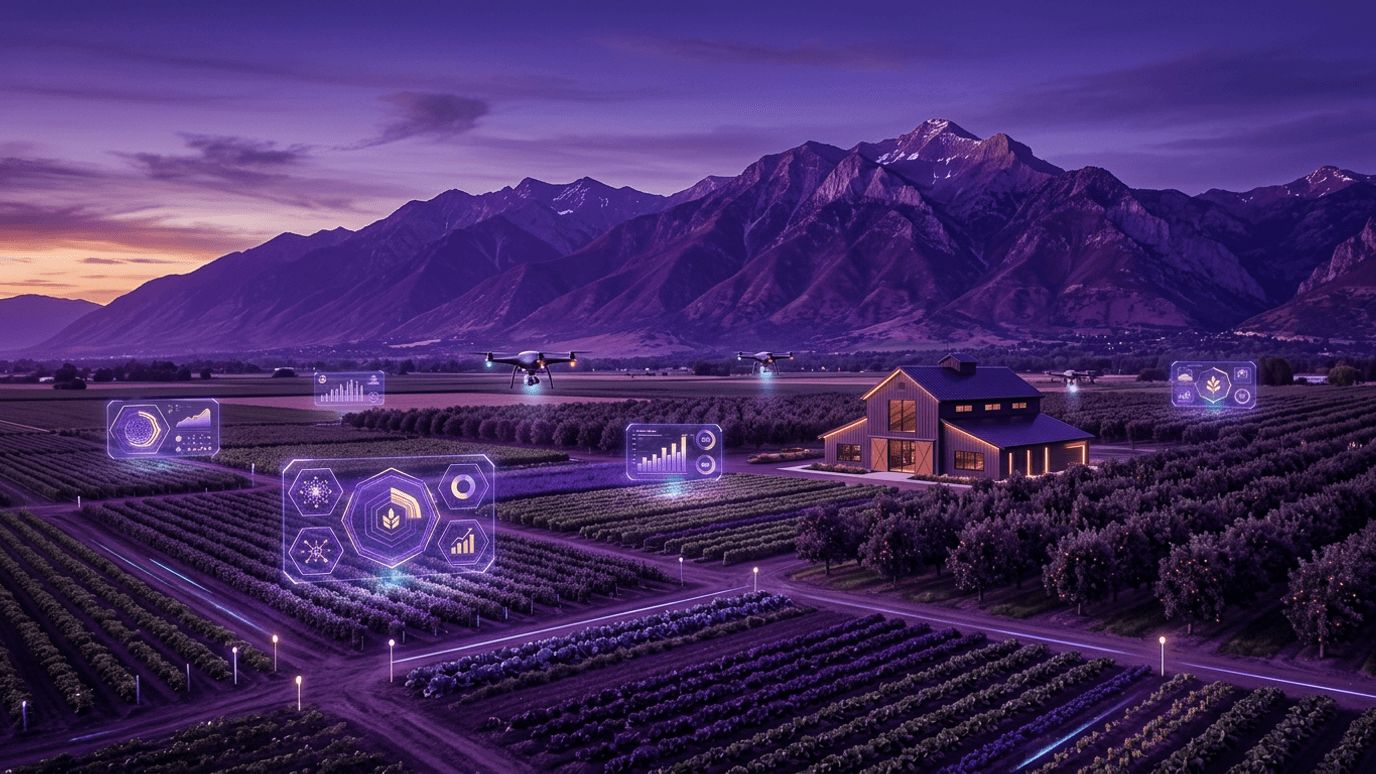
Agriculture's Deep Roots in Utah Valley
Long before Provo became a tech and education hub, Utah Valley was farm country. Pioneer settlers built irrigation systems fed by mountain streams, and the valley became known for orchards, dairies, and fertile fields. Today, agriculture still plays an important role in Utah County's economy and identity, especially in the southern and western parts of the county where orchards, hay fields, and livestock operations remain.
Provo residents enjoy access to fresh fruit stands, farmers markets, pumpkin patches, and locally produced dairy and flour. The farming companies and organizations below represent the best of Utah Valley agriculture.
What Makes a Standout Farming Company
The best farming operations combine productivity with sustainability and community engagement. They use water wisely, care for soil health, adopt modern technology, and often open their doors to the public through farm stands, events, and educational programs. Strong reputations for quality and fair business practices also matter.
1. Bateman's Mosida Farms
Bateman's Mosida Farms, located on the west side of Utah Lake, is one of the largest dairy and agricultural operations in Utah County. It produces milk, hay, and other crops on a large scale. Its use of modern dairy technology shows how Utah agriculture is adapting to meet growing demand efficiently.
2. Rowley's Red Barn
Located in Santaquin, Rowley's Red Barn is a beloved family farm known for its orchards, fresh-pressed cider, fruit shakes, and seasonal activities. Provo families visit for pumpkin patches, corn mazes, and fresh produce. It is a strong example of agritourism supporting local agriculture.
3. Hee Haw Farms
Hee Haw Farms in Pleasant Grove offers seasonal farm experiences, including pumpkin picking, animal encounters, and family activities. It helps connect urban and suburban residents with farm life and supports agricultural education for local children.
4. Payson Fruit Growers
Payson Fruit Growers is a cooperative of fruit growers in southern Utah County. It packs and distributes apples, peaches, cherries, and other fruit grown in the area. The cooperative model helps family orchards reach larger markets and maintain the region's fruit-growing heritage.
5. Clifford Family Farm
Clifford Family Farm in Provo grows fresh produce and runs a popular seasonal farm stand. It has become a local favorite for sweet corn, tomatoes, and other summer crops. Its presence within city limits is a reminder of Provo's agricultural roots.
6. Lehi Roller Mills
Lehi Roller Mills is a historic flour mill in northern Utah County that has milled grain for more than a century. Its baking mixes and flours are popular across the state. The mill supports local wheat growers and is a lasting symbol of Utah Valley's agricultural legacy.
7. Intermountain Farmers Association
Intermountain Farmers Association, known as IFA, is a farmer-owned cooperative providing feed, seed, fertilizer, and farm supplies. Its stores throughout Utah County serve commercial farmers, ranchers, and backyard gardeners. IFA also offers agronomy services that help farmers improve yields.
8. Western AgCredit
Western AgCredit provides financing to farmers and ranchers in Utah and neighboring states. Its loans for land, equipment, and operating costs help Utah County agricultural businesses grow and modernize. As part of the Farm Credit System, it focuses specifically on agricultural needs.
9. Utah Farm Bureau Federation
The Utah Farm Bureau Federation advocates for farmers and ranchers across the state, including those in Utah County. It supports agricultural education, policy engagement, and community programs that help keep family farms viable as land development pressures grow.
10. Utah Valley Farmers Markets
Seasonal farmers markets in Provo and surrounding cities give local growers direct access to customers. They showcase fresh produce, honey, baked goods, and artisan products. These markets help small farms build loyal customer bases and keep food dollars in the local economy.
Trends in Utah Valley Agriculture
Water conservation is the most important issue facing Utah agriculture, leading many farmers to adopt efficient irrigation and drought-tolerant crops. Development pressure is reducing available farmland, which has increased interest in conservation easements and agritourism as ways to keep farms viable. Technology such as GPS-guided equipment, soil sensors, and drones is improving efficiency. Consumer demand for local food also continues to grow.
How to Support Local Farming
Provo residents can support agriculture by shopping at farm stands and farmers markets, joining community-supported agriculture programs, and choosing locally grown products at grocery stores. Businesses can partner with local farms for ingredients, catering, and events. These choices help preserve open space and protect Utah Valley's agricultural heritage.
Frequently Asked Questions
What crops grow best in Utah County?
Hay, alfalfa, fruit such as apples, peaches, and cherries, grains, and a variety of vegetables do well. Water availability and elevation strongly influence what each farm grows.
Where can Provo residents buy local produce?
Farm stands, seasonal farmers markets, and community-supported agriculture programs are the best options. Some grocery stores also highlight Utah-grown products.
How is development affecting local farms?
Rapid growth has reduced farmland in Utah County, making conservation easements, agritourism, and direct-to-consumer sales important for keeping farms in operation.
Final Thoughts
Farming remains part of Provo's identity, even as the city grows and modernizes. The farms and organizations above show how Utah County agriculture combines tradition with innovation. By supporting them, residents help make sure future generations can enjoy fresh local food and the scenic farmland that makes Utah Valley special.