
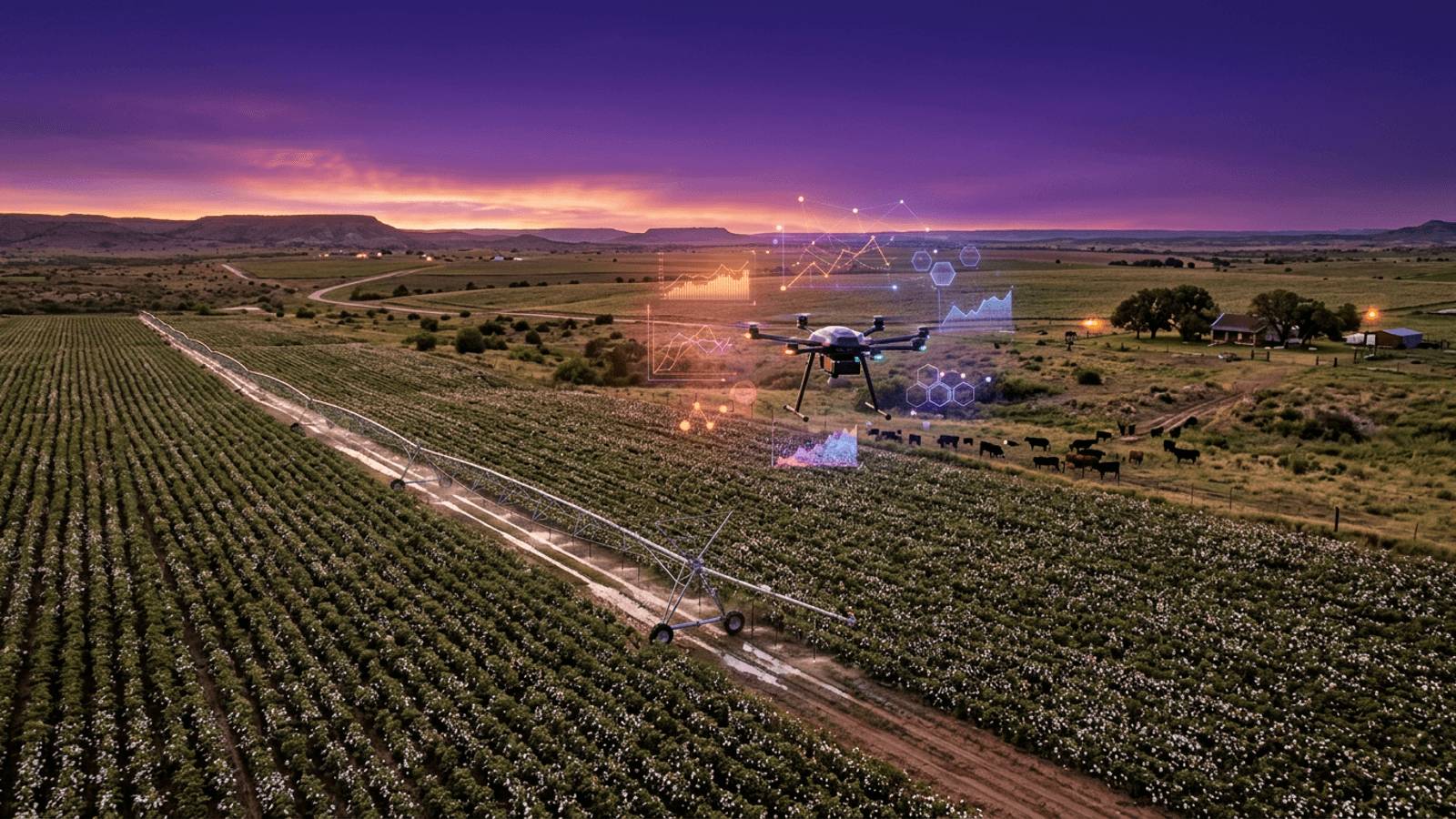
Odessa is best known for oil, but agriculture has deep roots in Ector County and the surrounding Permian Basin. Ranching has shaped West Texas culture for generations, and nearby counties produce significant cotton, sorghum, and hay crops. The region's semi-arid climate, limited rainfall, and sandy soils create real challenges, but local farmers and ranchers have adapted with innovative practices and strong cooperative networks.
This guide highlights ten farming companies, landholders, and agricultural organizations that play important roles in supporting agriculture in and around Odessa.
Agriculture in the Permian Basin
Farming in this region requires careful water management and drought resilience. Cotton remains a primary crop in the broader area, while cattle ranching dominates much of the land. Many ranches also lease land for oil and gas activity, creating a unique blend of agricultural and energy income. Cooperative marketing, financing, and extension services help producers manage risk and stay competitive.
1. Texas Pacific Land Corporation
Texas Pacific Land Corporation is one of the largest landowners in Texas, with extensive holdings in the Permian Basin. While known for its energy royalties and water business, its land management includes grazing leases and stewardship practices that intersect with regional agriculture.
2. King Ranch
King Ranch is one of the most famous ranching companies in the world. Although headquartered in South Texas, its influence on cattle breeding and ranch management is felt statewide. Its innovations in cattle genetics and land management have shaped ranching practices across Texas, including West Texas operations.
3. Plains Cotton Cooperative Association
The Plains Cotton Cooperative Association, based in Lubbock, helps cotton producers market their crops. It provides farmers with access to global markets, marketing pools, and price risk management tools, which are essential for growers across West Texas.
4. Capital Farm Credit
Capital Farm Credit provides loans and financial services to farmers, ranchers, and rural landowners across Texas. Its cooperative structure returns earnings to members, making it a trusted financial partner for agricultural producers in the region.
5. AgTexas Farm Credit Services
AgTexas Farm Credit Services serves producers in West Texas with operating loans, equipment financing, and land loans. Its local knowledge helps farmers navigate the financial challenges of drought, market swings, and rising costs.
6. Texas A&M AgriLife Extension Service
The Texas A&M AgriLife Extension Service provides research-based education to farmers and ranchers. Its Ector County office offers programs on soil health, water conservation, livestock management, and youth agriculture through 4-H.
7. Texas Farm Bureau
Texas Farm Bureau advocates for farmers and ranchers while offering insurance and member benefits. Its county organizations, including in Ector County, support rural communities and agricultural education.
8. Tractor Supply Company
Tractor Supply serves farmers, ranchers, and rural lifestyle customers with feed, fencing, animal health products, and equipment. Its Odessa locations are essential for ranchers and hobby farmers who need supplies close to home.
9. Purina Animal Nutrition
Purina Animal Nutrition supplies livestock feed and nutrition programs through local dealers. Ranchers in the Permian Basin rely on Purina supplements to maintain cattle health during dry seasons when forage is limited.
10. Permian Basin Fair and Expo
The Permian Basin Fair and Expo celebrates agriculture through livestock shows, youth competitions, and community events. It supports the next generation of farmers and ranchers by showcasing their work and encouraging agricultural careers.
Trends in West Texas Agriculture
Water conservation is a top priority, with growers adopting drip irrigation, soil moisture monitoring, and drought-tolerant crops. Precision agriculture technology, including GPS-guided equipment and drones, is improving efficiency. Regenerative ranching practices are gaining interest as producers look to improve soil health. Diversification, including agritourism and direct-to-consumer beef sales, is helping some operations increase income.
How to Engage With the Farming Community
Producers can benefit from extension programs, cooperative memberships, and local agricultural organizations. Consumers can support local agriculture by purchasing beef and produce directly from regional farms and attending events such as livestock shows and farmers markets.
Frequently Asked Questions
What crops grow best around Odessa?
Cotton, grain sorghum, and hay are among the most common crops in the broader Permian Basin. Drought-tolerant forage grasses and native plants also perform well. Success depends heavily on water availability, soil type, and careful management of limited rainfall.
How do ranchers manage cattle during drought?
Ranchers rotate pastures, reduce herd sizes when necessary, provide supplemental feed, and invest in water infrastructure such as wells and storage tanks. Extension programs offer guidance on stocking rates and drought planning to help operations remain sustainable.
Can small landowners get involved in agriculture?
Yes. Many small landowners near Odessa raise livestock, grow hay, or maintain agricultural exemptions through approved activities such as beekeeping or wildlife management. Local extension agents can explain the requirements and help newcomers create practical management plans.
Where can residents buy locally raised food?
Regional farmers markets, livestock shows, and direct-sale ranches offer locally raised beef and seasonal produce throughout the year.
Final Thoughts
Agriculture remains an essential part of Odessa's identity and economy. The companies and organizations above help farmers and ranchers overcome challenges, adopt new technologies, and preserve a way of life that has defined West Texas for generations.