
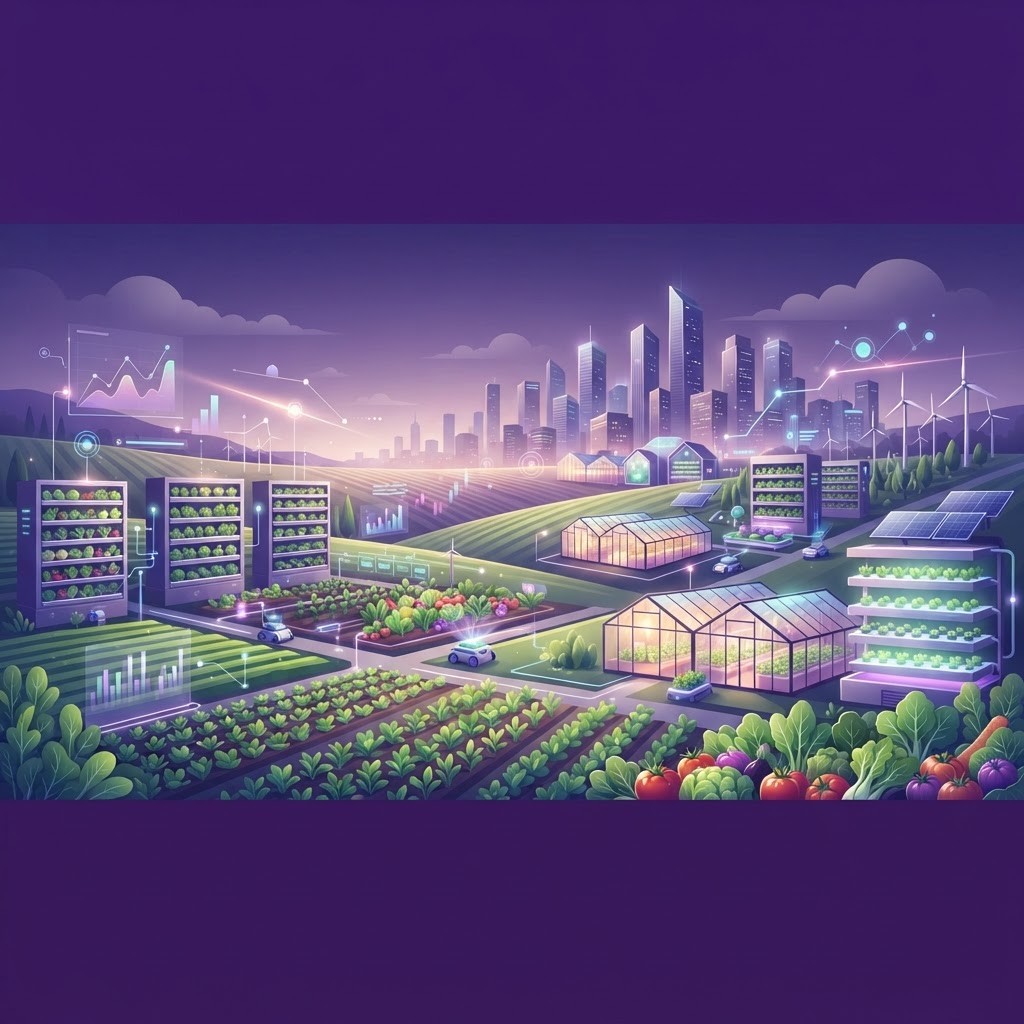
Agriculture in a Metropolitan Landscape
While Los Angeles is best known for its urban sprawl, the region supports a surprisingly vibrant agricultural sector. From urban farms and greenhouse operations to nearby field growers supplying the city's markets, farming companies play an important role in feeding the metropolis and advancing sustainable food production. These operations blend traditional agriculture with modern innovation to thrive in a challenging environment.
The demand for fresh, local, and organic produce has fueled growth among farming companies serving Los Angeles. Restaurants, farmers markets, grocers, and community programs all rely on these growers for high-quality, locally sourced food.
What Defines a Leading Farming Company
Top farming companies distinguish themselves through commitment to quality and sustainability. They employ efficient irrigation, soil management, and pest control practices that protect the environment while producing healthy crops. In water-conscious Southern California, resource efficiency is especially critical.
Reliability and freshness also set the leaders apart. Companies that harvest and deliver quickly, maintain consistent quality, and build strong relationships with buyers earn lasting trust. Many top operations also engage with their communities through education, farmers markets, and local food initiatives.
Ten Leading Farming Companies
Pacific Fresh Farms is recognized for its sustainable produce and strong presence at regional farmers markets. Metro Urban Growers pioneers urban agriculture with rooftop and vertical farming operations. Angel City Organic Farms specializes in certified organic vegetables for restaurants and grocers.
Golden State Produce supplies a wide variety of fruits and vegetables to markets across the region. Harbor Greenhouse Farms uses controlled-environment agriculture to grow year-round. Westside Community Farms combines food production with community education programs.
Valley Harvest Company serves the region with field-grown seasonal crops. Downtown Hydroponics focuses on soilless growing techniques for leafy greens and herbs. SoCal Family Farms represents a network of local growers committed to sustainable practices, while Sunset Agriculture Group integrates traditional and innovative farming methods.
Innovation Driving Modern Farming
Technology is transforming agriculture in and around Los Angeles. Controlled-environment agriculture, including greenhouses and vertical farms, allows year-round production while conserving water and land. Hydroponic and aquaponic systems produce high yields in compact urban spaces, making farming viable even in dense city settings.
Data-driven farming is another advancing frontier. Sensors, automation, and precision agriculture techniques help growers optimize water use, monitor crop health, and increase efficiency. These innovations are especially valuable in a region where water conservation and land constraints demand creative solutions.
Sustainability and Community Impact
Leading farming companies in Los Angeles recognize their responsibility to both the environment and the community. Sustainable practices such as water recycling, renewable energy, composting, and integrated pest management reduce environmental impact while producing healthy food. Many companies also address food access by supporting local markets and community programs.
Urban farms in particular contribute to community well-being by transforming underused spaces into productive gardens, creating jobs, and connecting residents with the sources of their food. This dual focus on sustainability and community strengthens the region's food system and quality of life.
Supporting Local Agriculture
Choosing to source from local farming companies offers numerous benefits, from fresher produce and reduced transportation emissions to stronger local economies. Restaurants, grocers, and consumers who prioritize local growers help sustain the region's agricultural heritage and encourage responsible food production.
The farming companies highlighted here exemplify the innovation, quality, and community commitment that define modern agriculture in Los Angeles. As demand for fresh, sustainable food continues to grow, these operations are helping shape a more resilient and connected regional food system.