
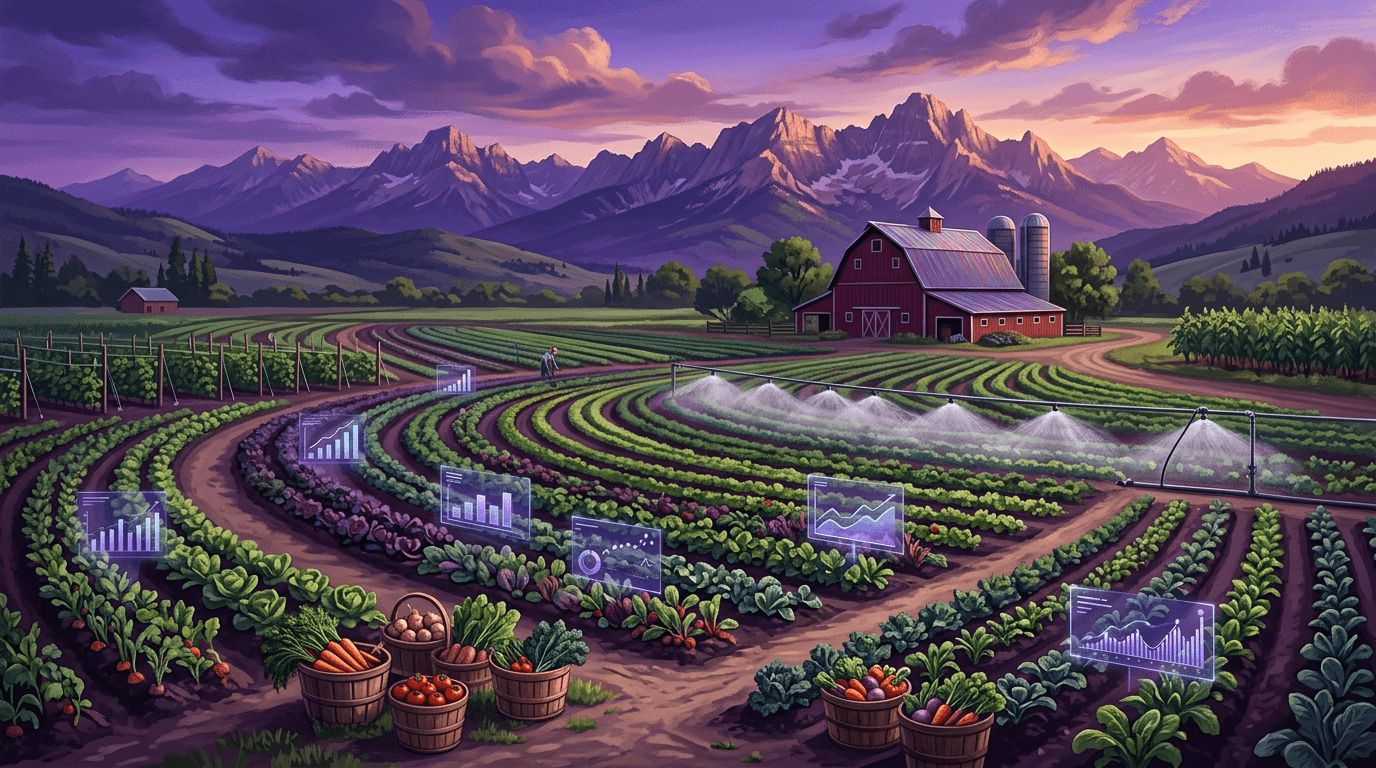
Longmont's Agricultural Heritage
Long before Longmont became known for technology and craft beer, it was an agricultural town. Irrigation ditches fed by the St. Vrain River turned the plains into fertile farmland, and crops like sugar beets, wheat, and vegetables shaped the local economy. That heritage remains alive today through family farms, organic vegetable growers, dairies, and community-supported agriculture programs.
Boulder County's commitment to open space has preserved thousands of acres of farmland, much of it leased to local growers. Residents enjoy fresh produce at the Longmont Farmers Market, farm stands, and through CSA subscriptions. Supporting local farms strengthens the food system and preserves the rural character that makes the area special.
How We Chose These Farms
We considered farming practices, product quality, community involvement, and accessibility to Longmont residents. The list highlights diverse operations, from organic vegetable farms to dairies and fruit growers who sell along the Front Range.
1. Ollin Farms
Ollin Farms is a family-run organic farm in the Longmont area known for its regenerative practices and community focus. It offers a farm stand, CSA shares, and educational events. Its dedication to soil health and biodiversity makes it a model for sustainable agriculture.
2. Aspen Moon Farm
Aspen Moon Farm, located near Longmont, practices biodynamic farming and grows vegetables, herbs, and flowers. Its CSA and farm stand connect residents with seasonal produce grown with care for the land.
3. Kilt Farm
Kilt Farm grows certified organic vegetables in the Longmont area and is a familiar presence at local farmers markets. Its colorful produce and commitment to quality have earned a loyal following among chefs and home cooks.
4. Munson Farms
Munson Farms in Boulder County is famous for its sweet corn, pumpkins, and seasonal vegetables. Its farm stand is a summer tradition for many Longmont families, and its fall pumpkin patch draws visitors from across the region.
5. Cure Organic Farm
Cure Organic Farm in Boulder grows organic vegetables and raises animals using sustainable methods. It supports local restaurants, offers CSA shares, and hosts farm dinners that celebrate seasonal food.
6. Black Cat Farm
Black Cat Farm is a Boulder County farm that supplies vegetables to its acclaimed farm-to-table restaurants. Its integrated approach showcases how local farming and dining can work together.
7. Isabelle Farm
Isabelle Farm in nearby Lafayette grows organic produce on open space land. Its farm stand and market presence offer seasonal vegetables and fruits to Longmont-area residents.
8. Sakata Farms
Sakata Farms in Brighton is a multigenerational family farm known for sweet corn and vegetables. Its long history and high-quality produce make it a respected name in Colorado agriculture.
9. Longmont Dairy Farm
Longmont Dairy Farm has delivered fresh milk and dairy products to Front Range homes for decades. Its glass bottle delivery service is a nostalgic and sustainable tradition that many families cherish.
10. Ela Family Farms
Ela Family Farms grows organic fruit on Colorado's Western Slope and is a regular at Front Range farmers markets, including those serving Longmont. Its peaches, apples, and fruit preserves are customer favorites.
Farming Trends in the Longmont Area
Regenerative agriculture is gaining momentum. Farmers are using cover crops, reduced tillage, and rotational grazing to improve soil health and capture carbon. Water conservation is also critical, as Colorado farms rely on limited irrigation resources.
Direct-to-consumer sales continue to grow through CSAs, farm stands, and online ordering. Agritourism, including farm dinners, pick-your-own events, and educational tours, helps farms diversify income and connect with the community.
How to Support Local Farms
Join a CSA, shop at farmers markets, and visit farm stands during the growing season. Choose restaurants that source locally. Supporting farmland preservation efforts also helps ensure that future generations can enjoy fresh, local food.
Open Space and Farmland Preservation
Boulder County's open space program is one of the most ambitious in the nation, and it has profoundly shaped agriculture around Longmont. The county has acquired or protected large areas of farmland, leasing much of it to local farmers at reasonable rates. This approach keeps land in production, prevents sprawl, and gives new and established farmers access to fertile ground that might otherwise be too expensive.
Many organic and regenerative farms near Longmont operate on open space land. The county supports soil health initiatives, water conservation, and pollinator habitat, helping farmers adopt sustainable practices. This partnership between public land management and private farming enterprise has become a model for other communities.
Residents benefit directly through scenic landscapes, local food access, and educational opportunities. Farm tours and volunteer days invite the public to learn about agriculture firsthand.
Frequently Asked Questions
When does the growing season begin around Longmont? Most farms begin harvesting greens in late spring, with peak abundance from July through September. What is a CSA? Community-supported agriculture lets members purchase a share of a farm's harvest in advance, receiving weekly boxes of seasonal produce while giving farmers reliable early-season income.
Conclusion
Longmont's farming community is diverse, passionate, and deeply rooted in the region's history. From Ollin Farms and Aspen Moon Farm to Longmont Dairy Farm, these ten operations provide fresh food and keep the area's agricultural spirit thriving.